





Sexually transmitted diseases (STDs) are a significant public health concern, and regular testing is essential for early detection and treatment. In Singapore, STD testing is widely available, offering individuals access to confidential and professional healthcare services. Whether you are sexually active, experiencing symptoms, or simply want peace of mind, getting tested is a responsible step towards maintaining your health and protecting your partners.
STD testing involves a series of medical examinations, including blood tests, urine tests, and swabs, to detect infections like chlamydia, gonorrhoea, syphilis, HIV, and more. In this guide, we will explore everything you need to know about STD testing in Singapore, including where to go, costs, and what to expect during the process.
Why is STD Testing Important?
Understanding STDs and Their Impact
Sexually transmitted diseases are infections that spread through sexual contact, including vaginal, oral, and anal sex. Some STDs, such as HIV, can have life-threatening consequences if left untreated, while others like chlamydia and gonorrhoea can lead to infertility and other severe health issues.
Benefits of Early Detection and Treatment
Regular STD testing is crucial because many STDs do not show symptoms in their early stages. By detecting infections early, individuals can receive prompt medical treatment, preventing complications and reducing the risk of transmitting the disease to others.
Key benefits of STD testing include:
- Early detection and treatment to prevent long-term health complications.
- Reducing transmission risks to protect partners.
- Peace of mind for individuals in relationships or engaging in sexual activity.
- Preventing infertility and pregnancy complications caused by untreated STDs.
Ignoring STDs can lead to severe consequences, including chronic pain, reproductive issues, and increased susceptibility to other infections. Testing regularly ensures that you stay in control of your sexual health.
Common STDs in Singapore
Singapore, like many developed countries, experiences cases of various STDs. Here are the most common STDs diagnosed in Singapore:
1. Chlamydia
- Caused by the bacteria Chlamydia trachomatis.
- Often asymptomatic, but can lead to pelvic inflammatory disease (PID) in women and infertility in both sexes if untreated.
- Symptoms include painful urination, abnormal discharge, and pelvic pain.
- Easily treatable with antibiotics if detected early.
2. Gonorrhoea
- A bacterial infection caused by Neisseria gonorrhoeae.
- Can affect the genitals, throat, and rectum.
- Symptoms include burning sensation during urination, pus-like discharge, and pain in the lower abdomen.
- Untreated gonorrhoea can lead to infertility and increase the risk of HIV.
3. Syphilis
- Caused by the bacteria Treponema pallidum.
- Progresses in stages: primary (painless sores), secondary (rashes, flu-like symptoms), latent, and tertiary (organ damage).
- If left untreated, it can cause serious complications, including neurological and cardiovascular damage.
- Can be treated effectively with antibiotics in early stages.
4. HIV/AIDS
- HIV (Human Immunodeficiency Virus) attacks the immune system and can lead to AIDS (Acquired Immunodeficiency Syndrome) if untreated.
- Spread through unprotected sex, blood transfusions, and sharing needles.
- No cure, but antiretroviral therapy (ART) can manage the condition and allow individuals to live a healthy life.
- Regular testing and early detection are crucial.
5. Herpes & HPV (Human Papillomavirus)
- Herpes Simplex Virus (HSV) causes painful blisters or sores around the mouth or genital area. There is no cure, but antiviral medications can help manage outbreaks.
- HPV is a viral infection that can lead to genital warts and certain types of cancer. Vaccination is available to prevent high-risk strains.
Understanding these common STDs highlights the importance of regular testing to prevent transmission and ensure timely treatment.
Who Should Get Tested for STDs?
STD testing is essential for anyone who is sexually active, but certain individuals are at a higher risk and should undergo testing more frequently.
High-Risk Individuals
You should consider getting tested if you:
- Have multiple sexual partners.
- Engage in unprotected sex.
- Are experiencing symptoms like unusual discharge, sores, itching, or pain during urination.
- Have a partner diagnosed with an STD.
- Have a history of STDs.
- Are pregnant (some STDs can affect newborns during childbirth).
Frequency of Testing
The frequency of STD testing depends on individual risk factors:
- Annually for individuals with a single, long-term partner.
- Every 3-6 months for those with multiple partners or engaging in casual sex.
- Immediately if experiencing symptoms or after unprotected sex with a new partner.
Regular screenings are a proactive approach to safeguarding your sexual health.
Where to Get STD Testing in Singapore?
Singapore offers several options for STD testing, ensuring accessibility and confidentiality.
Public Hospitals and Clinics
Public healthcare institutions, such as polyclinics and hospitals, offer STD testing at subsidised rates. However, they may require longer waiting times and doctor referrals for specific tests.
Private Clinics and Specialists
Private sexual health clinics provide discreet and fast STD testing services. They offer same-day appointments and confidential consultations, but costs are generally higher than public healthcare options.
Anonymous HIV Testing Centres
Singapore has designated clinics where individuals can get HIV testing anonymously. These centres ensure confidentiality, and results are often available within the same day.
Online Consultation and Home Test Kits
Some clinics offer online consultations and at-home STD testing kits. These allow individuals to take samples in private and send them to labs for analysis. However, in-person testing is recommended for accuracy.
Choosing the right testing facility depends on personal preferences, budget, and urgency.
What to Expect During an STD Test in Singapore?
If you’re getting tested for STDs for the first time, you might feel anxious about the process. However, STD testing is straightforward, quick, and confidential. Here’s what you can expect:
Step 1: Consultation with a Doctor
- The doctor will ask about your sexual history, symptoms (if any), and risk factors.
- This discussion helps determine which tests you need.
Step 2: Sample Collection
Depending on the type of STD, different tests may be conducted:
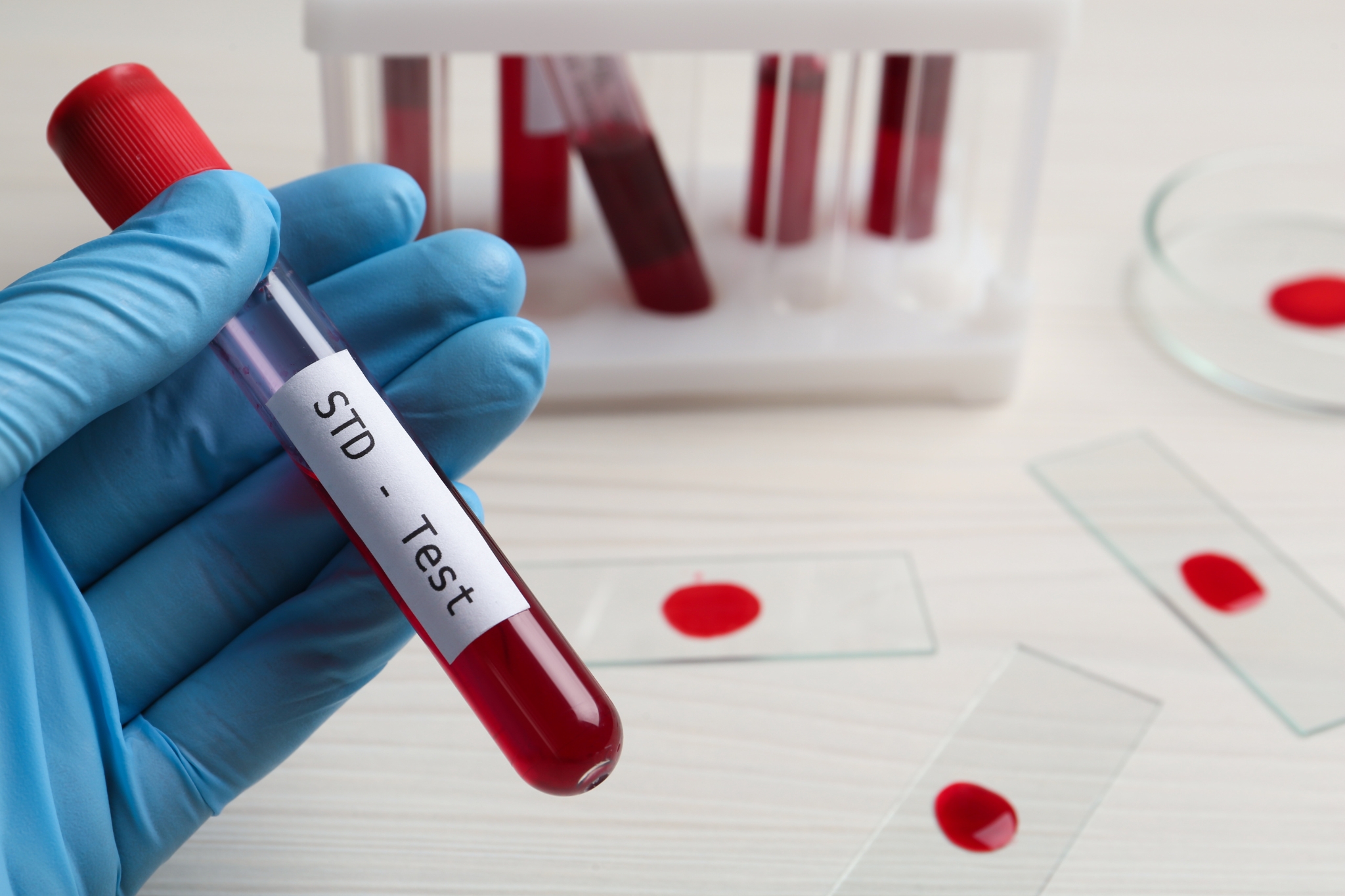
- Blood test – Used for HIV, syphilis, and herpes.
- Urine test – Commonly used for chlamydia and gonorrhoea.
- Swab test – May be required for throat, genital, or anal infections.
- Physical examination – The doctor may check for visible symptoms like genital warts or sores.
Step 3: Waiting for Results
- Some tests provide results within a few hours, while others may take a few days.
- Clinics may offer SMS or email notifications once results are ready.
Step 4: Treatment and Follow-Up
- If your test is positive, the doctor will discuss treatment options, which may include antibiotics or antiviral medication.
- Regular follow-ups may be needed to ensure complete recovery.
The entire process is usually quick and painless, and medical professionals ensure confidentiality at all times.
How Much Does STD Testing Cost in Singapore?
The cost of STD testing varies depending on the type of test, healthcare provider, and whether it is a public or private facility. Below is a general price range for STD tests in Singapore:
| Type of STD Test | Estimated Cost (SGD) | Availability |
| HIV Rapid Test | $30 – $60 | Public & Private Clinics |
| Full STD Panel (Comprehensive) | $250 – $400 | Private Clinics |
| Chlamydia & Gonorrhoea Test | $50 – $120 | Public & Private Clinics |
| Syphilis Test | $30 – $80 | Public & Private Clinics |
| Herpes Test | $80 – $150 | Private Clinics |
| HPV & Genital Warts Test | $100 – $250 | Private Clinics |
Note: Prices may vary depending on the clinic and additional consultation fees.
Public clinics typically offer more affordable rates, while private clinics provide faster results and greater privacy.
Anonymous STD Testing in Singapore
For individuals who prefer complete discretion, Singapore offers anonymous STD testing, especially for HIV. These services allow individuals to get tested without providing personal details such as their name or NRIC.
Where Can You Get Anonymous Testing?
- Action for AIDS (AFA) Clinics – Specialise in confidential HIV testing.
- Private Sexual Health Clinics – Offer full STD screening anonymously.
Anonymous testing provides peace of mind for those who value privacy, reducing the fear of stigma.
Preventing STDs: Tips for Safe Sexual Health
Prevention is always better than cure. Here are key ways to protect yourself from STDs:
1. Use Protection
- Always use condoms and dental dams to reduce the risk of STDs.
- Choose high-quality, properly fitted condoms.
2. Get Vaccinated
- The HPV vaccine helps prevent genital warts and cervical cancer.
- The Hepatitis B vaccine protects against liver infections.
3. Regular Testing
- Get tested frequently if you have multiple partners or engage in unprotected sex.
4. Communicate with Your Partner
- Have open discussions about sexual health before engaging in sexual activity.
- Encourage partners to get tested to ensure mutual safety.
5. Avoid High-Risk Behaviour
- Avoid multiple unprotected encounters with new or casual partners.
- Do not share needles or personal items that may carry infections.
By taking these precautions, you can significantly lower your risk of contracting or spreading STDs.
Conclusion
STD testing in Singapore is easily accessible, confidential, and essential for maintaining sexual health. Whether you visit a public clinic, a private facility, or opt for anonymous testing, regular screenings help detect infections early, prevent complications, and protect both you and your partners.
If you are sexually active, don’t wait for symptoms to appear—get tested today for peace of mind and better health.
Frequently Asked Questions (FAQs)
1. Is STD testing in Singapore confidential?
Yes, all STD testing is strictly confidential, and some clinics offer anonymous HIV testing for additional privacy.
2. How long does it take to get STD test results?
Rapid tests for HIV can provide results within minutes, while other tests may take a few days to process.
3. Can I get tested for STDs at a polyclinic in Singapore?
Yes, polyclinics offer basic STD tests, but they may refer you to a specialist for further screening.
4. How often should I get tested for STDs?
It depends on your sexual activity and risk factors. High-risk individuals should get tested every 3-6 months.
5. Can STDs be cured?
Many bacterial STDs like chlamydia, gonorrhoea, and syphilis can be cured with antibiotics. However, viral infections like HIV and herpes can only be managed, not cured.