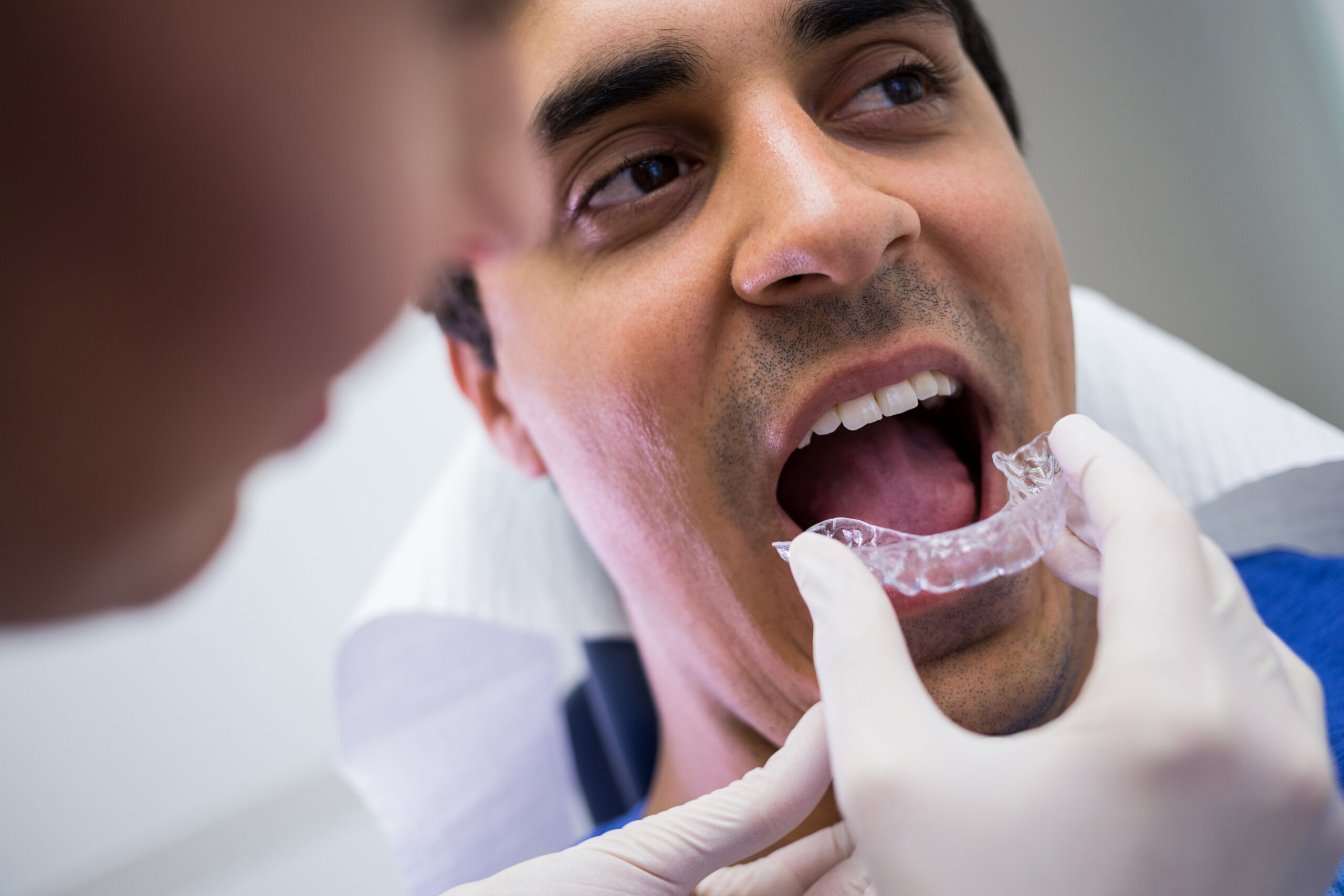







Oral health is influenced by much more than brushing and flossing. Daily habits, emotional well-being, and sleep quality all play important roles in keeping teeth and gums healthy. When stress levels rise or sleep becomes inconsistent, the effects often extend beyond fatigue, increasing the risk of dental problems. Understanding these connections can help you make healthier lifestyle choices that benefit both your mouth and your overall well-being.
How Sleep Supports a Healthy Mouth
Sleep is one of the body’s most important recovery processes. During restful sleep, tissues throughout the body repair themselves, including those inside the mouth. Healthy sleep patterns allow the immune system to function effectively, helping protect the gums and oral tissues from inflammation and infection.
A well-rested body is also better equipped to maintain a balanced oral environment. Saliva production, tissue regeneration, and immune responses all benefit from adequate sleep. These natural defenses help reduce harmful bacteria and support healthy gums.
Poor sleep, on the other hand, can weaken the immune system and increase inflammation throughout the body. This may make it easier for plaque buildup to irritate the gums, increasing the likelihood of gingivitis and other periodontal concerns. People who consistently experience poor sleep may also notice slower healing after routine dental procedures or oral injuries.
In addition, inadequate sleep often contributes to daytime fatigue, making it easier to neglect healthy routines such as brushing, flossing, staying hydrated, and preparing balanced meals. Over time, these small changes can significantly impact oral health.
The Impact of Stress on Teeth and Gums
Stress affects nearly every system in the body, including the mouth. Whether stress is temporary or chronic, it can contribute to several oral health problems that may worsen without proper care.
When the body experiences prolonged stress, it releases hormones that can increase inflammation and suppress immune function. As a result, the gums become more susceptible to irritation, bleeding, and infection. Individuals under chronic stress may also experience slower recovery from dental treatments and greater sensitivity to discomfort.
Teeth Grinding and Jaw Clenching
One of the most common oral effects of stress is unconscious teeth grinding, also known as bruxism. Many people grind or clench their teeth during sleep without realizing it.
Over time, repeated grinding places excessive pressure on the teeth and jaw. This can lead to worn enamel, chipped teeth, jaw soreness, headaches, and discomfort around the temporomandibular joints. Left untreated, severe bruxism may eventually require restorative dental care.
Dry Mouth
Stress may also contribute to dry mouth, either directly or indirectly through certain medications commonly used to manage anxiety or other health conditions. Reduced saliva production limits the mouth’s natural ability to wash away bacteria and neutralize acids.
Without enough saliva, the risk of cavities, bad breath, and gum disease increases. Staying hydrated and discussing persistent dry mouth with a dental professional can help minimize these risks.
How Sleep and Stress Work Together
Sleep and stress often create a cycle that directly influences oral health. Increased stress can make it difficult to fall asleep or stay asleep, while poor sleep may reduce the body’s ability to manage stress effectively.
As this cycle continues, inflammation may increase throughout the body, including the gums. Individuals may also experience more frequent teeth grinding, fatigue-related neglect of oral hygiene, and greater consumption of sugary foods or caffeinated beverages, which may further affect dental health.
Poor sleep and elevated stress can also influence immune responses that protect the mouth from harmful bacteria. When these protective systems become less effective, plaque accumulation may have a greater impact on gum tissues, increasing the likelihood of periodontal disease.
Breaking this cycle often requires attention to both physical and emotional wellness. Improving sleep quality while managing stress supports healthier oral tissues and contributes to better overall health.
Lifestyle Habits That Protect Oral Health
Maintaining healthy daily habits can significantly reduce the effects of stress and poor sleep on the mouth.
Prioritize Consistent Sleep
Establishing a regular sleep schedule allows the body to recover each night properly. Creating a relaxing bedtime routine, reducing stimulating activities before bed, and maintaining a comfortable sleep environment can improve overall sleep quality.
Adults should aim for sufficient sleep each night to support immune function, tissue repair, and overall wellness.
Practice Healthy Stress Management
Managing stress does not eliminate life’s challenges, but it can reduce their impact on physical and oral health. Regular physical activity, mindfulness practices, deep breathing exercises, hobbies, and maintaining social connections can all help lower stress levels.
Reducing stress may also decrease nighttime teeth grinding and jaw clenching, helping preserve tooth enamel and reduce jaw discomfort.
Maintain Excellent Oral Hygiene
Healthy habits remain the foundation of good oral health regardless of stress levels. Brushing twice daily, flossing every day, and attending routine dental examinations help remove plaque before it contributes to gum disease or tooth decay.
Individuals experiencing persistent jaw pain, facial discomfort, impacted teeth, or complex oral conditions may be referred to an oral surgeon in Richmond, Indiana for specialized evaluation and treatment. Following recommended care plans alongside healthy lifestyle habits can support optimal recovery and long-term oral health.
Recognizing Warning Signs Early
Understanding how sleep and stress affect the mouth allows people to recognize problems before they become more serious.
Frequent morning headaches, jaw soreness upon waking, tooth sensitivity, worn tooth surfaces, bleeding gums, or persistent bad breath may all indicate underlying issues connected to stress or inadequate sleep. These symptoms should not be ignored, especially if they continue despite good oral hygiene.
Early intervention often leads to simpler and more effective treatment. Dental professionals can identify signs of grinding, gum disease, enamel wear, or bite problems before they progress into more complex conditions.
In addition to professional dental care, healthcare providers may recommend addressing sleep disorders, chronic stress, or other contributing medical conditions. Taking a comprehensive approach benefits both oral and overall health.
Building Long-Term Habits for a Healthier Smile
Protecting oral health requires attention to more than daily brushing. Long-term wellness depends on recognizing how lifestyle choices influence the mouth over time.
Balanced nutrition, regular physical activity, sufficient hydration, quality sleep, and effective stress management all contribute to stronger teeth and healthier gums. These habits also support immune function and reduce inflammation throughout the body.
Consistency matters more than perfection. Small improvements in sleep routines, healthier coping strategies, and regular dental care often produce lasting benefits that accumulate over time. By viewing oral health as part of overall wellness, individuals can better protect their smiles while improving their quality of life.
Conclusion
Sleep, stress, and oral health are closely connected, each influencing the others in meaningful ways. Poor sleep and chronic stress can contribute to gum disease, teeth grinding, dry mouth, and other dental concerns, while healthy lifestyle habits help protect the mouth and support healing. Prioritizing restful sleep, managing stress effectively, and maintaining consistent oral care can strengthen your smile and promote better overall health for years to come.