

Rosacea is a common skin condition characterized by redness, visible blood vessels, and sometimes acne-like bumps. While it is often thought to be purely a skin issue, emerging research suggests that there may be a deeper connection between gut health and skin conditions, including rosacea. In this blog post, we will explore the symptoms and triggers of rosacea and how gut health may play a role in this complex skin disorder.
Understanding Rosacea: Symptoms and Triggers
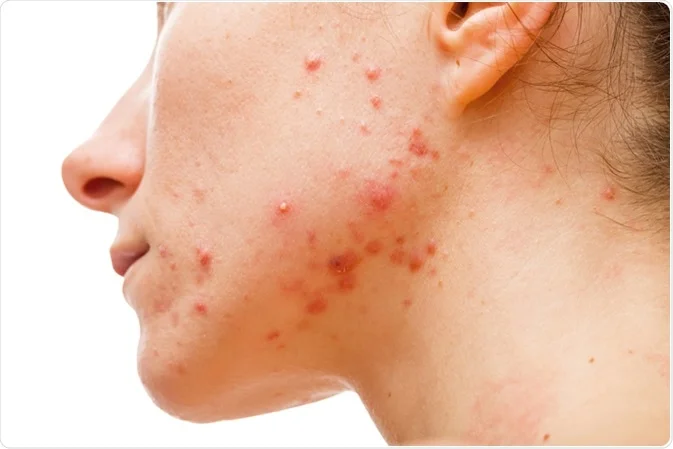
Rosacea typically manifests in several distinct symptoms, including:
- Facial Redness: Persistent redness in the central part of the face is often the first sign of rosacea.
- Visible Blood Vessels: Small blood vessels may become enlarged and visible, giving the skin a flushed appearance.
- Bumps and Pimples: Some individuals experience acne-like bumps, which can be mistaken for traditional acne.
- Thickened Skin: In severe cases, rosacea can cause the skin to thicken, particularly around the nose.
The exact cause of rosacea remains unclear, but several triggers have been identified. Common triggers include spicy foods, hot beverages, alcohol, extreme temperatures, and stress. Interestingly, research has also indicated that digestive issues, such as gut dysbiosis (an imbalance of gut bacteria), may influence the severity and frequency of rosacea flare-ups.
The Gut-Skin Connection: How It May Influence Rosacea
The gut-skin connection is an area of growing interest in dermatology. Recent studies suggest that the health of your gut microbiome—the collection of microorganisms living in your digestive tract—can significantly impact your skin’s health. Here are a few ways in which gut health may influence rosacea:
- Inflammation: An unhealthy gut can lead to systemic inflammation, which may trigger or exacerbate skin conditions like rosacea. When the gut is compromised, it can allow toxins to enter the bloodstream, prompting an inflammatory response that manifests on the skin.
- Nutrient Absorption: The gut plays a crucial role in nutrient absorption. If your digestive system is not functioning optimally, it may lead to deficiencies in essential nutrients that support skin health, such as vitamins A, D, and E, as well as zinc. These deficiencies can weaken the skin barrier and make it more susceptible to irritants and inflammation.
- Dietary Impact: A well-balanced diet is essential for maintaining a healthy gut and skin. Following a rosacea diet that focuses on anti-inflammatory foods—such as fruits, vegetables, whole grains, and healthy fats—can help improve both gut and skin health.
- Probiotics: Some studies suggest that incorporating probiotics into your diet may help improve gut health and reduce inflammation, potentially benefiting those with rosacea. Probiotics can be found in fermented foods like yogurt, kefir, and sauerkraut, or taken as supplements.
For those already dealing with rosacea, topical treatments like azelaic acid 14 percent can provide significant relief by reducing inflammation and promoting a more even skin tone. Additionally, using a gentle face cream for rosacea can help soothe irritated skin and support the healing process.
In conclusion, while rosacea is traditionally viewed as a skin condition, there is compelling evidence suggesting a connection between gut health and rosacea flare-ups. By addressing gut health through diet, probiotics, and appropriate skincare, individuals may find relief from this challenging condition. As always, consulting with a healthcare professional is crucial for personalized advice and treatment options tailored to your unique needs.