





When it comes to bringing your lighting ideas to life—whether it’s a cozy kitchen under-cabinet setup or a dramatic ceiling cove design—one key component often gets overlooked: the LED power supply. We’re usually quick to pick out the perfect strip lights, color temperatures, or dimming features, but without the right power supply, even the best LED lights can flicker, fail, or underperform.
If you’ve ever asked yourself, “What’s the big deal about choosing a power supply?”—you’re not alone. But here’s the thing: selecting the wrong one can shorten your lights’ lifespan, cause overheating, or even pose safety hazards.
Let’s break it down and explore how you can choose the right LED Power Supply for your lighting project, ensuring your setup is not only bright but also safe and efficient.
What Exactly is an LED Power Supply?
First things first: what are we even talking about?
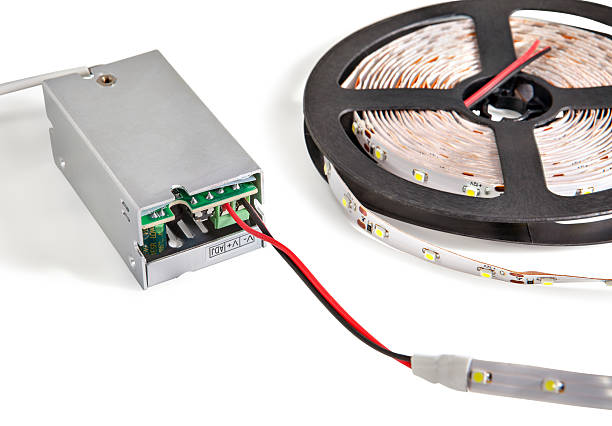
An LED Power Supply, also known as an LED driver, is a device that provides the correct amount of electricity to your LED lights. Unlike traditional bulbs, LEDs require a constant low-voltage current, typically 12V or 24V DC. Your home’s outlets supply 120V or 240V AC (alternating current), and plugging LEDs directly into that? Bad idea.
The power supply converts that high-voltage AC to low-voltage DC, tailored to your specific lighting needs. Without it, your LEDs might burn out instantly or not work at all.
Step-by-Step Guide to Choosing the Right LED Power Supply
1. Know Your LED Voltage and Current Requirements
This is where it all starts. Check your LED strip or light fixture’s specifications. Most LED strip lights run on 12V or 24V DC. It’s critical that your power supply matches this voltage exactly—not close enough, not a little higher, but exact. Using a 24V power supply with a 12V LED strip can literally fry your lights.
Also, check the current or wattage requirement. Your power supply must be able to handle the total wattage of your LEDs.
Pro Tip: Always leave some breathing room. If your total LED load is 40 watts, choose a power supply rated for at least 50 watts—about 20–25% more than you need.
2. Choose Between Constant Voltage and Constant Current
Not all LED lighting runs the same way.
- Constant Voltage (CV)power supplies are the most common for LED strips, cabinet lighting, and signage. You supply a consistent 12V or 24V, and the LEDs have built-in resistors to handle the rest.
- Constant Current (CC)supplies are used for certain LED modules or high-power LEDs that require a specific current (measured in mA). These are more typical in commercial setups.
If you’re working with standard strip lighting, chances are you need Constant Voltage.
3. Figure Out the Wattage You Need
Let’s do a quick calculation. Suppose your LED strip uses 5 watts per meter, and you’re using 6 meters:
5 watts x 6 meters = 30 watts total
Add 20–25% headroom:
30 watts x 1.25 = 37.5 watts
So, you’d need at least a 40-watt power supply to safely run your lights. Skimping here can overwork the driver, reducing its lifespan and possibly causing flickering.
4. Check the Environment: Indoor or Outdoor?
Not all power supplies are built the same. If you’re planning to install lights outdoors or in damp locations (like bathrooms or kitchens), go for a weatherproof power supply, ideally with an IP65 or higher rating. These are sealed to prevent water or dust damage.
For indoor, dry locations, a standard unit will do just fine. But even then, ventilation matters. Don’t stick your power supply behind a wall or in a cabinet with no airflow—it needs room to breathe.
Dimmability: Do You Need It?
Not all LED Power Supplies support dimming. If you plan on using a dimmer switch (and let’s be honest, dimmable lighting is awesome), make sure your power supply is compatible with dimmers.
There are three common types of dimmable LED power supplies:
TRIAC Dimmable: Works with traditional wall dimmers (like you’d use with incandescent lights)
0-10V Dimmable: Common in commercial applications
PWM Dimmable: Works via Pulse Width Modulation, often used with smart systems or controllers
Make sure the dimmer and the driver are on speaking terms—compatibility matters.
Certifications and Safety Ratings
You want to make sure your power supply is safe and reliable. Look for certifications like UL, CE, RoHS, or FCC. These show the product has been tested for safety, electrical interference, and efficiency.
Cheap, uncertified power supplies might save you a few bucks up front, but they can overheat, fail early, or even be dangerous. It’s worth investing in quality here.
Physical Size and Mounting
Lastly, think about where you’ll install it. Some power supplies are compact and easy to tuck behind furniture or under cabinets. Others are bulky and may require surface mounting. Always double-check the dimensions and ensure you have space, especially for enclosed areas.
Common Mistakes to Avoid
Let’s take a quick look at some missteps you’ll want to avoid:
Mixing voltages (e.g., 12V lights with 24V power supply)
Overloading the driver by not calculating total wattage
Underrating the headroom, which can cause overheating
Using indoor drivers in damp outdoor spaces
Skipping certifications and opting for cheap, risky products
Avoiding these can save you time, money, and a lot of headaches.
FAQs About Choosing an LED Power Supply
1. What happens if I use the wrong voltage power supply?
Using the wrong voltage can damage your LEDs. If the power supply voltage is too high, it can burn out your lights. Too low, and the LEDs won’t work at all.
2. Can I use one power supply for multiple LED strips?
Yes, as long as the voltage matches and the total wattage is within the power supply’s limits. Just be sure to calculate correctly and factor in extra headroom.
3. What’s the difference between 12V and 24V LED strips?
24V strips generally allow for longer runs with less voltage drop, meaning more consistent brightness along the strip. Both work well; it just depends on your layout and needs.
4. How do I know if a power supply is waterproof?
Check the IP rating. For outdoor use, look for IP65, IP67, or IP68. These are sealed against dust and water ingress.
5. Should I buy a dimmable power supply even if I’m not using a dimmer now?
If you think you might want dimming in the future, it’s a smart move. But note that dimmable supplies tend to cost more, so it’s really about future-proofing your setup.
Final Thoughts
Choosing the right LED Power Supply might not be the flashiest part of your lighting project, but it’s definitely one of the most important. Get it wrong, and you could be dealing with flickering, premature burnout, or even safety hazards. Get it right, and your lights will perform beautifully and reliably for years.Take time to understand your lighting setup—voltage, wattage, location, and whether you need dimming or not. And always go for quality products with certifications to back them up.Your lighting project deserves to shine at its best, and a dependable LED Power Supply is what makes that possible.