





Introduction
Nuclear medicine is a rapidly evolving field that is revolutionizing the way diseases are diagnosed and treated. By using radioactive substances (radiopharmaceuticals) to visualize and target biological processes within the body, nuclear medicine enables precise imaging and therapy that was once unimaginable. With technological advancements, novel radiopharmaceuticals, and expanding applications in oncology, cardiology, neurology, and other specialties, nuclear medicine is shaping the future of healthcare. The Nuclear Medicine market is estimated to reach a valuation of US$31 Bn by the year 2031, at a CAGR of 11.2%, during the forecast period 2024 to 2031 as per report published by Persistence Market Research.
This article explores the most recent innovations in nuclear medicine, highlighting the transformative impact on diagnostics, treatment, and patient outcomes.
The Role of Nuclear Medicine in Modern Healthcare
Nuclear medicine plays a dual role in healthcare: diagnostics and therapy. Unlike conventional imaging techniques like X-rays or MRIs, nuclear medicine provides functional imaging by tracing how tissues and organs are working at a molecular level. This functional insight allows for early detection of diseases, monitoring of treatment efficacy, and personalized therapeutic approaches.
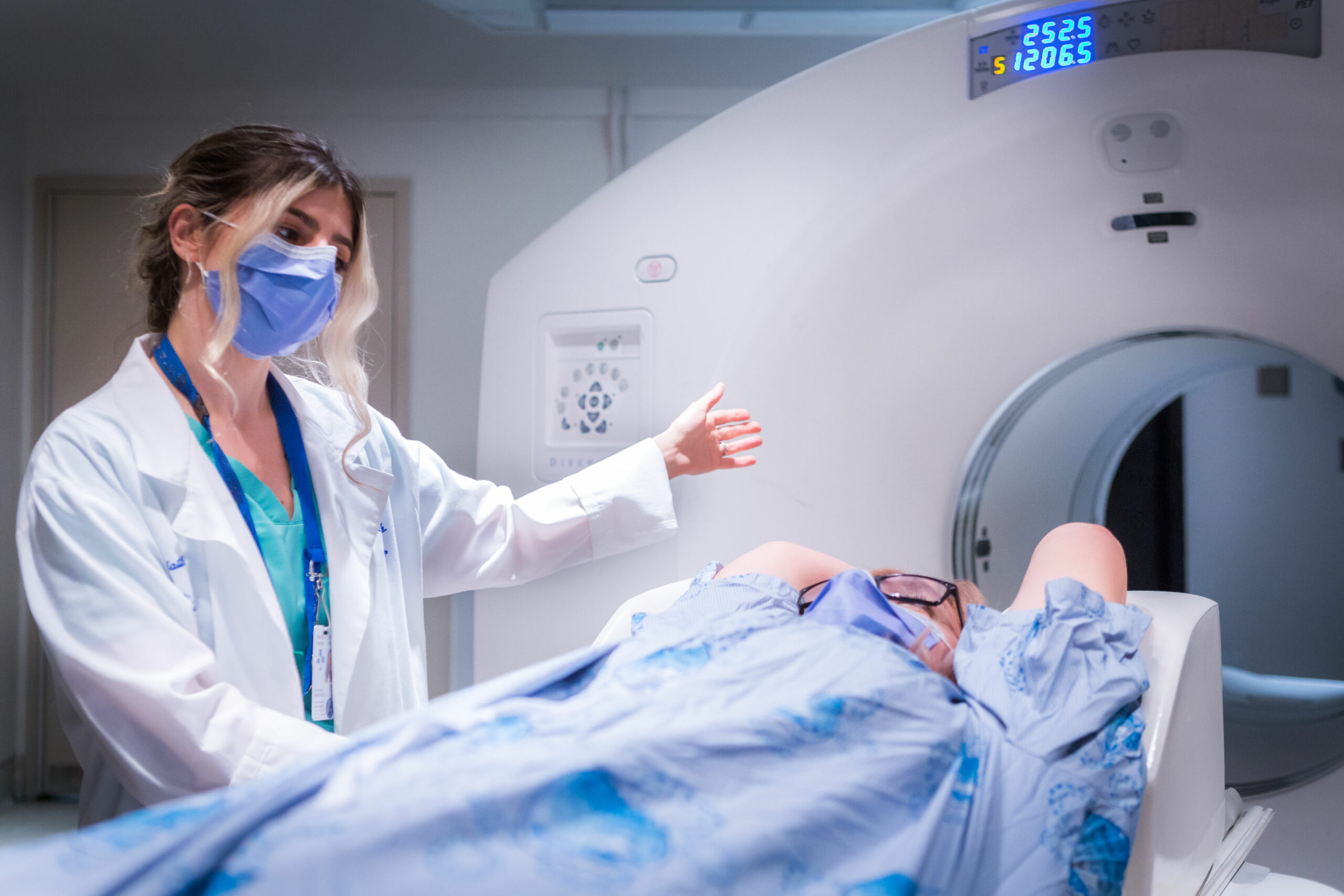
- Diagnostics: In diagnostics, nuclear medicine is primarily used in Positron Emission Tomography (PET) and Single Photon Emission Computed Tomography (SPECT) scans, which enable detailed imaging of metabolic and biochemical processes. These technologies are especially useful in oncology for detecting cancer, cardiology for assessing heart disease, and neurology for diagnosing disorders like Alzheimer’s disease.
- Therapeutics: On the therapeutic front, nuclear medicine utilizes targeted radiotherapy, where radiopharmaceuticals deliver radiation directly to diseased tissues, such as cancer cells, minimizing damage to surrounding healthy tissue. This precise targeting makes nuclear medicine therapies more effective and less harmful than traditional treatments like chemotherapy or external beam radiation.
Key Innovations Driving Nuclear Medicine
The field of nuclear medicine is being transformed by several technological and scientific advancements, leading to better diagnostic capabilities and more effective treatments. Below are some of the most groundbreaking innovations shaping the future of nuclear medicine.
- Next-Generation Radiopharmaceuticals: The development of novel radiopharmaceuticals is at the forefront of nuclear medicine innovation. New compounds, such as radiolabeled monoclonal antibodies and peptides, are being designed to target specific receptors or proteins associated with certain diseases. This advancement enables more precise diagnosis and personalized treatment plans. For example, radiopharmaceuticals targeting the prostate-specific membrane antigen (PSMA) are revolutionizing the treatment of prostate cancer.
- Theranostics: Theranostics is a rapidly growing field within nuclear medicine that combines therapy and diagnostics into a single approach. By using the same or similar radiopharmaceuticals for both imaging and treatment, theranostics allows clinicians to tailor therapy to the specific characteristics of a patient’s disease. This approach is particularly impactful in cancer treatment, as it enables real-time monitoring of how tumors respond to therapy, improving outcomes and minimizing side effects.
- Advanced Imaging Techniques: Innovations in imaging technology are enhancing the precision and clarity of nuclear medicine scans. The introduction of hybrid imaging systems, such as PET/CT and PET/MRI, combines the metabolic insights of PET with the anatomical detail of CT or MRI, providing a comprehensive view of disease progression. Additionally, advancements in image reconstruction algorithms and machine learning are improving the resolution of images, enabling earlier and more accurate diagnosis.
- Alpha-Particle Therapy: Traditional radiation therapies often use beta particles for treatment, but there has been growing interest in alpha-particle therapy due to its high potency. Alpha particles have a much shorter range than beta particles but deliver more energy, making them particularly effective in killing cancer cells while sparing surrounding healthy tissues. The recent approval of alpha-emitting radiopharmaceuticals like Radium-223 for prostate cancer treatment is a significant milestone in this area.
- Targeted Radionuclide Therapy (TRT): TRT is another promising innovation that leverages radiopharmaceuticals to selectively target and destroy cancer cells. In TRT, isotopes like Lutetium-177 or Yttrium-90 are used to deliver radiation directly to tumors. These therapies are increasingly being used in conditions like neuroendocrine tumors, lymphoma, and liver cancer. With ongoing research and clinical trials, TRT is poised to become a mainstay in cancer treatment.
The Role of AI and Machine Learning in Nuclear Medicine
Artificial intelligence (AI) and machine learning (ML) are beginning to play pivotal roles in the advancement of nuclear medicine, particularly in imaging and diagnostics.
- Image Reconstruction and Enhancement: AI algorithms are improving the quality of nuclear medicine images by reducing noise and enhancing resolution. This results in clearer, more detailed images, allowing for earlier and more accurate diagnosis. AI-driven reconstruction techniques can also significantly reduce the time required for image processing and lower radiation doses to patients without compromising image quality.
- Automated Image Analysis: Machine learning algorithms are being developed to automatically analyze nuclear medicine images, helping radiologists and nuclear medicine physicians detect patterns and abnormalities that might be missed by the human eye. These systems can assist in identifying early signs of cancer, cardiovascular disease, or neurological disorders, facilitating earlier intervention and better patient outcomes.
- Predictive Analytics in Treatment: AI is also being applied to predict how patients will respond to specific radiopharmaceutical therapies based on their imaging data. This predictive capability allows for personalized treatment plans, optimizing the type and dose of radiopharmaceuticals to maximize effectiveness while minimizing side effects.
Expanding Applications of Nuclear Medicine
While nuclear medicine has long been a staple in oncology, its applications are expanding across various medical disciplines, further showcasing its versatility and potential.
- Oncology: The primary application of nuclear medicine has been in cancer diagnosis and treatment. Radiopharmaceuticals are used to detect tumors, monitor treatment responses, and deliver targeted therapies. Recent innovations, such as PSMA-targeted therapies for prostate cancer and peptide receptor radionuclide therapy (PRRT) for neuroendocrine tumors, are transforming cancer care by providing more effective, less invasive treatment options.
- Cardiology: Nuclear medicine is playing an increasingly important role in cardiology, particularly in assessing coronary artery disease, heart failure, and myocardial viability. PET and SPECT imaging can provide detailed information about blood flow, heart function, and the extent of heart damage after a heart attack. Innovations in cardiac-specific radiopharmaceuticals are enabling more precise diagnosis and treatment planning for cardiovascular diseases.
- Neurology: The rise in neurodegenerative diseases, such as Alzheimer’s and Parkinson’s disease, has led to growing interest in nuclear medicine’s role in neurology. PET imaging, using tracers like fluorodeoxyglucose (FDG), helps to detect abnormal brain activity and monitor the progression of neurological disorders. The development of new radiopharmaceuticals targeting amyloid plaques and tau tangles is advancing the early diagnosis of Alzheimer’s disease, offering hope for better treatment options in the future.
- Infectious Diseases: Nuclear medicine is increasingly being used to diagnose and monitor infectious diseases, such as tuberculosis and osteomyelitis. Radiopharmaceuticals that target bacterial infections allow for the precise localization of infection sites, improving treatment outcomes and reducing the risk of unnecessary surgeries.
Regulatory and Safety Considerations
As nuclear medicine continues to evolve, regulatory bodies such as the U.S. Food and Drug Administration (FDA) and the European Medicines Agency (EMA) play a crucial role in ensuring the safety and efficacy of radiopharmaceuticals and imaging devices. Recent approvals of innovative therapies, such as Lutetium-177 DOTATATE for neuroendocrine tumors and Radium-223 for metastatic prostate cancer, demonstrate the regulatory commitment to advancing nuclear medicine.
However, with the growing use of radioactive materials, safety concerns remain a priority. Manufacturers, healthcare providers, and regulatory authorities are focused on ensuring that radiation exposure to patients and healthcare personnel is minimized. Innovations such as reduced-dose imaging protocols and advanced shielding technologies are helping to address these concerns.
Future Outlook of Nuclear Medicine
The future of nuclear medicine is incredibly promising, with ongoing research and development expected to further expand its applications and improve patient care. Key areas of focus include:
- Personalized Medicine: As precision medicine becomes a cornerstone of healthcare, nuclear medicine will play an increasingly critical role in providing tailored diagnostic and therapeutic solutions based on individual patient profiles.
- New Radiopharmaceuticals: The development of novel radiopharmaceuticals targeting a broader range of diseases will continue to expand the scope of nuclear medicine, offering new treatment options for conditions beyond cancer, such as autoimmune disorders and chronic infections.
- Global Access: As nuclear medicine technologies become more widely available, particularly in developing regions, the global healthcare landscape will benefit from improved diagnostics and treatment outcomes.
Conclusion
Innovations in nuclear medicine are reshaping the future of diagnostics and treatment, offering unprecedented opportunities to improve patient outcomes across a range of medical conditions. From next-generation radiopharmaceuticals to AI-driven imaging and advanced targeted therapies, nuclear medicine is at the forefront of precision healthcare. As the field continues to evolve, it holds the potential to transform how we diagnose, treat, and manage diseases, marking a new era in personalized and effective patient care.
Follow Us: LinkedIn | Medium | Twitter