






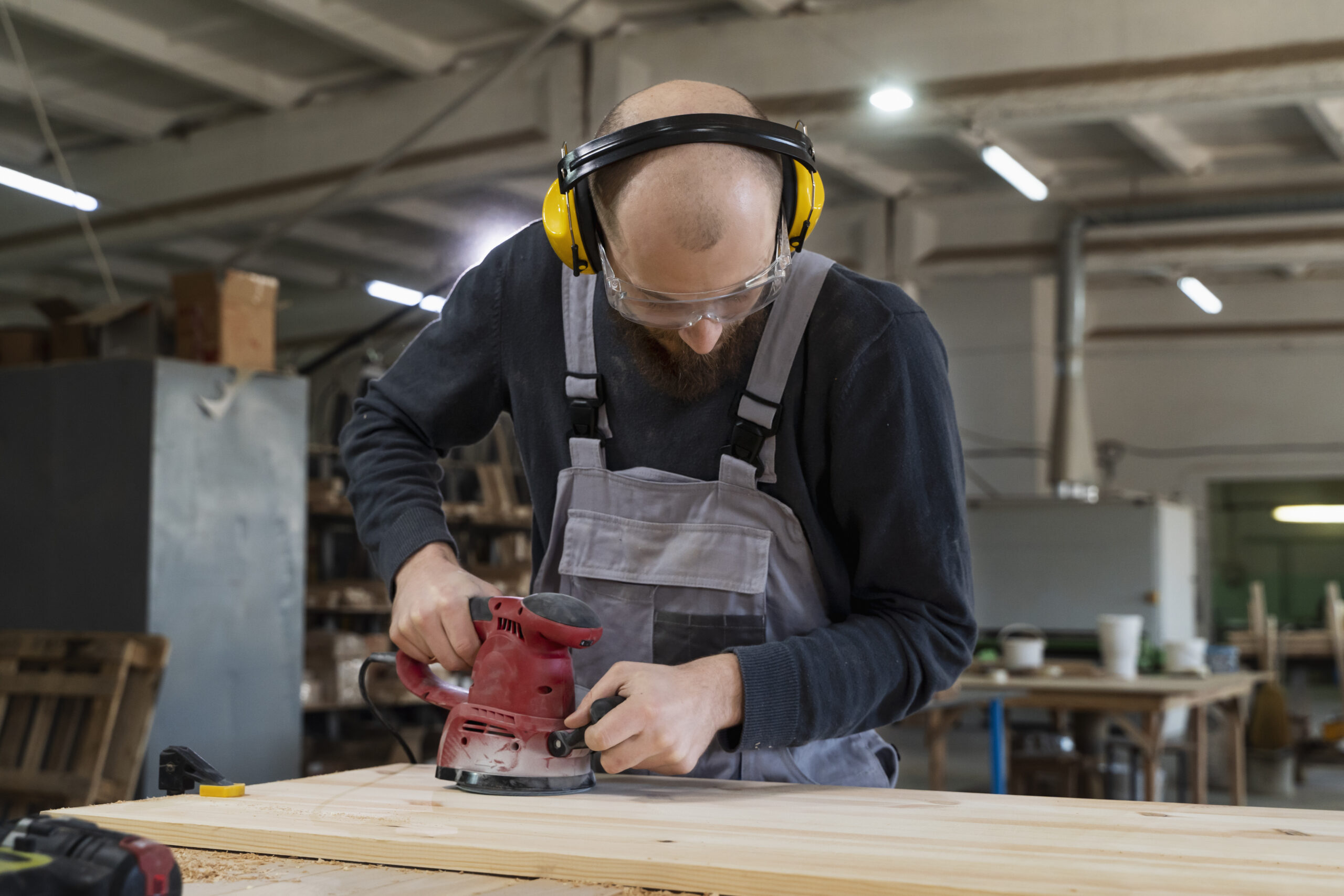
Woodworking is a deeply satisfying trade and creative pursuit. Whether you are crafting bespoke furniture, turning wooden bowls, or making home repairs, working with natural timber offers a unique blend of artistry and hands-on labor. However, a woodworking workshop also presents a wide variety of physical hazards. High-speed spinning blades, airborne particulate matter, heavy raw materials, and volatile finishing chemicals create an environment where safety must always take priority over speed.
Establishing a rigorous culture of safety in your shop not only prevents severe injuries but directly improves the precision and quality of your work. When you operate in an environment designed for safety, you work with greater control, focus, and confidence. Below are the essential safety practices every woodworker—from weekend hobbyist to seasoned professional—should put into practice.
1. Personal Protective Equipment (PPE)
Personal protective equipment is your primary defense against workshop accidents. Even if a job requires only a single quick cut on the table saw, putting on appropriate safety gear should be an automatic habit.
- Eye Protection: High-velocity chips, broken blade teeth, and stray wood splinters can cause severe injury in a fraction of a second. Always wear ANSI Z87.1-rated safety glasses or a full-face shield during cutting, shaping, and grinding operations.
- Hearing Protection: Machinery like planers, routers, and jointers frequently exceed safe noise levels. Prolonged exposure causes permanent, cumulative hearing loss. Keep quality ear Defenders or foam earplugs readily available at every station.
- Respiratory Gear: Wood dust—especially from hardwoods, MDF, and exotic species—contains toxins, allergens, and microscopic irritants. Simple dust masks only trap large particles, so opt for tight-fitting respirators equipped with P100 filters to safeguard your lungs against microscopic dust.
- Proper Attire: Avoid loose-fitting sleeves, dangling hoodie strings, or jewelry that could catch in rotating arbors. Long hair should always be tied back securely. Interestingly, gloves should generally be avoided when operating rotating machinery like drill presses or jointers, as the fabric can snag and pull your hands directly into moving parts.
2. Managing Air Quality and Dust Control
Sawdust is far more than a nuisance that coats your workbenches; it represents a major respiratory threat and a potential fire hazard. Fine wood particles suspended in the air can penetrate deep into lung tissue, causing chronic health issues over time.
To control particulate matter at its source, professional workshops and dedicated home setups rely on an industrial dust collection system designed to capture fine dust directly at the machine port before it contaminates the shop air. Pairing dedicated source-capture extraction with ceiling-mounted ambient air scrubbers helps maintain safe air quality levels throughout your space. Additionally, cleaning up with a HEPA vacuum rather than a push broom prevents settled dust from recirculating into the air you breathe.
3. Tool Operation and Machine Safety
Understanding how machine forces act on wood is critical to preventing common workshop mishaps such as kickback and accidental blade contact.
- Utilize Push Blocks and Featherboards: Keep your hands far away from active cutting zones. Use push sticks, push blocks, and featherboards to apply firm, consistent pressure against machine fences while keeping your fingers clear.
- Avoid the Kickback Zone: Kickback occurs when a workpiece binds against a blade or fence and is launched violently back toward the operator. Position your body slightly to the side of the cut line rather than standing directly behind stock being fed through a saw.
- Maintain Sharp Cutting Tools: Dull blades and chisels require excessive force to push through material, drastically increasing the likelihood of slipping or binding. Keep blades clean of pitch resin and sharpen or replace them promptly.
- Disconnect Power During Adjustments: Whenever you change blades, alter cutter heights, or clear jammed offcuts, always unplug the tool or lock out its power switch.
4. Workshop Layout and Fire Safety
An organized workspace is inherently safer. Cluttered floors covered in offcuts, extension cords, and debris create tripping hazards that can cause dangerous falls near operating equipment.
Keep main walkways clear and organize power cables so they do not cross traffic paths. Store flammable liquids, such as solvent stains, lacquers, and varnishes, in dedicated fire-rated storage cabinets. Furthermore, pay special attention to oil-soaked rags; finishes containing linseed or vegetable oils generate heat as they cure and can spontaneously combust if left crumpled in a pile. Always lay oily rags flat to dry outdoors on non-flammable surfaces or submerge them completely in a water-filled metal bucket before disposal.
Conclusion
Building a safe woodworking shop is an ongoing commitment, not a one-time project. By consistently wearing appropriate PPE, maintaining clean shop air, respecting power machinery, and keeping a clean workspace, you ensure that every project is completed safely and efficiently. Protect your eyes, ears, lungs, and hands so you can continue crafting beautiful projects for years to come.