

Gutters are one of the most important – yet often overlooked – features of a building. Their primary function is to channel rainwater safely away from the structure, preventing damage to the roof, walls, and foundation. However, like any system exposed to the elements, gutters need regular cleaning to remain effective.
There are several methods for cleaning gutters, each with its own tools, techniques, pros, and cons. The right approach often depends on the height of the building, the amount of debris, budget, and whether the cleaning is being done by a professional or homeowner.
In this blog, we’ll take a detailed look at the most common gutter cleaning methods, outlining the step-by-step process for each, and helping you understand which might be best for your property.
1. Manual Gutter Cleaning by Hand
Overview:
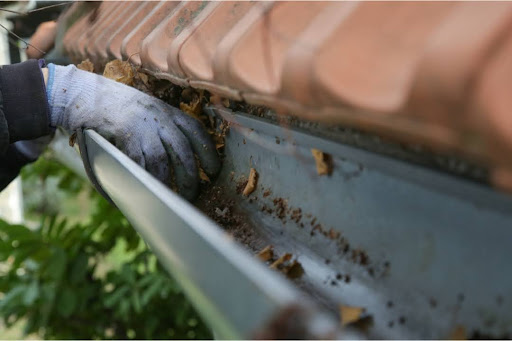
Manual cleaning is the traditional and most straightforward method. It involves physically removing debris from the gutter by hand, often using basic tools like gloves, a trowel, and a bucket.
Process:
- Set up a ladder securely on stable ground.
- Wear gloves to protect your hands from sharp debris, insects, and bacteria.
- Use a scoop or small trowel to lift out debris like leaves, twigs, moss, and dirt.
- Place the debris in a bucket or drop cloth below to keep the area tidy.
- Flush the gutter with a garden hose to ensure it’s clear and draining properly.
- Inspect joints and brackets for any signs of wear, damage, or leaks.
- Repeat the process along the full length of the gutter and around corners.
Pros:
- Inexpensive
- No special equipment needed
- Good for small, low buildings
Cons:
- Time-consuming
- Requires working at height (risk of falls)
- Difficult to reach over conservatories or extensions
2. Gutter Cleaning with a Garden Hose or Pressure Washer
Overview:
Using a hose or pressure washer can help flush out debris and clean away fine silt or moss residue. This method is best when gutters are only partially blocked.
Process:
- Position the ladder for safe access to the gutters.
- Attach a spray nozzle or telescopic wand to your hose or pressure washer.
- Begin at the downpipe end and spray toward the opposite end, forcing debris out.
- Use high pressure sparingly, especially on older guttering, to avoid damage.
- Check downpipes for blockages—if water isn’t draining, you may need to rod or disassemble them.
- Rinse gutters thoroughly and inspect water flow.
Pros:
- Effective at cleaning fine debris and sediment
- Fast, especially on long runs of gutter
- Good as a follow-up to manual cleaning
Cons:
- Can be messy (splashes on walls/windows)
- Pressure can damage seals or paint
- Still requires ladder access
3. Gutter Cleaning with Vacuum Systems (Gutter Vacs)
Overview:
One of the safest and most modern methods, gutter vacuum systems use powerful suction and telescopic poles to clean gutters from the ground—no ladders needed.
Process:
- Set up the gutter vacuum system, including suction unit and extendable poles.
- Attach an inspection camera if the system has one to monitor the cleaning process.
- Feed the suction pole up to the gutter, guiding it along the length while vacuuming.
- Vacuum removes all debris—including wet moss, leaves, and sludge—into a drum or container.
- Review footage from the camera to confirm the gutter is fully cleared.
- Move the system along the property and repeat until complete.
- Dispose of collected debris responsibly.
Pros:
- No working at height = significantly safer
- Access hard-to-reach gutters (over conservatories, 3+ storeys)
- Fast and tidy process
- Ideal for both domestic and commercial buildings
Cons:
- Requires specialist equipment
- Upfront investment or need to hire a professional
4. Robotic Gutter Cleaning
Overview:
A more recent innovation, gutter cleaning robots are small motorised devices that move along gutters, scooping and brushing debris out as they go.
Process:
- Place the robot into the gutter from a ladder or roof access point.
- Use a remote control to guide it through the gutter run.
- Brushes and augers inside the robot dislodge and remove debris.
- Some models eject debris outward, while others collect it for later disposal.
- Retrieve and clean the robot after the job is done.
Pros:
- Reduces manual labour
- A fun option for gadget lovers
- Some models suitable for narrow or metal gutters
Cons:
- Not as efficient as vacuum systems
- May not clean thoroughly (struggles with wet, heavy debris)
- Still requires ladder access to insert/remove
5. Roof-Based Cleaning with Leaf Blowers
Overview:
In some cases, a powerful leaf blower can be used to clear dry debris from gutters, especially on bungalows or gently sloped roofs.
Process:
- Access the roof safely, ideally with fall protection gear.
- Use a backpack or handheld leaf blower with a nozzle attachment.
- Blow along the gutter line, pushing leaves and debris out.
- Sweep up expelled material from the ground afterward.
- Rinse with a hose to remove remaining fine debris.
Pros:
- Fast for long, low roofs
- Effective when debris is dry and loose
Cons:
- Very messy
- Ineffective on wet, compacted debris
- Unsafe for use on pitched or wet roofs
Choosing the Right Gutter Cleaning Method
Every method has its place, and the right one depends on:
- Building height and access – Vacuum systems shine on tall or awkward buildings.
- Amount and type of debris – Wet sludge requires stronger removal tools than dry leaves.
- Budget – Manual cleaning is cheaper, but vacuum cleaning is safer and faster.
- Frequency of maintenance – Regular cleans may only require light flushing or blowing.
For residential homes, a combination of manual cleaning and hose flushing may suffice. For larger properties or commercial buildings, vacuum systems offer a fast, safe, and efficient option—especially when used as part of a planned maintenance schedule.
Final Thoughts
Cleaning your gutters isn’t just about aesthetics—it’s about protecting your property. Whether you do it yourself or hire a professional, understanding the different methods of gutter cleaning helps ensure your choice is safe, effective, and appropriate for the job.
From old-fashioned scooping to cutting-edge vacuums and robots, there’s a solution for every property. What matters most is that the gutters get cleaned before blockages cause real damage.