


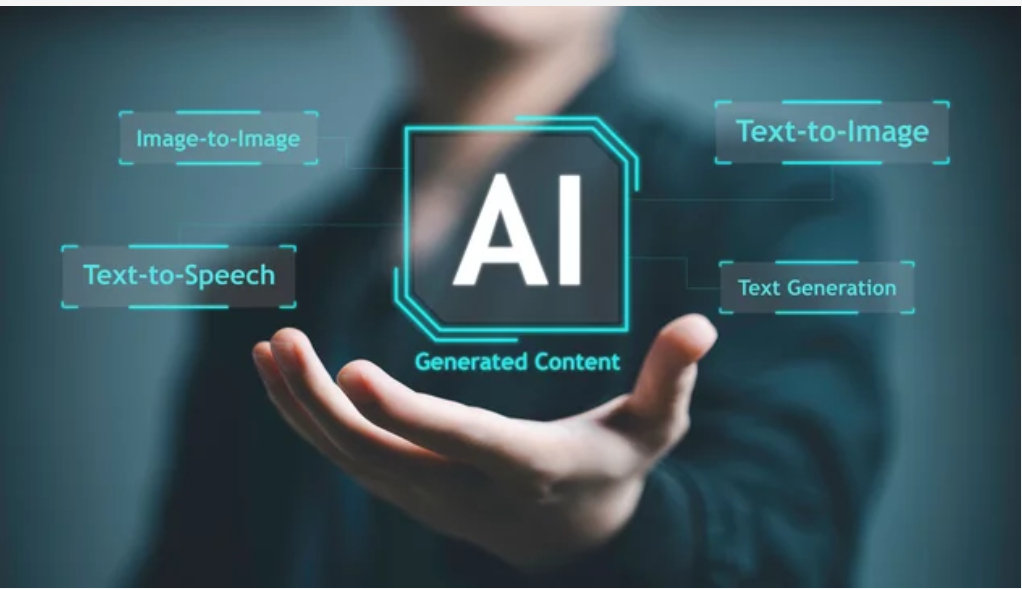
In the digital age, content creation is evolving at a rapid pace. Among the latest advancements, text-to-video technology stands out as a game-changer. This innovative approach allows creators to transform written scripts into dynamic videos effortlessly. As the demand for video content grows, understanding the capabilities and potential of text-to-video generators becomes essential. This article explores how text-to-video technology is revolutionizing storytelling and shaping the future of content creation.
Understanding Text-to-Video Technology
Text-to-video technology leverages artificial intelligence (AI) to convert written text into engaging videos. This process involves analyzing the text, selecting suitable visuals and audio elements, and compiling them into a cohesive video. The result is a captivating visual representation of the written content, enhancing its impact and reach.
How Text-to-Video Generators Work
The core component of this technology is the text-to-video generator. Here’s a breakdown of how these generators work:
Text Analysis: The generator first analyzes the input text to understand its context, tone, and key messages. This involves sophisticated natural language processing (NLP) algorithms.
Content Selection: Based on the analysis, the generator selects relevant visuals, animations, and audio elements that best convey the message.
Synthesis and Editing: The selected elements are then synthesized into a cohesive video. Users can often customize various aspects to ensure the video aligns with their vision.
Rendering and Output: Finally, the generator compiles all elements and renders the video, which can be downloaded or shared directly from the platform.
Benefits of Text-to-Video Technology
Text-to-video technology offers numerous benefits, making it a valuable tool for content creators:
Enhanced Creativity: By turning static text into dynamic videos, creators can explore new ways to tell their stories and engage their audience.
Time and Cost Efficiency: Traditional video production can be time-consuming and expensive. Text-to-video generators significantly reduce production time and costs, making video creation accessible to all.
Increased Engagement: Videos are inherently more engaging than text alone, capturing and retaining the audience’s attention more effectively.
Applications of Text-to-Video Technology
The versatility of text-to-video technology means it has applications across various fields:
Marketing and Advertising: Businesses can quickly produce promotional videos, product demos, and explainer videos to attract and engage customers.
Education and Training: Educators can create interactive and engaging instructional videos, enhancing the learning experience for students.
Entertainment and Media: Media companies can produce animated stories, news segments, and other video content efficiently.
Social Media: Content creators can generate videos optimized for social media platforms, increasing their reach and engagement.
Challenges in Text-to-Video Technology
Despite its many advantages, text-to-video technology does face some challenges:
Technical Limitations: Current AI models may struggle with complex scripts or nuanced language, leading to less accurate or engaging videos.
Creative Constraints: Automated tools might lack the creative flair of human editors, resulting in more generic content.
Quality Issues: Ensuring high-quality video output can be challenging, especially when relying solely on AI-driven processes.
For more information, click here: DeepBrain AI
Future of Text-to-Video Technology
The future of text-to-video technology looks promising, with several advancements on the horizon:
Improved AI Capabilities: As AI continues to evolve, text-to-video generators will become more sophisticated, capable of handling more complex scripts and producing higher-quality videos.
Greater Customization: Future tools will offer more customization options, allowing users to have greater control over the final output.
Broader Adoption: As the technology improves and becomes more accessible, its adoption across various industries will increase, further driving innovation and improvement.
Case Studies
Real-world examples demonstrate the effectiveness of text-to-video generators:
Retail Giant: A major retailer used a text-to-video generator to create personalized video ads, leading to a 20% increase in click-through rates and significant sales growth.
Educational Platform: An online education platform leveraged text-to-video technology to produce interactive course materials, resulting in improved student engagement and retention.
Getting Started with Text-to-Video
Ready to start using text-to-video technology? Here’s how to get started:
Choose a Platform: Select a text-to-video generator that fits your needs and budget.
Prepare Your Script: Write a clear and concise script that conveys your message effectively.
Customize Your Video: Use the platform’s tools to add visuals, animations, and audio elements.
Review and Edit: Ensure the final video aligns with your vision and goals, making necessary adjustments for quality and impact.
Best Practices for Text-to-Video Content
To maximize the effectiveness of your text-to-video content, follow these best practices:
Write Effective Scripts: Focus on clarity, brevity, and storytelling to keep your audience engaged.
Choose Appropriate Visuals: Select visuals that enhance your message and are relevant to the content.
Ensure High-Quality Audio: Use clear and professional voiceovers or background music to improve the overall quality of the video.
Integrating Text-to-Video in Your Strategy
To fully benefit from text-to-video technology, integrate it into your broader content strategy:
Marketing Campaigns: Use videos to complement your marketing efforts, enhancing your message and reaching a wider audience.
Educational Materials: Develop videos that support your educational content, making learning more engaging and effective.
Social Media Strategy: Create videos tailored to different social media platforms, increasing your visibility and engagement.
Common Mistakes to Avoid
Avoid these common pitfalls to ensure your text-to-video projects are successful:
Overloading the Script: Keep your script concise and focused to avoid overwhelming your audience.
Ignoring Visual Quality: Ensure your visuals are high-quality and relevant to the content.
Neglecting Audio: Poor audio can detract from the viewer’s experience, so prioritize high-quality sound.
Conclusion
Text-to-video technology is transforming the way we create and consume content. By leveraging AI, text-to-video generators enable us to turn scripts into engaging videos quickly and efficiently. Whether you’re in marketing, education, entertainment, or social media, these tools can help you connect with your audience in new and exciting ways. Embrace the magic of text-to-video technology and watch your content come to life!