



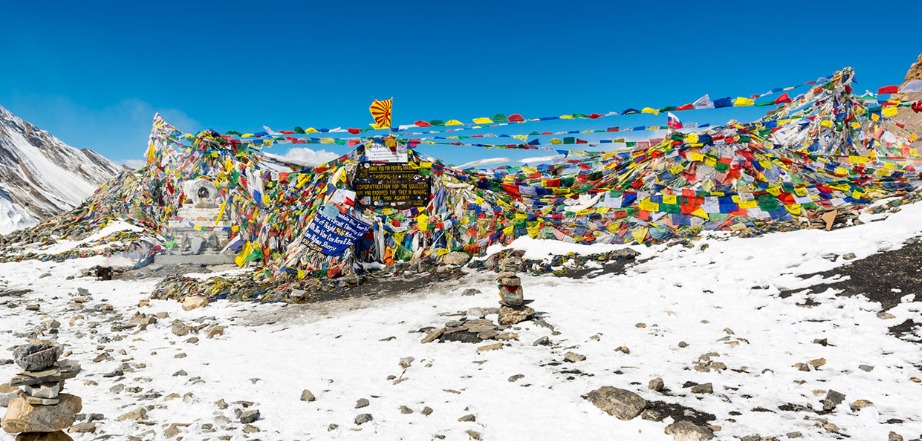
The Himalayas offer some of the most exciting yet demanding experiences. Additionally, the trails you cross steep paths and high mountain passes and visit remote villages—all within a short span of time. At the same time, the weather can shift suddenly with cold temperatures, strong winds, and high altitude, adding to the challenge. Hence, with the right gear, you can stay warm and can move comfortably.
Moreover, it allows you to handle the physical demands of the ourney much better. However, every trip doesn’t require the same packing list. Thus, what you carry on a long trek will be quite different from what you need for peak climbing or a quick helicopter tour. It is important to plan your gear based on the type of adventure you choose.
Why Packing Matters In The Himalayas?
The mountains have harsh and rapidly changing conditions. Thus, proper preparation is very important whether you are trekking, flying, or climbing. One of the first things you will notice is the change in temperature. In the lower valleys the weather often feels mild and comfortable, but as you move higher the temperature drops quickly. Similarly, as you gain elevation, oxygen levels decrease. Therefore, with the right gear and proper layering, you can stay comfortable, safe, and ready for the trek.
Gear For Himalayan Treks
Trekking in the mountain region needs equipment that keeps you comfortable, safe and ready for changing conditions. Similarly, trekkers should wear a moisture-wicking base layer, add an insulating mid-layer, and use a waterproof outer shell. Another key strategy is the layering method to help protect from the cold. Likewise, it is especially important on longer journeys like the Annapurna Circuit Trek. With that, here is a comprehensive packing list for trekking in Nepal’s Himalayas.
Clothing Items
- Insulating base layer
- Quick-drying innerwear
- Down or Fleece jacket
- Comfortable trekking pants
- Shorts and a few t-shirts (for hot weather in the lower regions)
- Water-resistant outer layer
- Linen gloves
- Synthetic socks
- Warm hat or beanie
- Buff or Neck gaiter
Footwear
- Broken-in trekking shoes with good grip and ankle support
- Sandals or flip-flops for when you stay at teahouses
Backpack and Storage
- 30 to 50 L bag with multiple compartments
- Duffel bag for porter
- Packing cubes
- Zip-lock bags to store money and documents
- Raincover or poncho
Other Essentials
- Trekking poles
- Headlamp with extra batteries
- Sunglasses (UV protection)
- Reusable water bottles with purifying pills
- USB
- Power banks
- Navigation Tools
- Universal Adapter
Toiletries
- Microfiber towel
- Toilet paper
- Hand sanitizer
- Feminine hygiene products
- Toothbrush
- Toothpaste
- Wet wipes
- Soap or bodywash
First Aid
- Pain relief sprays or pills
- Bandages
- Medical adhesive tape
- Moleskin
- Blister tape
- Tweezers (to remove splinter)
- Medical adhesive tape
- Altitude Sickness medicine, like Diamox. However, it is to be consumed only after consulting with the doctors
Gear For Helicopter Tours
Aerial exploration of the Himalayas is quite different from trekking. Similarly, instead of walking for days, you quickly fly up to high altitudes. Thus, you only spend a short time in the higher regions. Therefore, unlike trekking, you don’t need heavy backpacks or technical climbing gear. Your packing should focus more on comfort and protection.
Similarly, experiences like the Everest Base Camp Helicopter Tour take you above 4,000 to 5,000 meters in a few hours. As a result, the air becomes thinner, and at the same time, the temperature drops significantly compared to the lower regions. Even though you may only land for a short while, it can still feel very cold especially because of the strong winds.
Because of this, it’s important to choose your clothing carefully. Rather than packing a lot of gear, you should bring warm layers that are easy to wear and remove. In addition, your clothes should allow you to move comfortably, since you’ll be getting in and out of the helicopter quickly.
What to Pack for Heli Tours (in addition to the trekking gear)?
- High-quality wind-protective jackets
- Compact buff to cover your face
- If you are carrying a camera, take extra batteries and a neck strap
- Motion Sickness medicines
- High-quality sunglasses cause the sunlight haze, and glares are much stronger while flying
- Small backpack with essentials
Gear For Peak Climbing
It demands much more careful packing compared to trekking, as you cover the classic treks first and then attempt the summit. First of all, as you go above 6,000 meters, the environment becomes much more extreme. Similarly, the temperatures drop far below freezing, the winds get stronger, and the trails are often covered in snow and ice. Therefore, your focus shifts away from comfort and more toward safety, performance, and survival. In addition, it includes technical sections, like crossing glaciers and climbing steep slopes. Moreover, for this, one needs to operate an ice axe, ropes, jumars, etc.
Therefore, you’ll need proper mountaineering gear along with warm, high-altitude clothing. At the same time, insulation becomes very important, especially during summit pushes, which usually start early in the morning before sunrise when it’s coldest. For instance, during the Island Peak Climbing, first, the climber follows the same EBC trekking route. After that, as they move higher from the base camp towards the summit, they need additional equipment. In addition, climbers have to carry heavier loads and deal with much harsher weather conditions. Therefore, the right gear makes sure of a safe journey to the top.
What to Pack For Peak Climbing In Nepal?
Clothing
- Climbing suit
- Insulated pants
- Head gear
- Balaclavas
Technical Equipment
- Mountaineering boots
- Ice Axe
- Ice Screws
- Carabinners
- Harness
- Jumar or Ascendars
- Fixed rope
- Crampons
- Safety lanyards
- Helmet
Climbing Accessories
- Sleeping bag rated for at least -20°C
- Insulated sleeping bag
- Large Duffel bag
- Earplugs
- Oxygen saturation monitor
- Pee bag or waste bag
- Climbing sunglasses (to protect from UV rays and reduce the glare)
- Pocket knives to quickly cut jumbled ropes, fix broken straps or adjust other gear
- Canister stoves or liquid fuel stoves
Communication And Navigation
- Peak Climbing map
- GPS
- Binoculars
- Head Mount Camera
- Satellite Phone (as mobile networks generally do not work in the mountain peaks)
- Compass
- Two-Way Radio