





Introduction
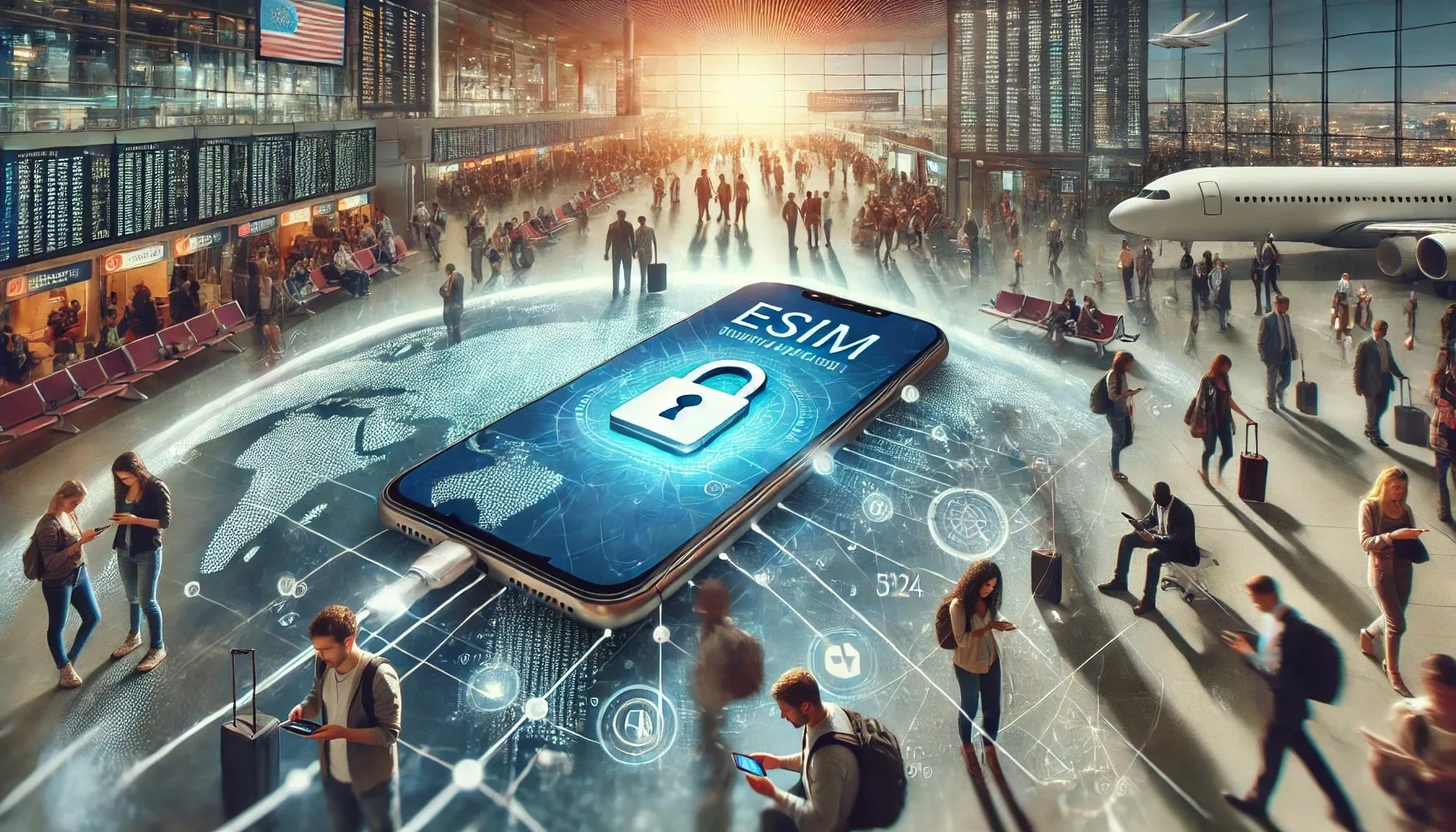
eSIM is an advanced technology for communication and becoming popular worldwide. Users are more prone to eSIM Card as compared to traditional physical sims.
No matter if you are using an Android, iPhone, tablet, or smartwatch, they all are compatible with eSIM. However, the concerns that are raised nowadays are how safe eSIM is for data privacy. Does it protect your data from theft and risks?
To reduce your queries, this blog entails all the details regarding eSIM data privacy, security, and threats along with tips on how you can mitigate them. So, let’s begin the reading.
How Does eSIM Work?
eSIM, or embedded SIM, is a digital SIM that is permanently embedded into a device. It is more easy to carry, use and switch. They are more convenient to swap because there is no need to change it physically like traditional SIM cards.
So, it works by connecting to a carrier network through a digital profile and does not need a physical SIM card. It can be activated and updated and even switched without going to a shop from the convenience of your ease.
What are the Security Features of eSIM Technology?
eSIM provides various advanced security features that are developed to enhance the privacy of the users. Let’s take a closer look at these features.
Encryption
One of the key security mechanisms in eSIM technology is encryption. The eSIM chip itself and the data that has to travel between the device and the carrier are protected by powerful encryption protocols. For instance, AES (Advanced Encryption Standard) is most popularly used for encrypting user data.
This means that once sensitive information passes through networks be it personal details or even mobile usage details-it travels completely encrypted, making it tough for hackers to intercept or read it.
Remote Profile Management
The eSIM separates mobile profiles from a physical card and manages them remotely. The activation or deactivation of the profile is, therefore, remote, which facilitates the change of provider. Although it is highly convenient, this process requires secure activation methods for profiles.
Multiple-factor authentication (MFA) and two-factor authentication (2FA) are usually deployed by carriers and device manufacturers to secure the process of adding or modifying profiles. That means access to amend eSIM profile settings can only be done by the authorized user.
Tamper-resistant hardware
They are tamper-resistant, similar to credit cards and payment devices. The eSIM hardware is also built to prevent tampering and unauthorized access, providing an extra layer of security.
This will make it harder for hackers to reach the SIM profile and swap them around without the user’s permission.
Benefits of eSIM for Data Privacy
There are different benefits of eSIM for data privacy. It includes:
Reduced Risk of SIM Swap Fraud
One of the most important privacy benefits of eSIM is that it can reduce SIM swap fraud. Traditional SIM cards mean that a hacker can impersonate a user and physically swap out the SIM card at a carrier store to take control of the victim’s phone number.
With eSIM, you do not have a physical card to swap over, making it much harder for fraudsters to hijack your mobile number.
Multiple Profiles, One Device
eSIM technology lets you store multiple carrier profiles on a single device, which may enhance your privacy. For example, you may have a personal number and a work number on the same device.
This helps administer all aspects of your life to an improved management scale while greatly limiting the opportunity of giving most of your details to different operators.
Better International Roaming Privacy
With eSIM it becomes easier to switch over to a native operator while making visits to various international destinations minimizes roaming as well as saves the user by protecting privacy also.
Because eSIM makes it possible for you to contain multiple profiles at the same time, you change the local network carrier without supplying personal data while switching SIMs every time; your data’s exposure to foreign net providers is, therefore, inhibited in case one travels abroad because of roaming.
Potential Risks and Threats with eSIM
eSIM does not leave immunity to any risk despite having plenty of security and privacy benefits. Here are some potential risks of this feature:
Remote Hacking and Profile Hijacking
The first big threat in the case of eSIM is remote hacking. As said above, activating and managing a profile remotely requires the interference of a central party. It allows an attacker to access a user’s profile unauthorised due to flaws present in the activation process of the remote profile.
This can happen in two manners: intercepting communication between a device and its carrier or taking advantage of the security flaws that are present in the system of the carrier.
Carrier Vulnerabilities
While the eSIM technology is secure, the security of the system lies in the carrier. If a carrier’s infrastructure is compromised, an attacker can gain access to a user’s eSIM profile.
An illegal gain of access to a carrier system might expose an individual’s most private information, or it might make unauthorized adjustments to a user’s eSIM profile. In other extreme cases, a hacker will gain control and hijack one’s phone number.
Lack of user control
People can remove a SIM card by themselves or just swap it as they feel a need to restore their privacy where using a physical SIM card takes that away for eSIMs.
This allows a carrier or any other party to access your device without your permission, and therefore, they may manipulate your profile without you physically intervening. This reduces the control users have over their data security.
Data Privacy Concerns
Some privacy advocates are also scared about the volume of personal details carriers can collect about a user using eSIM. Mobile carriers generally collect information on the persons; more accurately, these include call records, location data, and internet usage.
There could be more chances for profile flipping using eSIM, and carriers and third-party companies may be able to track your movements and online activities.
Though there are strict laws over data protection in some regions, there are no global standards; therefore, risks associated with privacy can be regional.
How to Minimize eSIM Risks to Your Security
As much as some security risks associated with eSIM exist, here are ways of protecting your data and privacy:
Choose a Trusted Carrier
One of the most effective means of ensuring security in using an eSIM is by selecting a carrier that boasts a great history of security.
Look for service providers that support MFA and 2FA while controlling your eSIM profile. The safer your carriers, the lesser the chance of unauthorized access to your profile.
Monitor and Update your Profile Regularly
Keeping the device and eSIM profile updated will ensure you reap all the security patch improvements. Manufacturers and carriers will release patches on known vulnerabilities, so you’re kept abreast of them.
Utilize Two-Factor Authentication
To keep it secure, use strong passwords and activate two-factor authentication (2FA). Many carriers and services allow you to add extra layers of protection to your eSIM and device.
Be Cautious of Phishing
One of the most famous modes of attacking the victims remains phishing, and it easily manages to extract sensitive information from the target individuals.
Make sure to be alert to any request asking for access to your carrier or even to your eSIM profiles. Refuse the strangers to log into any of your accounts without a clear source.
eSIM and Data Privacy Regulations
eSIM’s integration into the digital ecosystem is also subject to data protection regulations like the General Data Protection Regulation (GDPR) in the European Union and CCPA in California.
There are stringent rules for data handling, storing and management. That is why it is important for the carriers to follow these regulations as they are using eSIM technology. It will assure the privacy concerns of the users as well.
Privacy laws vary around the world, and in some areas, eSIM privacy regulations may not be as stringent. This variance can make travelling or using an eSIM abroad somewhat challenging.
How Safe is eSIM for Data Privacy?
The flexibility of switching between carriers, and remote activation of plans, is achieved through the technology of eSIM, all with encryption and multi-factor authentication.
It is more secure compared to SIM swaps, and this allows users a better convenience experience, especially during international travel, or with IoT devices.
On the other hand, privacy issues exist, as remote storage of profiles creates an environment for data breaches and unauthorized access.
Opening potential for hacking with remote alteration of profiles, international usage can subject users to differences in data privacy laws.
Protecting privacy calls for the following steps: the choice of carrier is important to choose a reliable carrier; implement two-factor authentication and check one’s account often for suspicious activities.
What Is the Future of eSIM about Data Privacy?
With increasing eSIM adoption, security features would evolve as well. Carriers and device manufacturers would bring new advanced encryption technologies, AI-based fraud detection systems, and many more advanced security measures to counter fraud and increase privacy.
The future of eSIM is promising, and as it evolves, so too will its security. It’s likely that the industry will address current vulnerabilities with stronger safeguards to protect users’ data and privacy.
Last to Say
eSIM is a powerful and flexible technology that offers several security advantages, including encrypted communication, tamper-resistant hardware, and reduced risk of SIM swap fraud.
But still, there are a few potential threats including remote hacking and carrier vulnerabilities. So, be sure to pick the one carrier or eSIM service provider that is reliable and authentic to provide eSIM service.
Billion Connect App for eSIM is one of the best eSIM providers worldwide with amazing cellular plans to make your travelling, working and communication secure and advanced.