


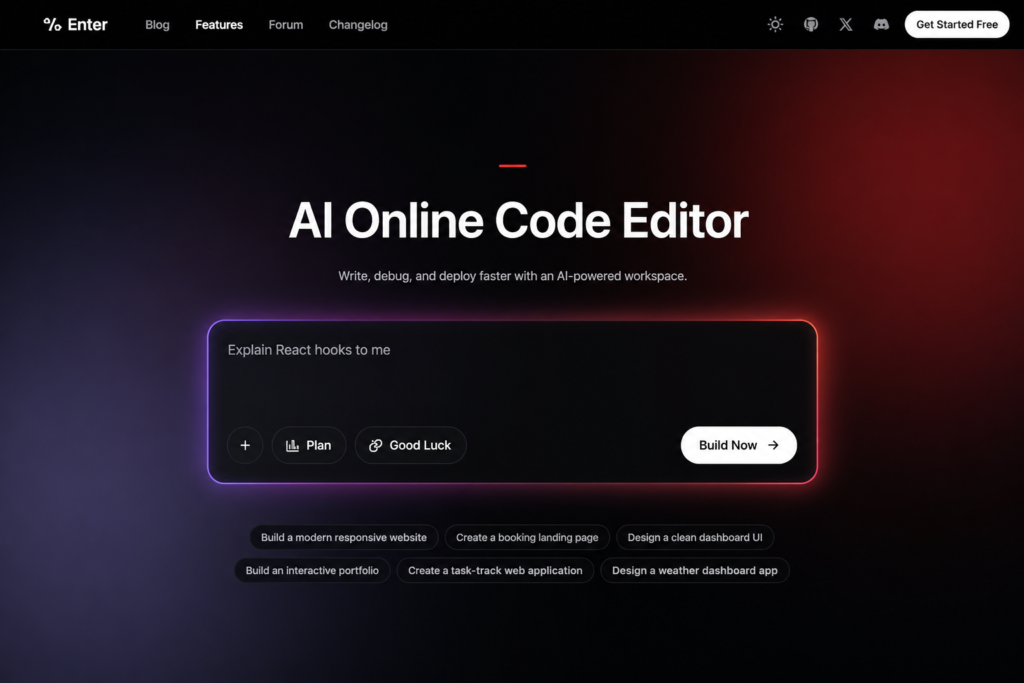
Nobody tells you this during orientation, but your degree is only part of what gets you hired. The other part is what people find when they search your name online. Recruiters Google candidates. Hiring managers check LinkedIn. And if nothing comes up, or worse, something unprofessional does, your resume might not even get a second look. Building a personal brand online sounds like advice reserved for influencers and entrepreneurs, but it is genuinely one of the most practical things a fresh graduate can do before entering the job market. Enter Pro has become a go-to for students who want to put something real together without spending money they do not have yet. Getting comfortable with tools like a free code editor early on also gives you a quiet but real advantage, especially if you are going into any field that touches technology.
The LinkedIn vs Personal Website Debate (And Why You Need Both)
A lot of graduates assume LinkedIn is enough. It is not, and here is the simple reason why. LinkedIn shows the same information in the same format for every single person. Your profile looks structurally identical to everyone else who graduated from your program with your GPA and your internship.
A personal website gives you a canvas that is entirely yours. You control what goes on it, how it looks, what story it tells, and what impression it leaves. LinkedIn should point people to your website, not replace it.
Think of LinkedIn as the door and your personal website as the room people walk into. You want that room to feel like you, not like a form someone filled out.
What Your Personal Brand Actually Means as a Student
Personal branding gets overcomplicated. For a student or recent graduate, it really just means being intentional about how you present yourself professionally online.
It starts with getting clear on what you want to be known for. Are you a data science student who loves visualizing complex information in simple ways? A communications graduate with a strong opinion on how brands talk to Gen Z? A mechanical engineering student who has been building robotics projects since high school? That specificity is your brand. It is what makes you memorable in a stack of identical resumes.
Your website, your LinkedIn headline, the projects you share, the way you write about your work, all of it should point toward that one clear identity you are building.
Building Your First Website Without a Tech Background
Here is something worth knowing upfront. You do not need to know how to code to build a decent personal website, but knowing even a little bit helps more than most people expect.
When you use a platform that gives you both a visual builder and access to code, you start learning by doing. You adjust a font size, you see what that looks like in CSS, and suddenly the gap between “I have no idea how this works” and “I can actually tweak this myself” gets a lot smaller. Enter Pro is built in a way that does not punish you for being a beginner while still giving you room to explore the technical side when you are ready.
Before you pick any platform, it is worth spending some time with a proper comparison of the best website maker options available, because what works for a freelancer or a small business is not necessarily what works best for someone building a student portfolio with specific goals around career entry.

What to Actually Put on Your Student Portfolio
This is where most students get stuck. They either put too little because they think they have nothing worth showing, or they dump everything they have ever done onto the page without any curation.
Start with your strongest three to five academic or personal projects. These do not have to be professional work. A research paper you are proud of, a side project you built, a campaign you designed for a class, a data set you analyzed for fun, all of it counts. The key is presenting it with context. What was the problem? What did you do? What was the outcome or what did you learn?
Add a short bio that sounds like a real person wrote it. Skip the third-person corporate tone. Write the way you would introduce yourself at a networking event, confident but human.
Include a contact section that actually works. Recruiters who cannot easily reach you will simply move on.
How to Write About Yourself Without Sounding Arrogant or Invisible
This is a skill nobody really teaches in school and it trips up almost every first-time website builder. There is a narrow space between underselling yourself and sounding like you invented sliced bread, and finding it takes a little practice.
The trick is to let the work do most of the talking. Instead of saying “I am a passionate and driven marketing professional,” show a campaign you worked on and explain what it achieved. Instead of “strong analytical skills,” walk someone through a problem you solved and the method you used.
Keep your language active and specific. Passive, vague writing feels insecure even when the work behind it is genuinely good. Confident writing does not brag, it simply states what happened clearly and lets the reader draw their own conclusions.
Using Your Website to Stand Out in Internship and Job Applications
Most applicants send a resume and a cover letter. Some include a LinkedIn link. Almost nobody includes a link to a personal website where the recruiter can see actual work, read about the person behind the application, and get a genuine sense of who they are hiring.
That gap is your opportunity. Including your website link in your email signature, on your resume header, and in your LinkedIn profile bio costs you nothing and immediately separates you from the majority of applicants who do not have one.
Enter Pro makes it easy to keep your site updated as you finish new projects, land new experiences, or shift your focus. You are not building a static document, you are building a living professional presence that grows with you through your career.
Conclusion
The job market is competitive and a degree alone does not differentiate you the way it once did. Building a personal brand online is not about becoming an influencer or marketing yourself in some uncomfortable way. It is about making sure that when someone who can hire you looks you up, they find something real, something impressive, and something that makes them want to reach out. Starting that process before graduation, or right after, puts you in a position that most of your peers will not be in for years. The tools to do it are accessible, the learning curve is manageable, and the payoff is a professional presence that works for you even when you are not actively job hunting.