


Introduction
With the growth of online payment gateway in India, UPI has become one of the most popular payment methods. However, many people are still unaware of the technicalities involved in UPI payments. One such technical term is VPA or Virtual Payment Address.
In this blog, we will explain VPAs, how they work in UPI payments, and how to create successful ones.
Understanding VPA in Detail
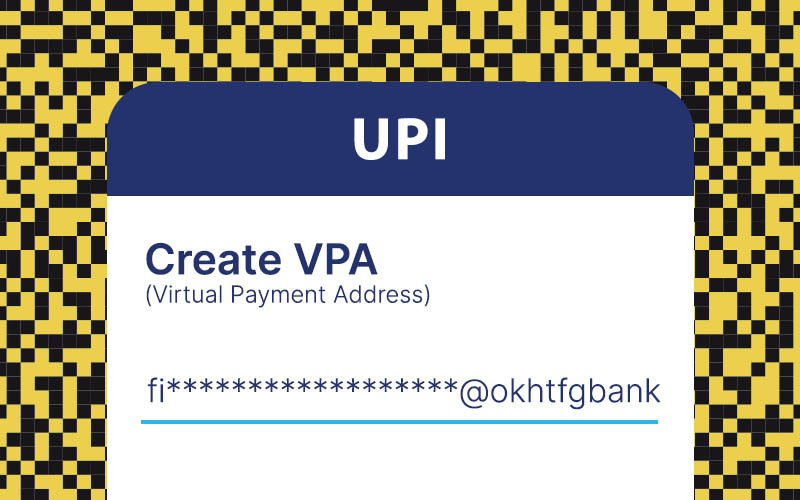
VPA stands for Virtual Payment Address. It is an identifier that is used in UPI payments instead of entering bank account details. VPA gives users a simple and easy-to-remember identifier to send and receive money.
What is VPA in UPI?
In UPI, a VPA acts as a virtual identity that replaces your bank account details. When you create a VPA, you are essentially creating an alias for your bank account. Others can then use this VPA to transfer money to your account.
For example, if your bank account is registered with ‘XYZ Bank’ and your name is John, your VPA could be something like ‘john@upi’ or ’91xxxxxx10@xyz. Now, anyone with this VPA can pay you without needing your full bank account number.
Some key Features of VPA:
- It is a payment address linked to a bank account. Just like your email address, it makes payments easier without sharing sensitive bank details.
- VPAs can be in various formats like name@upi, name@ybl or phone number@upi, etc., depending on the bank.
- Users must register their VPA once by linking it to their bank account. After that, they can use it to send or receive money from their contacts.
- VPAs provide extra security as payments happen without publicly sharing account numbers or IFSC codes.
How to create a VPA successfully?
Creating a VPA is easy, but it is important to follow the right steps:
- Download your bank’s UPI-enabled mobile banking app.
- Log into the app and look for the ‘VPA registration’ option.
- Enter your name, and mobile number and select an identifier/nickname for your VPA.
- Confirm your VPA by entering the OTP received on your registered mobile number.
- Your VPA is now created! You can start receiving and sending money using this address.
- It is recommended to keep your VPA name simple yet unique for easy identification.
How does VPA work?
The working of VPA is quite simple:
- The sender enters the recipient’s VPA or scans the QR code in their payment app
- The app identifies the bank linked to that VPA and initiates a funds transfer request.
- The recipient receives a notification on their registered mobile number.
- On approving it, money is instantly credited to their linked bank account within seconds.
- The transaction happens without either party sharing their actual bank details.
Access Seamless Online Payments with NTT DATA Payment Services
NTT DATA Payment Services offers secure and reliable payment processing solutions to help businesses seamlessly accept digital payments. Their payment gateway is integrated with all popular payment methods, including UPI, debit/credit cards, net banking, wallets, and more. Businesses get real-time reporting, analytics, and 24/7 support to scale their digital collections.
Conclusion
VPA has simplified UPI payments by acting as an easy-to-use identifier. By creating a unique VPA, users get a virtual address to receive funds without sharing private bank details. Following the right registration process helps create a VPA that can be used safely for all online transactions. I hope this blog helped explain the full form and importance of VPA in UPI payments. Do let me know if you have any other questions!