


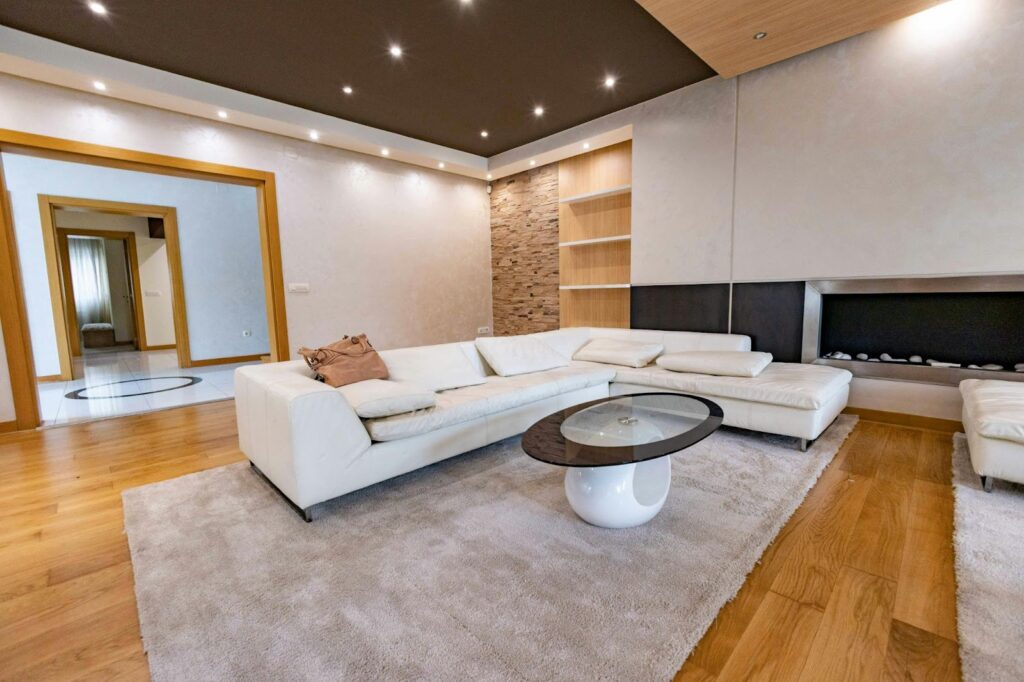
Lighting plays a crucial role in modern home design. It’s not just about illuminating spaces anymore—it’s about creating atmospheres, enhancing functionality, and reflecting personal style. Whether it’s a cozy living room, a sleek kitchen, or a tranquil bedroom, great lighting can transform how a space feels and functions.
If you’re a homeowner, interior designer, or simply an architecture enthusiast looking to elevate your home’s design, here are the top trends in residential lighting design you can’t afford to miss.
1. Smart Lighting Technology
The rise of smart home technology has redefined what residential lighting design can achieve. Smart lighting systems go beyond turning lights on and off—they allow homeowners to create dynamic environments tailored to their daily routines and preferences.
Key Features of Smart Lighting:
- Control via Apps or Voice Commands
Homeowners can adjust their lighting from anywhere using mobile apps or voice assistants like Alexa and Google Home. Whether you want to dim the lights for movie night or turn the kitchen lights on as you arrive home, the possibilities are endless.
- Customizable Scenes
Smart systems allow you to set “scenes” or pre-programmed settings. For instance, a “relaxation” scene might feature warm, dim lighting, while a “focus” scene would use brighter, cooler tones.
- Energy Efficiency
Smart bulbs are energy-conscious, helping you save on electricity while reducing your environmental impact. Many systems also include motion detection, ensuring lights are only on when needed.
2. Sustainable Lighting Solutions
Sustainability is no longer an optional consideration—it’s a priority in modern home design. Residential lighting design trends are shifting toward eco-friendly practices, making it possible to lower your carbon footprint without compromising on style or functionality.
What Makes Lighting Sustainable?
- LED Bulbs
LED lighting uses up to 80% less energy than traditional incandescent bulbs and lasts much longer, making it a smart long-term investment.
- Recycled Materials
Light fixtures crafted from recycled or repurposed materials, like reclaimed wood, glass, and metals, are gaining popularity for their earthy, natural charm.
- Solar-Powered Lights
Incorporating solar-powered outdoor lighting for pathways or gardens not only looks stunning but also saves on energy costs.
Pro Tip: Brands like Tala or WAC Lighting focus on energy-efficient, sustainable designs, making them great options for eco-conscious homes.
3. Lighting as a Design Feature
Gone are the days when lighting fixtures were purely functional. Today, they’re centerpieces that can elevate the design of any space. Lighting is being integrated into homes as a form of artistic expression, adding depth, character, and even drama to interiors.
How to Incorporate Lighting as a Design Feature:
- Sculptural Pendants
Oversized, sculptural pendant lights are huge in contemporary designs. They act as artistic focal points and can anchor spaces like dining areas or entryways.
- Layered Lighting
Combining ambient, task, and accent lighting adds dimension and flexibility, allowing you to make each part of your home stand out. For instance, pair recessed ambient lighting with statement wall sconces for a balanced aesthetic.
- LED Strips for Architectural Highlights
LED strips can highlight architectural elements like staircases, bookcases, and kitchen islands, bringing a sleek and modern edge to your interiors.
Pro Tip: Choose fixtures that reflect your design aesthetic. Whether it’s minimalist, industrial, or bohemian, lighting adds a personal touch as much as furniture or wall art.
Examples of Lighting that Transforms Spaces:
- Living Room: A chandelier-style pendant light can set the tone for a luxurious yet inviting space.
- Bedroom: Gentle sconces or dimmable lamps create a cozy and calming environment perfect for relaxation.
- Kitchen: Under-cabinet LED strips ensure functionality without sacrificing a clean aesthetic.
Why Lighting Matters in Residential Design
Lighting isn’t a mere afterthought—it’s a critical element that ties your entire home design together. The right lighting can make small spaces feel larger or imbue minimalist designs with warmth and character. It influences mood, supports daily activities, and even impacts energy efficiency.
By integrating advanced smart technology, sustainable practices, and creative design elements, you can transform any room into a personalized sanctuary.
Illuminate Your Space
Whether you’re planning a renovation or simply refreshing your current setup, these trends in residential lighting design showcase how far lighting has come. Don’t be afraid to experiment or consult with experts to find what works best for your space. Remember, great lighting doesn’t just illuminate—it inspires.
If you’re ready to explore lighting options that reflect your style and needs, consult an interior designer or visit local lighting showrooms. Brighten your home—and your life—today!