


Introduction
T-shirts are more than just clothing; they’re a canvas for expression, branding, and business opportunities. Whether you’re an entrepreneur starting a custom apparel brand, a print shop owner looking to expand, or simply exploring the best way to create personalized designs, choosing the right printing technique is crucial.
The t-shirt printing industry has evolved significantly over the years, offering a variety of methods tailored to different needs. Some techniques excel in durability, while others focus on intricate details or cost-effective production. Understanding these methods will help you select the best one for your business and ensure high-quality prints that customers love.
Let’s explore the ten most popular t-shirt printing techniques and their advantages and limitations.
1. Screen Printing
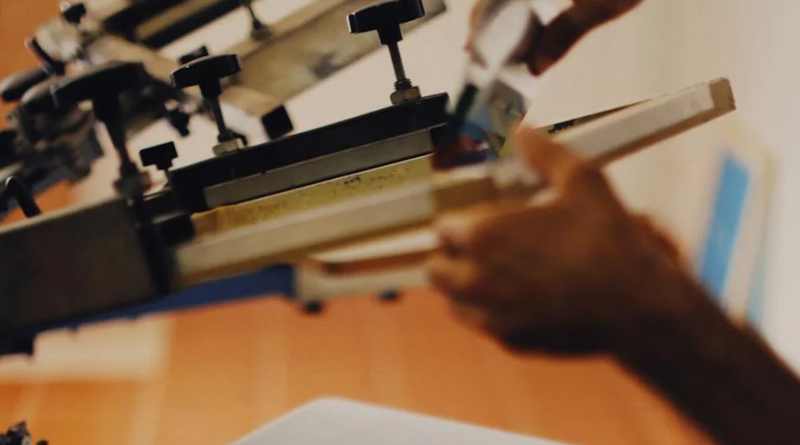
Screen printing is one of the oldest and most widely used t-shirt printing methods. It involves pushing ink through a stencil (or screen) onto fabric, creating bold and vibrant designs.
This technique is favored for bulk orders because it’s cost-effective when producing large quantities of the same design. The colors are rich and durable, standing up well to repeated washing. However, screen printing has limitations—setting up the screens takes time, and it’s not ideal for highly detailed or multicolor designs due to the need for separate screens for each color.
For businesses handling large orders, screen printing remains a reliable and high-quality option.
2. Direct-to-Garment (DTG) Printing
If you’ve ever seen a high-resolution image printed on a t-shirt, chances are it was done with direct-to-garment (DTG) printing. This method uses inkjet technology to apply water-based ink directly onto the fabric, producing intricate, full-color designs.
DTG printing is perfect for small batches and one-off custom prints since it requires minimal setup. It’s particularly useful for detailed artwork and photographic prints. However, the process is slower than screen printing, and the ink can fade over time if not cared for properly. The cost per print is also higher, making it less ideal for large-scale production.
For businesses specializing in custom apparel, DTG offers unmatched design versatility.
3. Heat Transfer Printing
Heat transfer printing uses a special transfer paper that holds the design. The paper is placed onto the fabric and subjected to heat and pressure, bonding the design to the shirt.
This method is easy to use and is commonly found in home-based businesses and small-scale print shops. It’s great for printing on demand, allowing businesses to create designs as orders come in rather than keeping stock.
The downside? Heat transfer prints don’t last as long as screen-printed or sublimation prints. Over time, they may crack or peel, especially with frequent washing. Despite this, heat transfer remains a viable option for those looking for a quick and cost-effective solution.
4. Sublimation Printing
Sublimation printing is a game-changer for polyester garments. Instead of applying ink on top of the fabric, sublimation infuses dye directly into the fibers, creating a print that won’t fade, crack, or peel.
The process uses heat and pressure to turn ink into gas, bonding it with the fabric at a molecular level. The result is a vibrant, long-lasting print with no texture. However, sublimation only works on polyester and light-colored fabrics, making it unsuitable for cotton shirts or dark garments.
If your business focuses on athletic wear, performance shirts, or custom polyester apparel, sublimation is one of the best options available.
5. Vinyl Cutting & Printing
Vinyl printing involves cutting designs from sheets of colored vinyl and heat-pressing them onto fabric. This method is commonly used for sports jerseys, name tags, and custom lettering.
Vinyl prints are highly durable and offer a smooth, professional look. They stand up well to washing and can be used on a variety of fabrics. However, the process is time-consuming, making it inefficient for mass production. It’s also limited in design complexity—multicolor designs require layering, which increases production time.
This method is a great choice for businesses that specialize in personalized items, such as sports uniforms and one-off custom pieces.
6. Plastisol Transfers
Plastisol transfers combine the best of screen printing and heat transfer technology. Designs are screen-printed onto special transfer paper, which can later be applied to garments using a heat press.
This technique allows businesses to print in bulk and apply designs as needed, reducing waste and inventory costs. The prints are durable and high-quality, closely resembling traditional screen prints.
However, plastisol transfers require specialized equipment and transfer sheets, adding to the initial investment. Still, for those looking to streamline their printing process, it’s a worthwhile option.
7. Embossed and Puff Printing
For a unique, raised effect, embossed and puff printing techniques add texture to t-shirts. These methods use heat-sensitive inks or foam-based materials that expand when exposed to high temperatures.
This technique is commonly found in high-end fashion and streetwear brands, as it creates a visually striking and tactile design. However, it comes with limitations—color options are often restricted, and production costs are higher than traditional methods.
If your business aims for premium, standout apparel, embossed printing is worth considering.
8. Water-Based Printing
Water-based printing is an eco-friendly alternative to traditional plastisol inks. It uses water-soluble inks that penetrate fabric fibers, creating a soft, breathable print.
Unlike plastisol inks, which sit on top of the fabric, water-based inks blend seamlessly, giving the design a “no-feel” texture. This method is ideal for organic clothing brands and businesses focusing on sustainability.
The main drawbacks are its lower color vibrancy and longer drying time. Still, if sustainability is a priority, this is one of the best techniques to adopt.
9. Discharge Printing
Discharge printing works by removing the original dye from a fabric and replacing it with new ink. This results in vibrant, soft prints, especially on dark-colored cotton garments.
Since discharge printing strips the fabric’s dye, it retains a natural feel—unlike plastisol prints, which create a thick layer on top of the fabric. However, this method requires special inks and works best on 100% cotton.
For businesses looking to create high-quality, vintage-style prints, discharge printing is an excellent choice.
10. Hybrid Printing (DTG + Screen Printing)
Hybrid printing combines the strengths of direct-to-garment (DTG) and screen printing, offering high detail while maintaining cost-efficiency. It works by screen-printing a base layer before applying detailed digital prints over it.
This method is particularly useful for large-scale orders with complex designs. It bridges the gap between screen printing’s affordability and DTG’s detail-oriented approach.
For businesses that need both precision and efficiency, hybrid printing is an emerging favorite.
Choosing the Right Printing Method for Your Business
With so many techniques available, choosing the right one depends on factors like order volume, fabric type, durability, and cost. If you’re producing large batches, screen-printing is a great option. For custom one-off designs, DTG or DTF prints might be a better fit. If you’re targeting the sportswear market, sublimation is the way to go.
Investing in the right printing method can elevate your business and help you stand out in a competitive market. Consider your business goals, budget, and target audience before making a decision.
Conclusion
T-shirt printing is an exciting industry with endless possibilities. By understanding these techniques, you can make informed choices that maximize both quality and profitability. Whether you’re starting small or scaling up, the right printing method can set your business apart.
Ready to take your t-shirt printing business to the next level? Experiment with different methods and find what works best for you!