


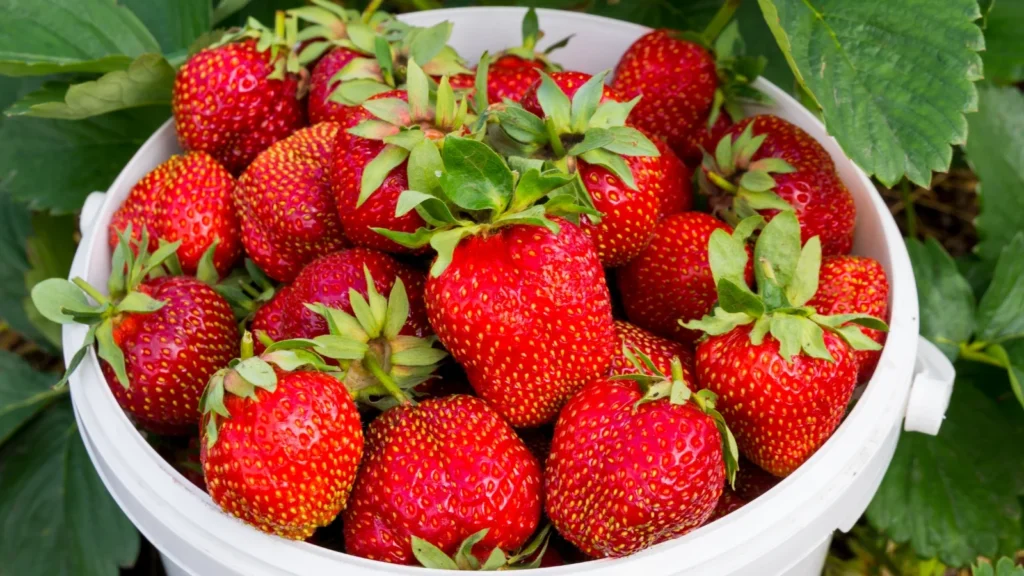
Strawberries are the crown jewels of any garden—sweet, vibrant, and a thrill to grow. But keeping strawberry plants happy year-round? That’s the trick. In 2025, as gardeners chase fresh berries no matter the weather, the secret to thriving strawberry plants lies in smart care and a little ingenuity. Whether it’s blazing summer or frosty winter, you can coax these beauties into peak performance. Here’s how to unlock their potential and enjoy strawberries in any season.
The Heart of Strawberry Success
What makes strawberry plants special is their resilience—they’re perennials that bounce back yearly with the right TLC. June-bearers fruit once in summer, everbearers pop twice (spring and fall), and day-neutrals keep going all season if conditions align. The secret isn’t magic; it’s understanding their needs—sun, soil, and a bit of seasonal savvy. Master these, and your plants won’t just survive—they’ll thrive, delivering berries whenever you crave them.
Starting with the Right Setup
Thriving begins with a solid foundation. Strawberry plants love full sun—6-8 hours daily—to fuel those sweet fruits. Pick a spot with loose, well-drained soil—think sandy loam—or go for raised beds if your ground’s heavy. Containers work, too; 12-inch pots with drainage holes suit small spaces. Enrich with compost before planting; they’re not fussy, but nutrient-rich soil gives them a head start.
Plant in spring (March-April) or fall for mild zones—crowns level with soil, roots spread. Mulch with straw to keep moisture in and weeds out. A great setup primes them for any season’s challenges.
Watering: The Lifeline Year-Round
Water’s the secret sauce—strawberry plants need it consistent but not drowning. Aim for an inch weekly, upping to two in summer heat or fruiting peaks. Too little, and berries shrink; too much, roots rot. Drip irrigation or a soaker hose hits the sweet spot, soaking roots without wetting leaves—wet foliage invites trouble.
Winter’s trickier—cut back but don’t stop; dormant plants still need a sip if rain’s scarce. In containers, watch for dry-out—pots lose moisture fast. Keep the flow steady, and they’ll power through any weather.
Feeding for All-Season Strength
Nutrients keep strawberry plants pumping out fruit. In spring, sprinkle a balanced fertilizer (10-10-10)—a tablespoon per plant—or layer compost for an organic boost. Everbearers and day-neutrals love a mid-season feed, too—half-strength around July—to fuel extra crops. Avoid late fall feeding; it sparks growth when they should rest.
The secret’s balance—overfeed, and you get leafy giants with no berries. Time it right, and they’ll stay strong from spring blooms to fall’s last pick, thriving no matter the calendar.
Pruning and Runner Control
Pruning’s your seasonal ace. For June-bearers, trim old leaves post-harvest—brown and done—to spark new growth. Everbearers and day-neutrals need a light touch—snip dead foliage anytime, keeping crowns clear. First-year plants? Pinch off flowers ‘til midsummer; it builds roots for next season’s boom.
Runners—those sprawling shoots—are gold or trouble. Let a few root in spring to expand, but cut extras in summer; they sap energy from fruit. Winter’s cleanup—remove excess—keeps them tidy. Prune smart, and your plants thrive year-round.
Weatherproofing Your Strawberries
Seasons throw curveballs, but you can outsmart them. Summer heat can fry apple trees—shade cloth (30% cover) cuts harsh rays, and mulch cools roots. Water early mornings to beat evaporation. Spring frosts? Cover with row fabric or old sheets if blooms are out—berries hate a freeze.
Winter’s the big test—mulch heavy (4-6 inches of straw) after the ground freezes to insulate roots. In brutal cold (below -20°F), add burlap over dwarf plants or move pots indoors. Day-neutrals in greenhouses or under grow lights? They’ll fruit all winter. Adapt to the weather, and they’ll keep going.
Pest and Disease Defense
Thriving means staying healthy. Slugs love strawberries—scatter diatomaceous earth or set beer traps to nab them. Birds swoop in at ripeness—netting’s your shield, loose enough for air. Aphids curl leaves; a water blast or soap spray fixes that fast. Powdery mildew (white fuzz) hits in damp summers—space plants 18-24 inches and water roots only to dodge it.
Root rot’s a killer if drainage lags—raised beds prevent it. Check weekly; early catches save your crop. A clean, airy patch is the secret to dodging seasonal woes.
Harvesting Across Seasons
The prize: berries whenever you want. June-bearers ripen early summer—red and firm, picked every other day. Everbearers hit spring and fall; day-neutrals stretch from May to frost if pampered. Snip or twist when fully colored—green means wait. Morning’s prime—cool berries last longer.
Extend the season—cover everbearers in fall with tunnels to push a late crop, or pot day-neutrals indoors for winter nibbles. A thriving plant gives quarts from a small patch—fresh, frozen, or jammed, it’s your call.
The Secret Unlocked
The real trick to thriving strawberry plants in any season? It’s not one thing—it’s everything. Sun-soaked spots, steady water, timely food, and weather-wise tweaks keep them humming. They’re tough little champs, ready to roll from spring’s first bud to winter’s edge with the right moves. In 2025, as we crave year-round freshness, this guide cracks the code—plant, tend, and tweak your way to strawberry glory. Your garden’s sweetest secret? It’s all in your hands.