


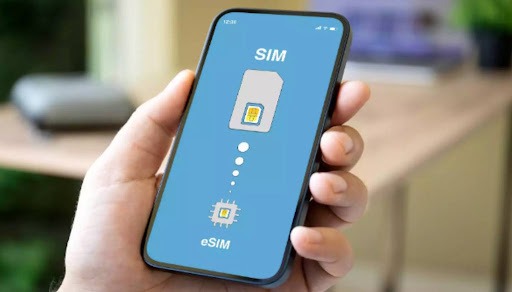
In today’s fast-paced, tech-driven world, staying connected is paramount. With the growing need for seamless communication and the ever-increasing demand for better technology, eSIM (embedded SIM) has emerged as a revolutionary advancement over traditional physical SIM cards. The eSIM is a small, embedded chip in your device that can be programmed and reprogrammed remotely without needing to swap physical cards. This article delves into the key advantages of eSIM over physical SIM cards and how this innovation is reshaping the landscape of mobile connectivity.
1. Convenience and Flexibility
One of the most significant advantages of eSIM technology is the sheer convenience it offers. Unlike physical SIM cards, which require a user to insert a small chip into their device, eSIMs are embedded directly into the hardware. This means you can switch carriers, activate new plans, or update existing ones without needing to visit a store or wait for a new SIM card to be delivered. With just a few taps on your device, you can download a new profile and get connected instantly.
This flexibility is particularly beneficial for frequent travellers and digital nomads. Instead of carrying multiple SIM cards or relying on international roaming, users can easily switch to a local carrier in the country they’re visiting. The ability to store multiple carrier profiles on a single eSIM also allows for quick transitions between networks, which is ideal for those who move between different regions or countries often.
2. Space-Saving Design
The eSIM’s space-saving design is another critical advantage. Traditional physical SIM cards require a dedicated slot in your device, taking up valuable space that could be used for other components like a larger battery, additional storage, or more advanced cameras. By eliminating the need for a physical slot, manufacturers have more freedom to design sleeker, more compact devices without compromising on functionality.
This space-saving aspect is particularly important in wearables like smartwatches, where every millimetre counts. eSIM technology allows manufacturers to integrate connectivity into smaller devices, paving the way for more advanced and feature-rich wearables.
3. Enhanced Security
Security is a growing concern in the digital age, and eSIM technology offers enhanced protection over traditional SIM cards. Physical SIM cards can be easily lost, stolen, or damaged, potentially leading to unauthorised access to your mobile account. In contrast, eSIMs are embedded directly into your device, making them much harder to tamper with or remove without authorization.
Moreover, eSIM technology supports remote SIM provisioning, which means your carrier can securely update or deactivate your SIM profile without needing physical access to your device. This feature not only enhances security but also makes it easier to recover your account if your device is lost or stolen.
4. Environmental Impact
As the world becomes increasingly aware of the importance of sustainability, the eSIM’s potential to reduce environmental impact is a significant advantage. Traditional SIM cards are made from plastic and are often discarded when a user switches carriers or upgrades their device. This contributes to plastic waste, which has long-term environmental consequences.
eSIM technology eliminates the need for physical cards, reducing plastic waste and the associated environmental footprint. Additionally, the remote provisioning feature means fewer SIM cards need to be manufactured and shipped globally, further contributing to a more sustainable mobile ecosystem.
5. Future-Proofing Connectivity
eSIM technology is not just a current trend; it represents the future of mobile connectivity. As 5G networks continue to expand and the Internet of Things (IoT) becomes more prevalent, the demand for seamless, reliable, and flexible connectivity will only increase. eSIMs are perfectly suited to meet this demand, offering a scalable solution that can adapt to the evolving needs of consumers and industries alike.
In the IoT space, eSIMs enable devices to connect to networks without needing a physical SIM card, which is particularly advantageous for smart home devices, connected cars, and industrial IoT applications. This capability ensures that eSIM technology will play a crucial role in the future of connectivity, driving innovation and enabling new possibilities across various sectors.
6. Cost Efficiency for Consumers and Carriers
The cost benefits of eSIM technology extend to both consumers and carriers. For consumers, the ability to switch carriers or plans without needing a new SIM card means fewer associated costs, such as purchasing a new SIM card or paying for shipping. This convenience can lead to significant savings over time, especially for those who frequently switch networks or use multiple devices.
For carriers, eSIM technology reduces the logistical costs of manufacturing, distributing, and managing physical SIM cards. This cost efficiency can be passed on to consumers in the form of more competitive pricing and better service offerings. Additionally, the ability to remotely manage SIM profiles simplifies the process for carriers, leading to improved customer satisfaction and streamlined operations.
7. Seamless Integration with Simbud
For those looking to explore the benefits of eSIM technology, platforms like Simbud offer a seamless way to connect and manage eSIM profiles. Simbud provides an easy-to-use interface that allows users to compare and activate eSIM plans from various carriers, all in one place. This integration simplifies the process of switching networks, ensuring that you can take full advantage of eSIM technology without the hassle.
Conclusion
The transition from physical SIM cards to eSIM technology represents a significant leap forward in mobile connectivity. With its numerous advantages, including convenience, enhanced security, environmental benefits, and cost efficiency, eSIM is poised to become the standard for mobile devices in the near future. As more consumers and carriers adopt this innovative technology, the way we stay connected will continue to evolve, offering new opportunities for flexibility and efficiency.