


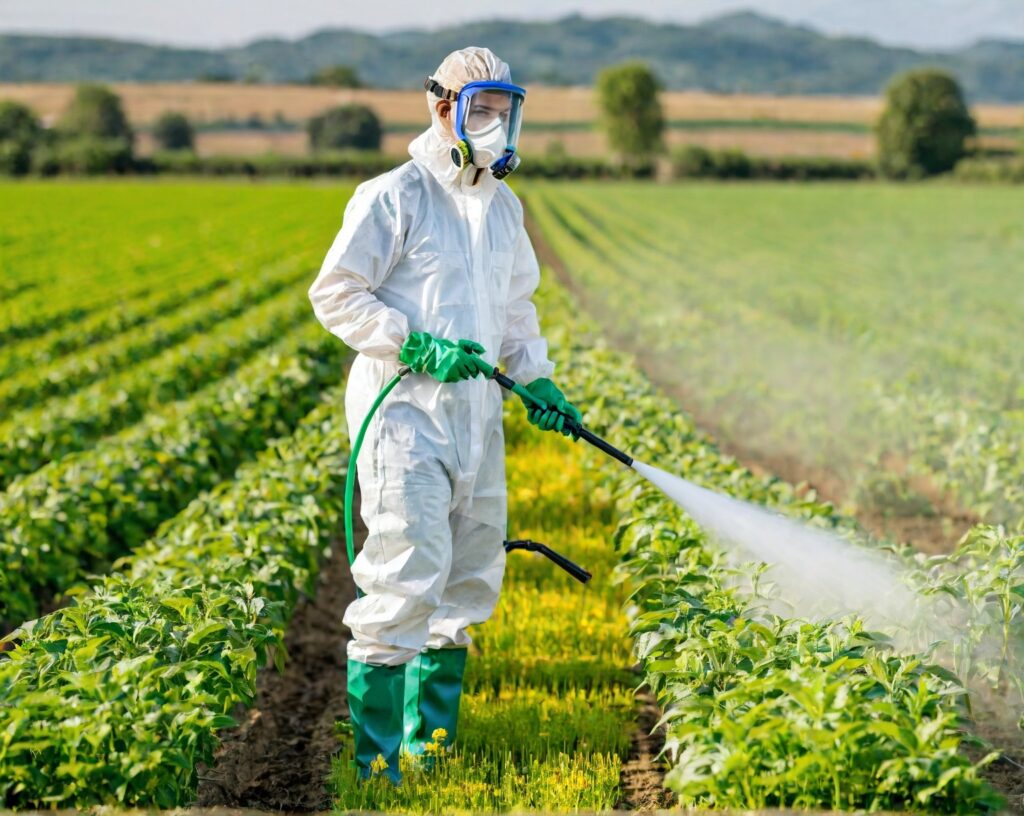
Pesticides help control pests that threaten crops, homes and health. But using them wrongly can harm people, animals and the environment. Safe application is key. This guide covers everything needed to use pesticides effectively while reducing risks.
Step 0: Practising Safety at Every Step
Before handling any pesticide, safety must come first. Every stage—identifying pests, choosing a pesticide, applying it and cleaning up—carries risks. Proper precautions prevent harm to people, pets and the environment.
Pest control should never be a rushed job. Mistakes can lead to chemical exposure, ineffective treatments or environmental damage.
Safety-oriented pest control training teaches safe and effective methods for handling infestations. When you understand infestations and appropriate control methods, you are more inclined to prioritise safety while ensuring effectiveness.
Step 1: Understanding Pesticides
A pesticide is any substance used to kill or control pests. These include insects, weeds, fungi and rodents. There are different types:
- Herbicides – Kill or prevent unwanted plants (weeds).
- Insecticides – Target insects like ants, mosquitoes and aphids.
- Fungicides – Prevent or treat fungal diseases on plants.
Each type works differently. Some disrupt the pest’s growth, while others poison or repel them. Choosing the right one makes all the difference.
Step 2: Reading and Understanding Labels
Pesticide labels contain vital information. They explain how to use the product safely and effectively. Ignoring the label can lead to health risks or environmental damage.
Key details on the label include:
- Active ingredients – The chemicals responsible for killing pests.
- Application rates – The correct amount to use.
- Safety instructions – Protective gear needed and first aid advice.
- Environmental warnings – Risks to water sources, wildlife and beneficial insects.
Reading labels before use is essential. It prevents mistakes and ensures better results.
Step 3: Choosing the Right Pesticide
Not all pesticides work for every pest. Choosing the wrong one wastes time and money. It can also harm beneficial insects like bees.
Things to consider:
- What pest needs controlling? Identifying the problem correctly is the first step.
- How severe is the infestation? Some pests require stronger treatment than others.
- What is the environmental impact? Some pesticides linger in soil or water, causing harm.
Step 4: Safety Equipment and Precautions
Pesticides can be harmful if not handled properly. Using the right personal protective equipment (PPE) is a must.
Essential safety gear includes:
- Gloves – Prevent skin contact.
- Masks or respirators – Protect against inhaling fumes.
- Goggles – Shield eyes from splashes.
- Protective clothing – Long sleeves and trousers reduce exposure.
Other key safety measures:
- Check the weather. Wind can spread chemicals to unintended areas.
- Keep children and pets away. They can accidentally come into contact with harmful substances.
- Wash hands thoroughly. Pesticides should never be ingested.
Wearing the right safety equipment and following precautionary measures are central topics in health and safety training. Proper training ensures pesticide application is performed safely.
Step 5: Mixing and Preparation
Mixing pesticides requires precision. Getting the ratio wrong can make the product ineffective or dangerous.
Steps for proper mixing:
- Read the label. It tells how much to mix and what precautions to take.
- Measure accurately. Using too much or too little is risky.
- Use clean containers. Contamination can reduce effectiveness.
- Mix in a well-ventilated area. Avoid enclosed spaces to prevent inhaling fumes.
- Stir properly. Ensure an even mixture before applying.
Never mix different pesticides unless instructed. Some combinations create toxic reactions.
Step 6: Application Techniques
Different pests require different application methods. Choosing the right technique improves effectiveness and reduces waste.
Common methods:
- Spraying – Uses liquid pesticides applied with a sprayer. Ideal for covering large areas.
- Dusting – Fine powders are spread over plants or surfaces. Works well for crawling insects.
- Baiting – Uses poisoned bait to attract pests. Common for rodents and ants.
For best results:
- Apply at the right time. Some pests are more active at night or early morning.
- Use even coverage. Avoid missing spots or over-applying.
- Avoid runoff. Excess pesticide can pollute water sources.
Step 7: Cleaning Up
Cleaning up is just as important as application. Leftover pesticides can be hazardous.
Steps for proper cleanup:
- Dispose of unused pesticide correctly. Never pour it down the drain. Follow local disposal guidelines.
- Wash equipment immediately. Residue can corrode or contaminate future applications.
- Store PPE separately. Keep gloves and masks away from food and living areas.
- Wash hands and clothing. Prevent unintentional exposure.
Spills should be contained quickly. Absorb liquids with sand or sawdust and dispose of safely.
Step 8: Storing Pesticides
Improper storage increases risks. Children, pets and wildlife can accidentally come into contact with chemicals.
Best storage practices:
- Keep in original containers. Labels provide crucial information.
- Store in a cool, dry place. Heat or moisture can degrade chemicals.
- Lock away from children and animals. Prevent accidental poisoning.
- Separate from food and drink. Avoid contamination.
Check expiry dates regularly. Old pesticides may lose effectiveness or become unsafe.
Step 9: Monitoring and Record Keeping
After applying pesticides, it’s important to monitor results. Some pests need follow-up treatments.
Keeping records helps track progress and ensures compliance with regulations. Key details to note:
- Date of application – Helps identify when reapplication is needed.
- Pesticide used – Prevents overuse or switching products unnecessarily.
- Weather conditions – Affect effectiveness. Rain can wash pesticides away.
- Pest activity – Determines whether treatment worked.
Good record-keeping improves efficiency and safety over time.
Remember:
Using pesticides safely is not just about following instructions. It requires awareness, preparation and responsibility. Choosing the right pesticide, wearing protective gear and applying it correctly all make a big difference. Proper storage and record-keeping ensure ongoing safety. By following these steps, pesticides can be used effectively without harming people, animals or the environment.