


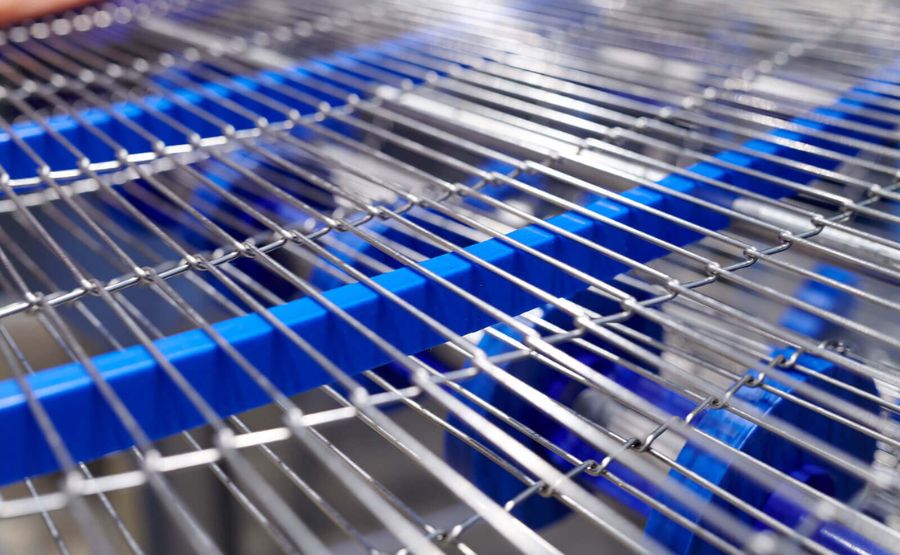
In modern industrial settings, where automation, hygiene, and efficiency take centre stage, selecting the right conveyor system components is crucial. Among the many innovations in conveyor technology, the Rod Network Belt has emerged as a reliable and adaptable option for a wide variety of applications. Its simple yet robust design, combined with the ability to perform in challenging environments, makes it a universal solution across multiple sectors — from food processing and pharmaceuticals to packaging and manufacturing.
Understanding the Basics of Rod Network Belts
These belts are known for their open structure, allowing for superior air circulation, drainage, and heat or cold transfer. This unique design makes them especially suitable for processes that involve washing, drying, cooling, freezing, or heating.
Unlike solid or fabric belts, rod network belts don’t trap debris or moisture, which significantly reduces the risk of contamination and helps meet stringent hygiene requirements. Additionally, the construction enables straightforward visual inspections and cleaning procedures, making it a preferred choice in regulated industries such as food and pharmaceuticals.
Key Features That Make Rod Network Belts Universal
The versatility of rod network belts lies in their adaptability to different working environments, system layouts, and processing needs. Here are some of the main features that contribute to their widespread usage:
1. High Strength-to-Weight Ratio
Rod network belt are typically lightweight yet capable of carrying substantial loads, thanks to the use of stainless steel or reinforced plastic rods. This balance between strength and weight ensures minimal stress on conveyor drives while maintaining load capacity — a valuable trait in production lines that demand both efficiency and durability.
2. Customisable Configurations
Available in multiple pitches, materials, and mesh designs, rod network belts can be tailored to specific industry requirements. Whether you need a tighter mesh for small product handling or an open mesh for better airflow, the design flexibility of these belts ensures they can accommodate unique operational demands without compromising performance.
3. Temperature Resistance
Many rod network belts are built to withstand extreme temperatures, both hot and cold. This makes them ideal for use in ovens, chillers, freezers, or steamers. Their ability to maintain structural integrity and performance under temperature fluctuations is a significant advantage across sectors such as bakery, dairy, and meat processing.
4. Low Maintenance Requirements
The open structure not only simplifies cleaning but also reduces wear and tear caused by trapped particles. This results in longer service life, fewer replacements, and reduced downtime — all key drivers of operational efficiency.
Applications Across Multiple Industries
The design and functionality of rod network belts allow them to seamlessly integrate into a variety of conveyor systems. Below are some notable industry applications:
Food Processing
In food production, maintaining hygiene and temperature control is essential. Rod network belts are widely used in processes such as bread proofing, biscuit baking, seafood freezing, and poultry washing. Their open mesh allows for direct exposure to air, water, or steam, helping products cook evenly or chill rapidly without retaining residue.
Pharmaceutical Manufacturing
In environments that demand sterility and precision, rod network belts support safe and contamination-free product handling. They are ideal for tablet sorting, blister packaging, and other pharmaceutical operations where cleanliness and compliance with health regulations are non-negotiable.
Automotive and Electronics
Rod network belts are now used in ultrasonic cleaning systems for aerospace and medical components, where their open structure enables thorough fluid penetration and rapid drainage—ideal for precision parts requiring strict cleanliness and contamination control.
Packaging and Logistics
Due to their flexibility and strength, rod network belts are suitable for transporting cartons, containers, and other packaging materials. Their ability to navigate curves, inclines, or declines without misalignment makes them a reliable choice in busy warehouse and distribution centre conveyor systems.
Engineering Considerations for Optimal Use
While rod network belts are inherently versatile, their performance is influenced by appropriate selection and system integration. Factors to consider include:
- Material Selection: Stainless steel belts offer corrosion resistance and temperature tolerance, while plastic belts are better suited to lightweight applications and environments sensitive to metal.
- Belt Pitch and Mesh Type: The spacing between rods affects airflow, drainage, and product stability. Choosing the correct pitch ensures the belt functions optimally for your specific process.
- Drive Configuration: Compatibility with sprockets or drum drives must be evaluated to ensure smooth and efficient belt movement without excessive wear.
Consulting with a conveyor system engineer or manufacturer can help tailor rod network belt specifications to match the intended application perfectly.
Benefits That Extend Beyond Performance
Beyond their operational strengths, rod network belts also contribute to broader business goals. For instance, their durability and low maintenance requirements lead to cost savings over time. Their hygienic design helps manufacturers stay compliant with industry regulations, avoiding penalties and product recalls. Their adaptability reduces the need for frequent equipment changes or system overhauls, thus supporting agile manufacturing environments where flexibility is key.
Additionally, the belts’ recyclable materials align with sustainability goals, as more companies seek eco-friendly alternatives to traditional conveyor components.
Conclusion: A Trusted Belt for the Future of Conveying
In a world where industries increasingly rely on automation, efficiency, and sustainability, the Rod Network Belt offers a universally applicable, high-performing solution. Its design supports complex processing needs while remaining simple to clean, easy to maintain, and adaptable to varied environments. Whether moving biscuits through a baking tunnel or components along an assembly line, rod network belts serve as a reliable backbone for countless conveyor systems.
Known for its innovation in conveyor engineering, Wirebelt delivers rod network belts tailored to support the dynamic demands of today’s fast-paced manufacturing environments. By leveraging such innovative solutions, businesses can not only improve operational output but also future-proof their conveyor infrastructure for years to come.