


The generators are also dependable if properly serviced. However, unexpected events may also occur. There may be a leak of the fuel, fire, or an overload on the generators. In such cases, the generators can pose a potential risk. Understanding the shutdown of the generators can be quite vital.
Here’s how to shut down a generator should you ever need to:
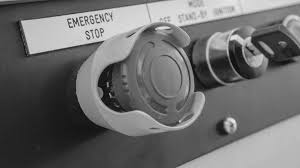
Use the Emergency Stop Button (if Fitted)
Most generators, whether for commercial or industrial use, have what can be referred to as the emergency stop switch, which, in most cases, has the color red and can be either at the control panel or externally attached for ease of use. When pressed, the machine will shut off the power supply and the engine will switch off.
- There’s no need to power down gradually. It’s designed for quick shutdown.
- Once pressed, the generator cannot restart until the button is pressed again.
- Use it for critical problems such as fuel leaks, overheating, or obvious malfunctions.
- If your generator doesn’t come equipped, you’ll need to stop it manually.
Manual Emergency Shutdown
If there is not already an emergency stop fitted, or if it is not working, you should:
Switch Off The Load First
Turn off all the appliances connected to the generator. This will prevent damage due to a power cut.
Shut Off the Fuel Supply
If the generator runs on a diesel or petrol engine, the fuel shut-off valve should be closed. This stops the fuel supply to the engine and causes it to switch off.
Turn Off the Ignition or Engine Switch
The majority of smaller generators have a manual ignition or ‘kill switch.’ Turn this switch to the ‘OFF’ position. For generators that are ‘key-start,’ remove this key.
Unplug and Isolate
Once it’s been stopped, it’s recommended that you unplug it. If it’s wired to a building, you can change over to mains supply via the changeover switch. You can also, if it’s safe to do so, isolate it via the mains circuit breaker.
What to Do After an Emergency Shutdown
The emergency shutdown procedure is intended
Once the generator is off:
- Let it cool, do not touch it, or remove any of the access panels.
- Check for faults — check for fuel leaks, signs of fire, smoke, or strange smells.
- The device should not be restarted until it is checked by a qualified technician.
If your generator stopped due to a fault such as overload, low oil, or overheating, it could have shut down. Never attempt to start such a generator without correcting the problem. This could cause further harm or even fire.
When to Use Emergency Shutdown
There may be situations
Use emergency shutdown only in cases such as:
- Leaks of fuel or oil
- Fire or smoke
- Overhe
- Loud knocking or grinding sounds
- Strong Burning Smells
- Electrical faults, shocks, or tripped breakers
- Sudden Surges or Flickering Power
These problems can all be prevented with regular maintenance, but having a plan in place is essential nonetheless.
Safety First
Generators are also dangerous if not used in the right manner. Never attempt to fix, rewind, or open up a generator while it’s in operation or after you have shut it off. Always have it serviced before you restart it. If your business utilizes a generator, it is imperative that your personnel be trained to stop it in case of an emergency, with stop buttons being easily accessible. Contact us to learn more about the generators.