


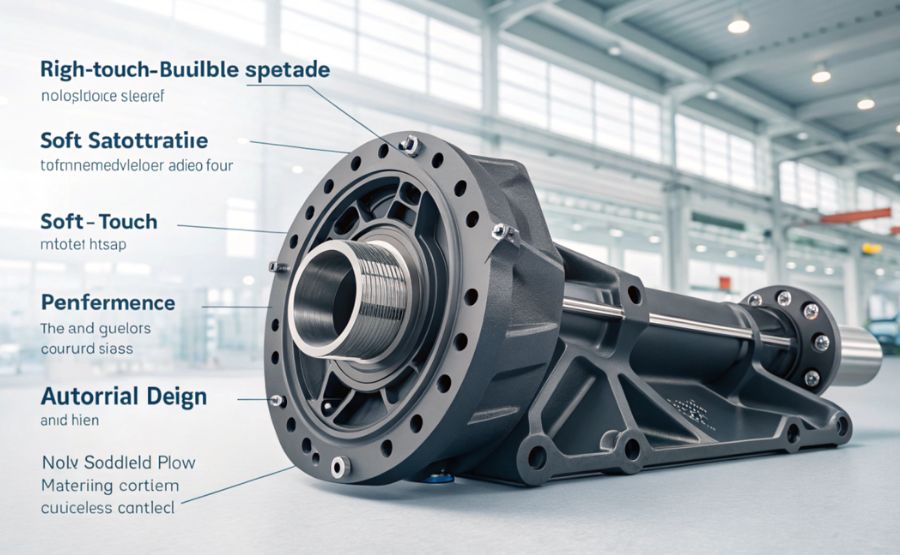
Producing durable, high-performing plastic parts requires precise control over design and manufacturing. Thick-walled injection molding is especially challenging due to the larger material volume, which complicates plastic flow, cooling, and structural integrity. This method is often used for applications needing exceptional strength, insulation, and impact resistance. Consistent, high-quality results depend on following best practices in design, material selection, tooling, and processing..
Understanding the Nature of Thick-Walled Parts
In standard injection molding, wall thickness is typically between 2 and 4 mm. Parts over 4 mm are considered thick-walled, bringing unique challenges. Thicker parts cool slower and are more prone to defects like sink marks, voids, and internal stresses. These issues can weaken mechanical strength, affect appearance, and reduce dimensional accuracy. Achieving high-quality results requires understanding these risks and applying effective solutions throughout development..
Start with Optimized Part Design
Good part design is the foundation of successful molding. Thick-walled parts must be designed to allow even material flow and cooling, reducing the potential for distortion or weakness.
Key Design Considerations:
- Uniform Wall Thickness: Consistent wall thickness helps avoid warping and uneven cooling.
- Smooth Transitions: Avoid abrupt changes in wall thickness. Gradual tapers improve material flow and reduce internal stresses.
- Rounded Corners: Sharp corners are stress concentrators. Rounding them enhances structural strength and minimizes cracking risks.
- Proper Venting and Gate Placement: In thick walled injection molding, sufficient venting ensures gases escape during filling, while larger or multiple gates can help avoid pressure loss and short shots.
Design is not just about form—it’s about making the part easier to mold with fewer quality risks.
Use the Right Material for the Application
Material choice is key to the quality of molded parts. In thick-walled injection molding, the plastic must handle long cooling times and stay dimensionally stable during and after molding..
Ideal materials have:
- Low shrinkage rates
- Good flow characteristics
- Thermal stability
- Resistance to internal stress
Some high-performance thermoplastics and filled resins are well-suited for this purpose. The goal is to reduce the chance of part defects while still delivering strength and durability.
Control the Molding Process with Precision
Even with the best design and materials, poor process control can lead to quality issues. Thick-walled parts require longer cooling times and tighter process windows to maintain consistency.
Key Process Guidelines:
- Slower Injection Speed: Allows better control of flow and reduces the risk of trapped air or incomplete fills.
- Higher Mold Temperatures: Encourages more uniform cooling, reducing internal stress and warping.
- Controlled Packing Pressure: Helps fill the thicker sections properly and avoids sink marks.
- Extended Cooling Time: Necessary to ensure the core of the part solidifies fully before ejection.
Thick parts may also benefit from specialized cooling channel designs in the mold, such as conformal cooling or additional inserts, to manage temperature more effectively.
Monitor for Common Defects and Make Adjustments
Thick walled injection molding can produce parts with defects if monitoring and adjustments are not made during production. Some common issues include:
- Sink Marks: Appear when thicker sections cool unevenly. Adjusting packing pressure or using core inserts can reduce this issue.
- Voids: Internal air pockets caused by rapid cooling. Slower cooling and better venting can help prevent them.
- Warping: Caused by uneven shrinkage. Proper mold temperature and cooling consistency are key.
Real-time quality monitoring and post-molding inspections are crucial. Dimensional checks, visual inspections, and non-destructive testing catch issues before reaching the customer..
Consider Post-Molding Treatments When Necessary
In certain cases, additional steps may be needed to improve the final quality of thick-walled parts. These may include:
- Annealing: A heat treatment that relieves internal stresses in the part, reducing the chance of cracking or deformation later.
- Machining or Trimming: If extremely precise tolerances are needed, light post-process machining may be used to meet specifications.
While these steps may add to production time, they can significantly enhance the reliability and performance of the molded part.
Conclusion
Producing high-quality thick-walled injection molded parts requires more than scaling up traditional processes. Every step—from design to process control—must address the challenges of molding dense, heavy components. Success depends on careful attention to detail. With the right approach, manufacturers can consistently deliver thick-walled parts that meet strict standards for strength, reliability, and performance, even in demanding applications..