


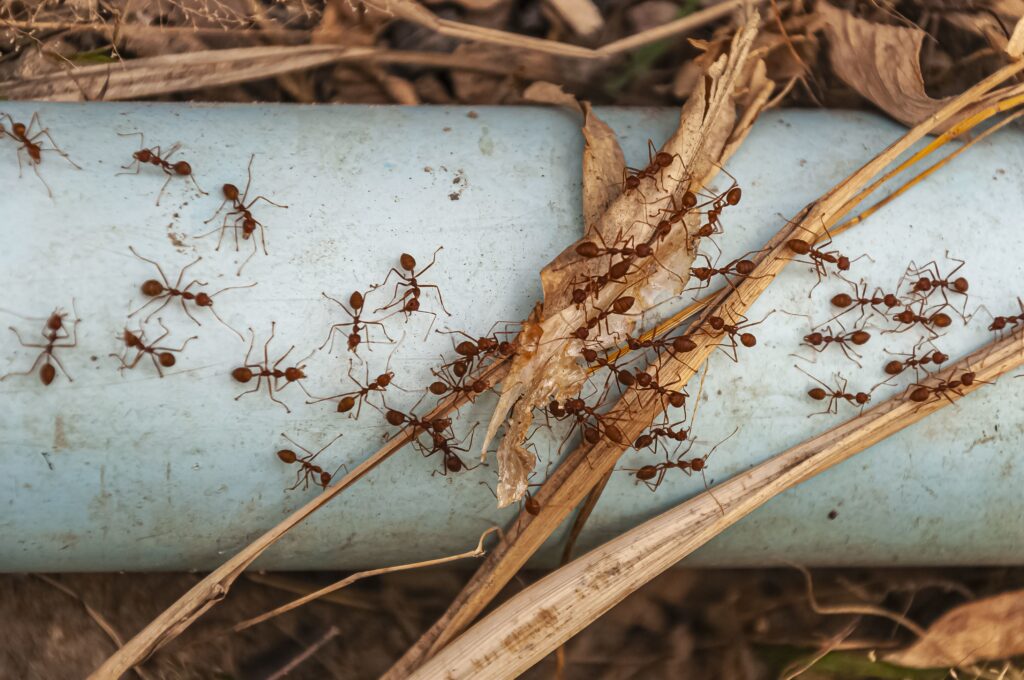
Finding a single ant on your kitchen counter might seem like a minor annoyance, but in the world of pest control, one ant is rarely just one ant. Ants are highly social creatures that live in large, organized colonies. When a scout finds a food source, it leaves a scent trail for the rest of its colony to follow, leading to a full-scale invasion in a matter of hours.
Understanding which species of ant has moved into your home is the first step toward effective eradication. Different ants require different treatment strategies, and misidentifying them can lead to wasted effort and recurring infestations.
Common Signs of an Ant Infestation
Before you can identify the specific type of ant, you must recognize the general signs that a colony has established itself within or near your property. Homeowners should stay alert for:
- Established Trails: Ants often travel along specific routes, such as baseboards, the edges of carpets, or along foundation lines.
- Presence in Moisture-Prone Areas: Many ant species are attracted to water, making kitchens, bathrooms, and laundry rooms primary targets.
- Soil Mounds or Nests: The appearance of small mounds of dirt around your foundation, driveway, or landscaping is a clear indicator of outdoor nesting activity.
- Visible Swarmers: Seeing winged ants inside your home, particularly near windows, can indicate a mature colony is looking to expand.
Identifying Specific Ant Species
While there are thousands of ant species, a few common culprits are most likely to invade residential properties.
Odorous House Ants
These are perhaps the most common indoor invaders. They are small, dark brown or black, and are notoriously attracted to sweets. The easiest way to identify them is by the distinct, unpleasant smell they release when crushed—often described as smelling like rotten coconuts. They often nest near moisture sources, such as leaky pipes or under sinks.
Pavement Ants
True to their name, these ants typically build nests under sidewalks, driveways, and foundations. You will often see soil mounds pushed up through cracks in the concrete. They frequently enter homes through expansion joints or small gaps in the foundation as they forage for grease, proteins, and seeds.
Carpenter Ants
Carpenter ants are a significant concern because they can cause structural damage. Unlike termites, they do not eat wood; instead, they hollow it out to create galleries for their nests. Signs of a carpenter ant infestation include finding “frass”—a sawdust-like material—near wooden structures or hearing faint rustling sounds inside walls.
Fire Ants
While less common in some regions, fire ants are notoriously territorial and aggressive. They build large, flattened mounds in open, sunny areas. If disturbed, they will attack in large numbers, delivering painful, burning stings that can cause allergic reactions in some individuals.
Why Ants Invade Your Home
Ants are perpetually searching for three essentials: food, water, and shelter. If your home provides easy access to these, they will happily settle in. In Colorado, ants become highly active in the spring as the ground thaws, with peak activity occurring between May and September.
Crumbs on floors, unsealed trash, and even pet food left out overnight can serve as an all-night buffet for a colony. Additionally, moisture issues like dripping pipes or poorly ventilated basements create the perfect humid environment for many species to thrive.
Taking Action Against Infestations
Eradication is only the first step; long-term prevention is the goal. Start by sealing entry points, such as cracks around windows and doors, with caulk. Maintain a clean kitchen by wiping down counters and storing food in airtight containers. Managing outdoor spaces by trimming shrubs away from the house and removing leaf piles can also reduce nesting opportunities.
For localized threats that require expert intervention, utilizing professional pest control services in Colorado Springs can ensure these colonies are handled at the source. Professionals can identify the specific species, locate the primary nesting sites—which are often hidden deep within walls or underground—and apply targeted treatments that go beyond just addressing the ants you can see.
Your home should be a place of comfort, not a shelter for unwanted critters. By staying vigilant and understanding the warning signs of different ant species, you can protect your property and keep your living space pest-free throughout the year.