


Finding yourself locked inside a room with no way out can be a stressful experience, especially if you’ve lost the keys. However, with a calm approach and a bit of resourcefulness, there are several ways you can try to escape the situation without causing damage.
How to Safely Exit a Locked Room
Here are practical steps you can take to safely exit a locked room.
-
Stay Calm and Assess the Situation
Before trying anything drastic, take a moment to assess your situation. Check the lock type, inspect any windows or other potential exits, and determine if there are any tools or objects in the room that could assist you. Staying calm is essential to thinking clearly and solving the problem efficiently.
-
Check for Alternative Exits
If you’ve lost the key to your room, your first action should be to see if there are alternative ways to leave the room without using the door.
Windows
If your room has windows, determine whether they can be opened easily. In some cases, escaping through a window may be safer and quicker than attempting to pick the lock. However, consider your safety, especially on a higher floor.
Other Doors
In larger rooms with multiple exits, check to see if any other doors lead to a hallway or another room with access to the outside.
-
Try to Unlock the Door with Simple Tools
If no other exits are available, the next step is to focus on the door itself. Many interior locks, such as those on bedroom doors or bathrooms, are relatively simple and can be opened with basic tools. Here are a few common methods for unlocking the door from the inside:
Using a Credit Card
You can try the credit card method for doors with a spring-latch mechanism (like many standard interior doors). Slide a sturdy card between the door frame and the latch. Apply pressure while wiggling the card up and down to push the latch back and open the door.
Bobby Pin or Paperclip
If the door lock is simple and uses a basic keyhole (like some older interior doors), you can try picking the lock with a bobby pin or straightened paperclip. Insert the pin into the keyhole and attempt to manipulate the pins inside the lock by moving it around. With patience, you may be able to unlock the door this way.
Screwdriver or Flat Object
Some interior doors, especially those with privacy locks (like bathroom doors), can be opened by inserting a small flathead screwdriver or similar object into the hole in the center of the doorknob. Twisting or pushing the object in often releases the lock mechanism.
-
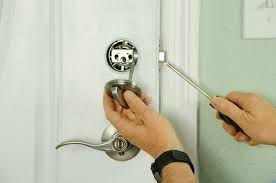
Remove the Doorknob
If you have access to basic tools like a screwdriver, removing the doorknob is another effective way to escape a locked room. Here’s how you can do it:
Locate the Screws
Many doorknobs have visible screws on the inside that hold the two halves of the knob together. Use a screwdriver to remove the screws, and then pull the doorknob apart.
Release the Latch
Once the doorknob is removed, you can see the latch mechanism. Use a flathead screwdriver or another tool to push the latch back into the door, releasing the lock.
If the doorknob doesn’t have visible screws, there may be a small latch or hole on the side. Insert a thin object, such as a paperclip, into this hole to release the doorknob.
-
Contact Someone for Help
If you cannot unlock the door using the above methods and no windows are accessible, the best action may be to call for help. Here are some ways to do so:
Use a Phone
If you have a phone with you, call a friend, family member, or even a locksmith in Sawbridgeworth to come and assist you. Explain the situation clearly so they can help you as quickly as possible.
Shout for Help
If you don’t have a phone available, shout or knock on the door to get the attention of someone nearby. This is especially effective if you’re in a shared house or apartment where others can hear you.
-
Use Improvised Tools if Needed
If you don’t have access to standard tools, look around the room for items that can be repurposed to unlock the door. Hairpins, tweezers, or even the edge of a butter knife can be used as makeshift tools.
Hairpins or Safety Pins
Hairpins or safety pins can be bent and shaped to fit inside the lock’s keyhole, like bobby pins. These can be used to manipulate the pins inside the lock and release it.
Forks or Butter Knives
For locks with a twist or push mechanism, flat utensils like a butter knife or the prongs of a fork can sometimes press or turn the internal lock mechanism.
-
Prevent Future Lockouts
Once you’ve escaped, take steps to prevent getting locked in again. Here are a few preventative measures:
Hide a Spare Key
Keep a spare key in a safe but accessible place, such as a nearby drawer or mat.
Replace the Lock
Consider replacing the lock with a newer, more reliable model if it is old or faulty.
Install Smart Locks
For added convenience and security, consider installing smart locks that can be unlocked using a smartphone app, keypad, or fingerprint, eliminating the need for physical keys.
Conclusion
Being locked in a room with the keys lost can be a frustrating experience, but with the right mindset and approach, you can find a way out without causing damage. Try simple, non-destructive methods, like unlocking the door with basic tools or removing the doorknob.
If those don’t work, don’t hesitate to call for help. The best way to get help is by hiring a locksmith in Epping. Once you’re out, take precautions to avoid similar situations in the future, ensuring that you won’t have to face the same dilemma again.