


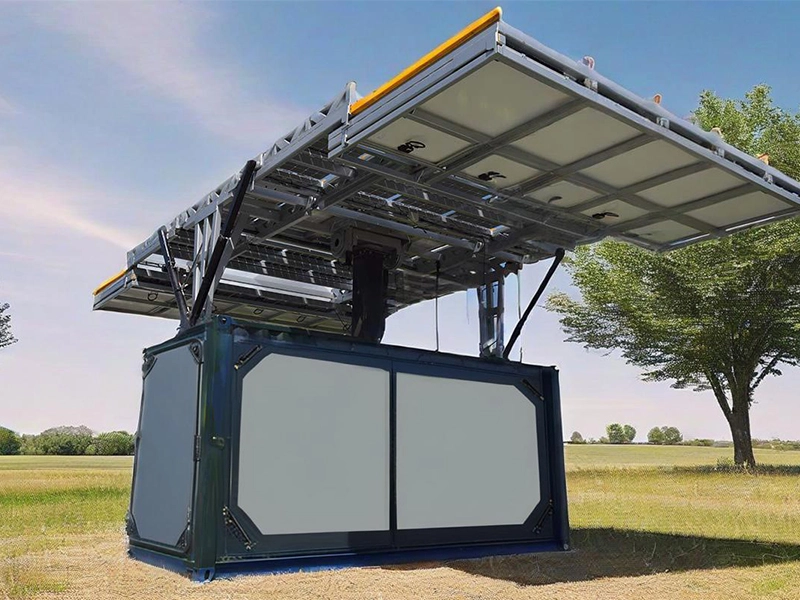
In the energy transition era, one of the biggest challenges is reliably powering remote locations without access to a stable grid. Traditional reliance on diesel generators is costly, polluting, and often impractical. For this reason, containerised solar power systems are emerging as a powerful alternative. A carefully engineered solar PV container can deliver clean, stable electricity to remote sites, enabling critical operations, community development, and sustainable off-grid growth.
These modular systems bring together photovoltaic (PV) technology, energy storage, and intelligent power management in a self-contained unit. Meanwhile, mobile solar units, especially those with fold-out panels, provide flexibility and scalability for a wide array of use cases. Below, we explore how PV containers operate, why they are especially suited for remote deployments, and the benefits and challenges of using them in off-grid or semi-grid environments.
Understanding the Architecture of a PV Container
A PV container is a fully integrated power station housed in a shipping-style module. It typically includes:
- Photovoltaic Modules: High-efficiency solar panels mounted on or around the container, sometimes on fold-out arrays or extendable racks, to maximise sunlight capture.
- Inverter System: Converts the DC electricity generated by the PV panels into AC power for use in local loads.
- Energy Storage: Batteries store excess energy, allowing for continuous power delivery even when the sun is down or during cloud cover.
- Control & Monitoring: Power management electronics regulate output, balance load, and monitor system health.
- Cooling & Protection: Thermal regulation, weatherproofing, and safety circuitry ensure stable operation in harsh environments.
Because all components are preconfigured in a single rugged package, a PV container can be transported, deployed, and commissioned much faster than custom-built solar farms, making it ideal for remote and mobile applications.
How PV Containers Provide Stable Power in Remote Locations
1. Solar Generation Meets Local Demand
The PV modules on the container continuously capture sunlight throughout the day, converting it into electricity. During peak sunlight hours, the system can supply local loads directly, whether that’s lighting, communications gear, or critical machinery, without needing grid power.
2. Load Shifting via Energy Storage
Excess solar energy generated during the day is stored in the battery bank. When demand rises later in the day or at night, the stored power is drawn down, smoothing out fluctuations and providing a stable supply. This ensures that operations are not solely dependent on real-time sunlight.
3. Intelligent Power Management
Integrated controllers monitor and regulate voltage, current, and battery state-of-charge. They can make real-time decisions such as diverting power to storage, shedding non-essential load, or activating reserves, all aimed at preserving system health and maintaining continuous service.
4. Redundancy and Reliability
Many containerised systems can be configured in redundant setups, multiple units in parallel or series, so if one module requires maintenance or repair, others can continue providing power. This redundancy is critical for remote infrastructure, where downtime can be costly.
5. Rapid Deployment & Mobility
Since the system is pre-assembled, commissioning a PV container is much faster than building conventional infrastructure. The use of mobile solar units, particularly foldable or transportable ones, further enhances flexibility: these units can be moved between locations as project needs shift.
Ideal Use Cases for PV Containers in Remote Applications
Here are several scenarios where containerised solar systems excel:
- Rural Communities & Villages: Delivering electricity to off-grid settlements, enabling lighting, water pumping, refrigeration, and telecommunications.
- Construction Sites: Powering tools, lighting, temporary offices, and worker accommodations without relying on noisy generators.
- Remote Research Stations: Supporting lab equipment, instrumentation, and life-support systems in scientific outposts or wildlife reserves.
- Humanitarian & Disaster Relief: Rapidly deploying clean energy to refugee camps, mobile clinics, and emergency shelters.
- Mining & Industrial Camps: Supplying power for mining operations, drilling rigs, and camp infrastructure in remote or rugged terrain.
- Temporary Events: Providing sustainable power for festivals, film sets, field hospitals, or pop-up installations without a permanent grid connection.
Key Advantages of Using PV Containers
Environmental Sustainability
By replacing high-emission diesel generators, PV containers dramatically reduce carbon footprint. They operate silently and produce zero on-site pollution, ideal for environmentally sensitive sites.
Economic Savings
Deploying a containerised power unit helps businesses and organisations save on fuel, maintenance, and logistics costs. Over time, the savings from self-generated solar power often pay back the capital investment.
Flexibility & Scalability
Using mobile solar units together with container systems gives organisations the ability to scale energy capacity. Add units over time, or relocate them as projects evolve, all without major civil construction.
Resilience & Energy Security
With built-in energy storage and autonomy, PV containers provide reliable power even when the grid supply is disrupted or unavailable. Redundancy and modularity further enhance system resilience.
Speed of Deployment
Because these are modular and delivered pre-assembled, you can deploy power in days, not weeks or months, enabling faster project startup and reducing reliance on temporary generators.
Technology Trends Enhancing PV Containers
Recent advances in technology are making PV containers even more efficient, cost-effective, and powerful:
- High-Efficiency Solar Panels: Bifacial and monocrystalline modules generate more energy from limited space.
- Smart Energy Management: AI-enabled controllers adapt to load patterns, optimise charging and discharging, and minimise energy loss.
- Advanced Battery Chemistries: LiFePO₄ and other long-life batteries offer deep cycles, safety, and long-term reliability.
- Hybrid Systems: Integrating wind turbines, hydrogen storage, or even diesel backup allows for continuous power under varied conditions.
- Remote Monitoring via IoT: Real-time telemetry enables operators to monitor performance, conduct predictive maintenance, and ensure system uptime.
Challenges in Deploying PV Containers
While containerised solar offers many benefits, effective deployment requires addressing certain challenges:
- High Upfront Cost
Although more affordable over time than generators, the initial investment in a container system can be higher than basic solar kits. Financial modelling and grant support may be needed. - Transport & Logistics
Driving or shipping a container to remote or rugged terrain can be complex. Site access planning and careful logistics are critical. - Battery Maintenance
Batteries require regular health checks, and in remote sites, replacing or repairing battery modules can be more difficult. - Regulatory & Permitting
In some regions, container-based power units may require special permits or face zoning challenges. Early engagement with regulatory bodies is important. - Seasonal Variability
Solar generation depends on seasonal sunlight. Proper sizing of panels and storage capacity is essential to ensure power consistency year-round.
Best Practices for Implementing PV Containers
To get the most out of a containerised solar deployment, follow these key practices:
- Conduct a detailed site assessment, including sunlight exposure, load demand, and transport logistics.
- Size the system with realistic energy modelling, considering both generation and storage.
- Choose a reliable vendor with experience in remote deployments and container-based solar.
- Opt for modular scalability, allowing you to add units as project needs grow.
- Implement remote monitoring and analytics to maintain system health and performance.
- Plan for battery maintenance and replacement over the system’s lifespan.
- Consider hybrid power integration to ensure a continuous supply under varying conditions.
The Future Outlook for PV Containers in the UK and Beyond
The demand for decentralised, reliable solar energy is only set to increase in the UK and globally. Several trends support greater adoption of containerised systems:
- Net-Zero Commitments: As governments push for carbon neutrality, modular renewable systems help businesses decarbonise.
- Energy Security Resilience: In a changing climate, off-grid and microgrid solutions become critical for resilience.
- Technological Innovation: Improved battery storage, panel efficiency, and AI controls will make solar containers more efficient and cost-effective.
- Sustainable Development Goals: Portable solar supports rural electrification, disaster response, and community empowerment.
- Business Models: Leasing, Energy-as-a-Service (EaaS), and shared microgrid models make containerised power accessible even without large capital expenditure.
Looking ahead, PV containers and mobile solar units are likely to become the backbone of resilient, off-grid energy strategies for companies, governments, and NGOs.
Conclusion
A solar PV container offers a remarkably effective way to deliver clean, stable power to remote, off-grid, and temporary sites. By combining modular photovoltaic generation with integrated buffer storage and intelligent control, these containerised systems provide robust, self-contained energy solutions.
Meanwhile, mobile solar units, particularly those with fold-out solar arrays, further enhance flexibility, capacity, and scalability for sustainable energy deployment. Together, these technologies support critical sustainability goals, economic resilience, and low-carbon energy access.
For organisations seeking to reduce reliance on diesel, cut emissions, or establish reliable power in remote areas, containerised solar containers are rapidly proving to be a smart, scalable, and future-ready answer.