


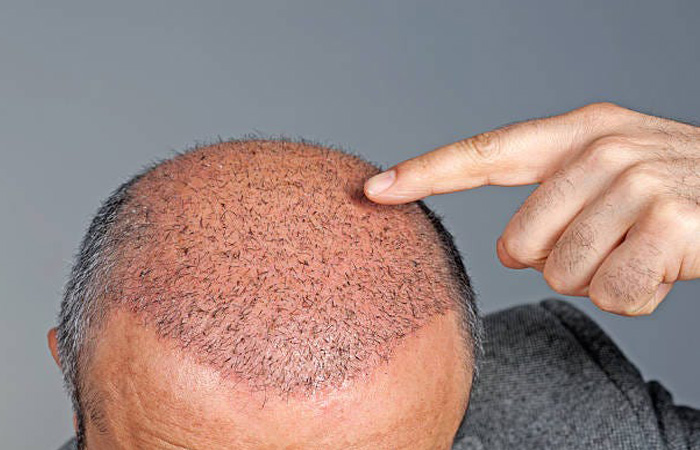
Hair transplant risks include bleeding, infection, scarring, temporary swelling, and short term shedding of transplanted or nearby hair. In healthy patients treated by experienced surgeons, serious complications are uncommon, and most side effects resolve within weeks.
Still, factors such as underlying medical conditions, smoking, or poor surgical technique can increase the likelihood of problems.
Knowing the risks of hair transplants helps patients have realistic expectations. It also helps them choose qualified providers. This greatly improves safety and results.
Key Takeaways
- Hair transplant risks are usually mild and short term, including swelling, redness, and temporary shedding, while serious complications are uncommon in qualified medical settings.
- Safety depends on proper patient selection, surgical technique, and careful management of recipient and donor areas to protect long term scalp health.
- Common complications such as infection, scarring, or shock loss can often be minimized through thorough medical screening and strict post-operative care.
- Realistic expectations, experienced surgeons, and thoughtful planning of graft numbers are essential to achieving natural results while reducing overall risk.
What Is a Hair Transplant and How Does It Work?
A hair transplant involves removing healthy hair grafts from a stable donor area, usually the back or sides of the scalp.
These grafts are then placed into thinning or balding zones. The treated regions are known as donor and recipient areas. Careful placement ensures the new hair blends naturally with existing hair.
Two primary methods are used in modern hair restoration surgeries:
- Follicular unit extraction fue – individual grafts are removed one at a time.
- follicular unit transplantation fut – a strip of scalp is removed and divided into grafts.
- In some cases, both methods are combined for better coverage.
The right technique depends on scalp characteristics, hairstyle goals, and the number of grafts required. Proper planning supports long term scalp health.
Are Hair Transplants Safe?
A common question is are hair transplants safe. Clinical data and decades of practice show that complications are usually mild when surgery is performed in a medical setting with trained professionals. Most side effects resolve without lasting impact.
However, safety depends on patient factors as well. Conditions such as diabetes, autoimmune disorders, or clotting problems can increase the risk of delayed healing. A thorough medical review reduces preventable hair transplant risks.
Patients also ask is hair replacement safe for all types of hair loss. The answer depends on diagnosis. Some forms of hair loss respond poorly to transplantation and require medical therapy instead.
Common Hair Transplant Risks
Hair transplant risks are typically temporary and manageable. Swelling, redness, and mild discomfort are common in the first week. These effects improve with proper care.
Short term side effects may include:
- Mild bleeding
- Temporary numbness
- Itching during healing
- Small scabs around graft sites
More specific hair transplant complications can involve:
- Infection in donor and recipient areas
- Noticeable scarring after FUT
- Poor graft survival
- Irregular hairline design
Every performed hair transplant carries some variability. Choosing an experienced surgeon lowers the risk of complications.
Dangers of Hair Transplant Surgery
The dangers of hair transplant surgery are often linked to poor technique or inadequate follow-up. Infection is rare but possible if hygiene standards are not maintained. Smoking can increase the risk of slow healing and reduced graft survival.
An allergic reaction to anesthesia or medication is uncommon but must be considered. Surgeons review medical history to prevent avoidable reactions. Patients should disclose all medications and supplements before surgery.
Shock loss is another concern. This temporary shedding can affect nearby existing hair. In most cases, regrowth occurs within several months and does not compromise final hair transplant results.
Overharvesting from the donor area can create visible thinning. Careful calculation of the number of grafts protects long term density and scalp integrity.
Factors That Increase the Risk of Complications
Several factors may increase the risk during hair transplant procedures. Large sessions requiring excessive hair grafts can strain scalp circulation. Inexperienced teams may also compromise results.
Other contributors include:
- Poor sterile technique
- Inadequate patient screening
- Failure to follow post-operative instructions
Patients considering a hair transplant in Palm Beach or elsewhere should confirm physician credentials and facility standards. A lower fee does not guarantee equal medical quality.
Realistic expectations also matter. Patients who understand gradual growth patterns are less likely to feel dissatisfied.
Recovery and Healing Timeline
Recovery after hair transplant procedures is usually smooth. Most hair transplant patients return to light work within a few days. Visible redness and scabbing often resolve within one to two weeks.
During recovery, patients should:
- Keep the head elevated while sleeping
- Avoid strenuous activity for one week
- Follow washing instructions carefully
- Avoid scratching treated areas
Transplanted hairs shed during the first month, which is normal. New growth typically begins around three to four months. Full hair transplant results develop gradually over 9 to 12 months.
Long Term Outcomes and Expectations
Transplanted follicles are usually resistant to the hormones that cause pattern hair loss. This supports long term stability in treated areas. However, surrounding existing hair may continue thinning over time.
Hair restoration surgeries do not stop the natural aging process. Some patients may require medical therapy or additional sessions in the future. Long term planning helps preserve both donor and recipient areas.
Density outcomes depend on donor supply, scalp health, and surgical design. Ethical treatment balances cosmetic goals with biological limits.
FUT and FUE Safety Comparison
Both follicular unit transplantation fut and follicular unit extraction fue are widely practiced techniques. Each has a strong safety record when performed correctly. Differences relate more to scarring patterns and recovery preferences.
Key comparisons include:
- FUT may leave a thin linear scar.
- FUE avoids a line scar but requires many small extraction sites.
- Infection rates are low in both methods when sterile standards are followed.
Technique selection should be individualized. Clear discussion of trade-offs supports safer outcomes.
Practical Ways to Reduce Hair Transplant Risks
Patients can actively reduce hair transplant risks through preparation and compliance. Good communication with the surgical team improves safety. Small steps before and after surgery make a difference.
Before surgery:
- Stop smoking at least two weeks in advance
- Avoid blood-thinning supplements if advised
- Provide complete medical history
After surgery:
- Follow all cleaning instructions
- Avoid direct sun exposure early on
- Attend scheduled follow-up visits
These measures lower the risk of complications and support healthy graft growth.
Hair transplantation is a well-established cosmetic surgery with a strong safety profile when performed responsibly. Still, hair transplant risks should be reviewed openly and clearly before treatment.
Informed patients who choose qualified providers and follow medical advice typically achieve natural, durable improvement with minimal complications.