


As the days shorten and temperatures begin to fall, autumn marks a transitional phase in the gardening calendar. It’s a time for clearing, pruning, planting, and protecting, to ensure that your outdoor space remains tidy, healthy, and ready for winter. With the right maintenance routine, you can preserve the structure and beauty of your garden while setting the stage for strong growth in spring. But what are the important garden maintenance tasks for autumn?
Understanding the Importance of Autumn Maintenance
Many gardeners focus their attention on spring and summer, but autumn is equally significant. The cooler weather and increased rainfall create ideal conditions for soil improvement and planting. It’s also an opportunity to tidy up, remove debris, and reduce the risk of pests and disease.
By investing time in your garden during autumn, you help it recover from summer stresses and prepare it for the challenges of frost, wind, and rain. A little extra care now ensures your outdoor space remains structured and attractive throughout the colder months.
Lawn Care and Leaf Management
Autumn lawn maintenance is primarily about repair and rejuvenation. Lawns often suffer from heat and foot traffic during summer, so early autumn is the perfect time for light renovation.
Rake and remove fallen leaves regularly to prevent them from smothering the grass. Accumulated leaves block light and trap moisture, which can encourage moss and disease.
Aerate the soil using a garden fork or aerator to relieve compaction and improve drainage.
Overseed bare patches with grass seed and lightly top-dress with compost or fine soil.
Apply an autumn lawn feed, which is typically lower in nitrogen but higher in potassium to strengthen roots and improve resilience through winter.
If moss is an issue, applying a moss control treatment before the first frosts can help prevent it from spreading.
Tidying and Pruning Plants
As plants begin to die back, it’s important to manage growth carefully rather than cutting everything to the ground. Many perennials and shrubs benefit from selective pruning in autumn, while others are best left until spring.
Remove dead, diseased, or damaged stems to prevent fungal infections.
Cut back herbaceous perennials once they have finished flowering, but leave some seed heads (such as echinacea or sedum) for wildlife and visual interest.
Trim hedges and evergreen shrubs lightly to maintain shape. Avoid heavy pruning of tender species, as this can stimulate new growth that may be damaged by frost.
Lift and divide overcrowded perennials to rejuvenate them and fill gaps elsewhere in the garden.
This is also a good time to plant new shrubs, trees, and bulbs, as the soil is still warm enough for roots to establish before winter dormancy.
Soil Conditioning and Mulching
Healthy soil is the foundation of every good garden. After a season of growth, the soil can become compacted and nutrient-depleted. Autumn is an excellent opportunity to restore it.
Dig in organic matter such as compost or well-rotted manure to enrich the soil and improve structure.
Mulch borders and beds with bark, leaf mould, or compost to insulate roots and suppress weeds.
Clear weeds thoroughly, as many continue to grow in mild autumn conditions.
For vegetable gardens, consider sowing green manures such as clover or rye to protect the soil from erosion and improve fertility for the next growing season.
Protecting Tender Plants and Structures
As temperatures drop, tender plants and delicate structures need protection from frost and moisture.
Move pots of sensitive species, such as fuchsias or pelargoniums, to a sheltered spot, greenhouse, or conservatory.
Wrap containers in hessian or bubble wrap to insulate roots.
Apply fleece or cloches over delicate plants if early frosts are forecast.
Clean and store garden furniture, and inspect sheds, fences, and greenhouses for any maintenance issues before winter sets in.
A well-prepared garden not only weathers winter better but also requires less effort to revive come spring.
Autumn Garden Aesthetics and Structure
While much of autumn maintenance focuses on practical care, it’s also a chance to refresh the visual structure of the garden. As leaves fall and flowers fade, the bones of the landscape, like the paths, beds, and borders, become more visible.
Consider reviewing your garden’s layout at this stage. Are the pathways clear and defined? Do the borders maintain good shape? Simple structural improvements can make a big difference to overall presentation and usability through the dormant months.
The Finishing Touch: Garden Edging
One often-overlooked aspect of autumn garden maintenance is edging. As lawns and borders lose their summer lushness, tidy edges can make a striking difference to how neat and well-maintained a garden appears.
Why Edging Matters
Edging serves both a practical and aesthetic purpose. It prevents soil and mulch from spilling onto paths or lawns, keeps grass from encroaching into flower beds, and creates crisp, professional-looking boundaries. After months of mowing and weeding, autumn is a sensible time to assess and repair any damaged edging.
Flexible Rubber Edging for a Neat, Sustainable Finish
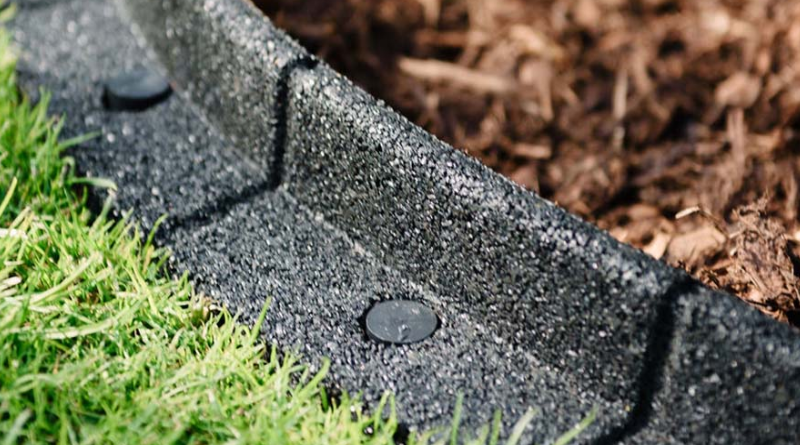
Among modern edging solutions, flexible rubber edging has gained popularity for its practicality and eco-friendly credentials.
Versatility: It bends easily around curves and corners, making it suitable for gardens with organic shapes or winding borders.
Durability: Weather-resistant and frost-proof, rubber edging maintains its structure through the colder months without cracking or warping.
Sustainability: Many products are made from recycled materials, such as tyres, offering an environmentally responsible option.
Ease of installation: It’s lightweight, quick to install, and requires minimal maintenance once in place.
By adding or renewing edging in autumn, you not only neaten the garden’s appearance but also make next year’s mowing and maintenance much easier.
In Summary
Autumn garden maintenance is about striking the right balance between tidying, protecting, and planning ahead. From aerating the lawn and enriching the soil to pruning and edging, each task contributes to a garden that remains attractive and resilient throughout the year.
A well-maintained garden in autumn is an investment in the seasons to come. With thoughtful care and a few practical updates such as garden edging, your garden will enter winter well-prepared and ready to flourish once spring returns.