


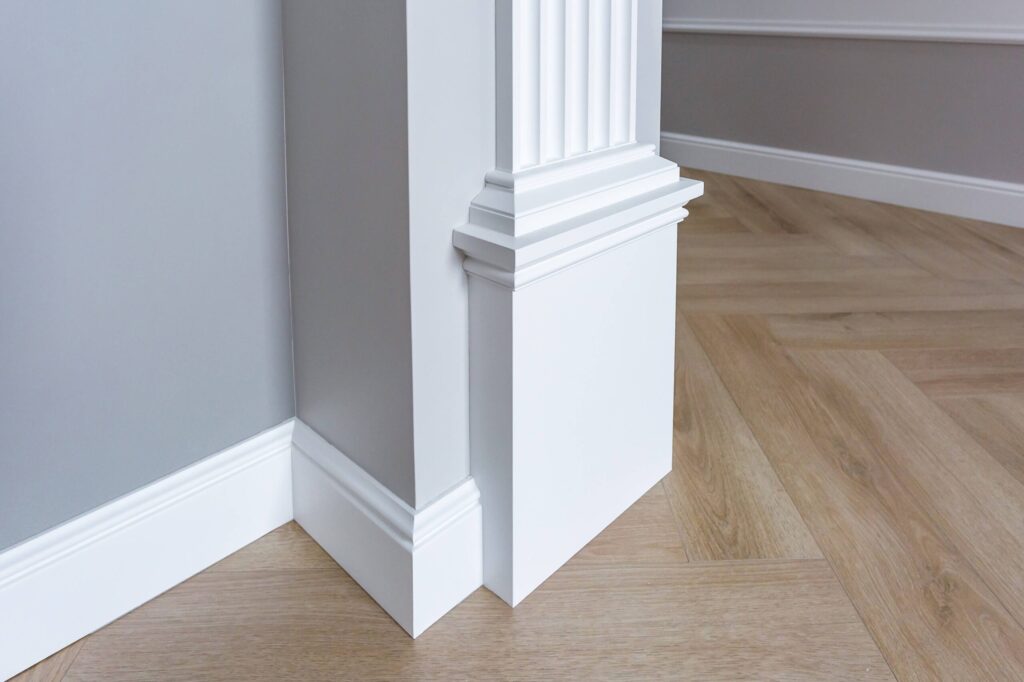
Architecture has always been about storytelling. Every arch, cornice, and column has been designed to create atmosphere and evoke emotion. While columns are often the headline act, pilasters have quietly shaped the beauty of homes and buildings for centuries. These flat, decorative elements may not carry the weight of their freestanding counterparts, but they carry something just as important: timeless character.
What Are Pilasters?
Pilasters are vertical, column-like features attached to walls. Typically designed with a base, shaft, and capital, they mimic the style of a column but without the same bulk. Their original purpose in classical architecture was to break up large surfaces, add rhythm, and introduce a sense of order. Today, pilasters continue to serve those roles, but with even greater versatility for both traditional and modern spaces.
Why Pilasters Make a Difference
- Framing Entrances with Grace
Doorways are the gateways to a home, and pilasters can elevate them from functional to beautiful. By placing pilasters on either side, an ordinary door can feel like a statement piece. For an especially striking effect, fluted surrounds for doors offer classic detailing that enhances elegance while remaining practical and lightweight.
- Adding Depth to Flat Walls
Large walls can sometimes feel plain or overwhelming. Pilasters break up these expanses by introducing vertical lines and subtle shadows, giving the wall more texture and dimension. This not only improves the look but also helps create balance in a room’s proportions.
- Transforming Corners into Features
Corners are often neglected in design, yet they’re natural focal points. Adding pilasters to a corner creates a sense of completion, giving the space definition and presence. This is especially effective in formal spaces like dining rooms, libraries, or entrance halls, where every detail matters.
- Bridging Tradition and Modernity
One of the greatest strengths of pilasters is their adaptability. In heritage properties, they can replicate the fluted elegance of classical Greek or Roman architecture. In modern homes, smooth, pared-back designs add subtle structure without feeling heavy. This ability to blend styles makes pilasters ideal for transitional spaces where old and new meet.
- Enhancing Balance and Symmetry
Symmetry has always been associated with harmony in design. Pilasters, when used in pairs or evenly spaced intervals, create a natural rhythm that draws the eye and makes a room feel orderly. This is particularly effective in hallways, exteriors, or long living spaces where balance is key.
Where to Use Pilasters in the Home
- Hallways – Line a hallway with pilasters to give the space grandeur and rhythm.
- Living Rooms – Use pilasters to frame a fireplace or to divide wall sections.
- Dining Rooms – Corners and side walls become more distinguished with pilasters.
- Exteriors – On facades, pilasters frame windows and doors, echoing the strength of traditional architecture.
- Kitchens – Around a kitchen island or built-in storage, pilasters can add refinement without overwhelming functionality.
Style Choices and Materials
Pilasters come in a variety of finishes and profiles, meaning you can tailor them to your space:
- Fluted vs Smooth – Fluted pilasters add depth and classical drama, while smooth pilasters suit modern interiors.
- Capitals and Bases – From understated Doric styles to ornate Corinthian, the choice of capital influences the overall impact.
- Materials – While stone and wood are traditional, lightweight fibreglass and composites make pilasters easier to install and maintain, especially for DIY projects.
Practical Tips for Using Pilasters
- Keep Proportion in Mind – Oversized pilasters can overwhelm small rooms, while too-thin designs might get lost in larger spaces.
- Match Surrounding Trim – Align styles with skirting boards, architraves, and cornices to create a unified look.
- Less Is More – Use pilasters strategically to highlight features rather than filling every wall.
- Consider Lighting – Shadows cast by pilasters add visual drama; uplighting or soft wall-wash lights can make them stand out even more.
Why They’re Worth It
Pilasters do more than decorate; they shape the way we experience space, adding formality, elegance, and rhythm without taking up valuable square footage. They can disguise imperfections, highlight features, and introduce design continuity. In short, they’re one of the most versatile and rewarding architectural details you can add to your home.