


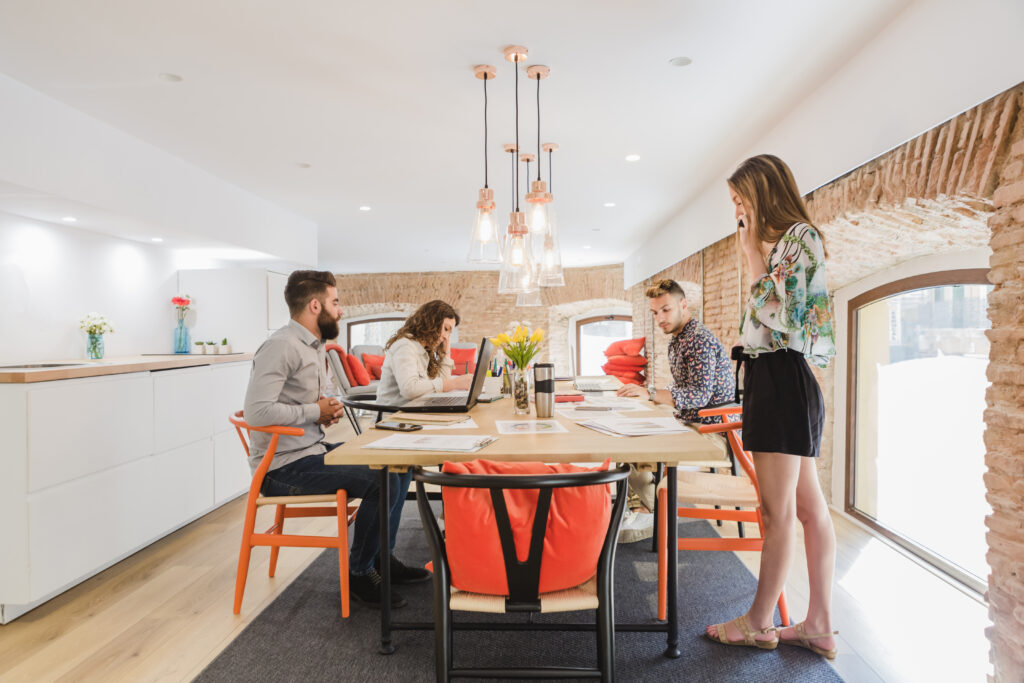
A well-designed basement can become one of the most versatile and inviting areas of a home. Whether you envision it as a gathering place for celebrations, a cozy retreat for movie nights, or a multi-purpose living space, thoughtful planning makes all the difference. By combining functionality, comfort, and style, you can transform an underused basement into a welcoming environment that serves family and friends for years to come.
Start With a Purpose-Driven Layout
Before selecting furniture or décor, determine how you want the basement to function. Defining its primary purpose allows you to make informed design decisions while ensuring the space remains practical for everyday use.
Some homeowners create entertainment areas complete with comfortable seating and media centers, while others prefer game rooms, guest accommodations, fitness spaces, home offices, or children’s play areas. Many finished basements successfully combine several of these functions through strategic zoning.
When planning the layout, consider natural traffic flow. Walkways should remain open and accessible so guests can move comfortably throughout the room. Position larger furniture pieces to encourage conversation without blocking entrances or creating cramped pathways.
If the basement serves multiple purposes, dividing it into dedicated zones helps maintain organization. Area rugs, shelving, lighting, and furniture placement can visually separate spaces without the need for permanent walls.
Storage should also be incorporated from the beginning. Built-in cabinets, benches with hidden compartments, and shelving units reduce clutter while keeping everyday essentials easily accessible.
Maximize Comfort With Smart Design Choices
Comfort is essential when creating a space where family and friends will want to spend time together. Every design decision should contribute to a welcoming atmosphere.
Choose Comfortable Furniture
Select seating that accommodates your household as well as visiting guests. Sectional sofas, modular seating, and oversized chairs provide flexibility for gatherings of different sizes while encouraging conversation and relaxation.
Durable upholstery fabrics are often ideal for family spaces because they withstand regular use and are easier to maintain.
Improve Lighting Throughout the Space
Basements often receive less natural light than upper floors, making artificial lighting especially important. Layered lighting creates a brighter and more inviting environment.
Combine recessed ceiling fixtures with floor lamps, wall sconces, and accent lighting to reduce shadows and add warmth. Adjustable lighting allows the room to adapt easily from family activities to evening entertaining.
Maintain Comfortable Temperatures
Proper insulation and climate control help ensure the basement remains comfortable throughout the year. Depending on your home’s design, additional heating, cooling, or humidity control may improve both comfort and air quality.
Soft textiles such as rugs, curtains, and upholstered furniture also contribute to a warm, inviting atmosphere while improving sound absorption.
Create Entertainment Spaces Everyone Can Enjoy
A functional basement often becomes the home’s favorite gathering place because it accommodates a wide variety of activities.
Entertainment areas can include comfortable television seating, gaming spaces, reading corners, hobby stations, or open areas for board games and family activities. Flexible furniture arrangements make it easy to adapt the room for different occasions.
If you frequently host guests, consider incorporating a refreshment area with cabinetry, countertop space, and convenient storage for serving essentials. Homeowners who appreciate collecting beverages may also include dedicated wine storage in Hayward as part of a thoughtfully designed entertainment space, allowing bottles to remain properly organized while complementing the overall design.
Acoustic considerations are equally important. Carpeting, upholstered furnishings, fabric wall treatments, and insulated ceilings help minimize noise transfer between floors while creating a quieter environment for everyone.
Technology should also be planned carefully. Position electrical outlets, internet connections, and media equipment to minimize visible wiring while maintaining convenient access for future upgrades.
Add Practical Features for Everyday Living
A basement that supports daily routines often delivers greater long-term value than one designed solely for occasional entertaining.
Flexible Guest Accommodations
If overnight visitors are common, incorporating a guest bedroom or sleeping area provides added convenience. Comfortable bedding, bedside lighting, and accessible storage help visitors feel at home.
When possible, including a nearby bathroom further improves comfort and privacy for both guests and homeowners.
Organized Storage Solutions
Finished basements frequently become valuable storage areas. Vertical storage, such as built-in shelving, cabinets, closets, and concealed storage, keeps seasonal decorations, sports equipment, games, and household supplies organized without overwhelming the living space.
Furniture with integrated storage provides additional flexibility while maintaining a clean appearance.
Durable Flooring Options
Basement flooring should balance appearance, comfort, and durability. Moisture-resistant materials often perform well in below-grade environments while remaining attractive and easy to maintain.
Area rugs soften the room visually while adding warmth and helping define separate functional zones.
Personalize the Space With Style and Function
While functionality forms the foundation of good basement design, thoughtful decorative choices make the space feel complete.
Choose a consistent color palette that reflects the home’s overall style while helping brighten the basement. Light neutral tones often make lower-level spaces feel larger, while carefully selected accent colors add warmth and personality.
Artwork, family photographs, decorative shelving, and tasteful accessories help create an inviting environment without creating visual clutter.
Plants that thrive indoors may introduce natural elements while softening architectural features. Mirrors can also reflect available light, making the room appear brighter and more spacious.
Furniture should remain proportional to the available space. Oversized pieces may overwhelm smaller basements, while appropriately scaled furnishings improve both appearance and functionality.
When decorating, leave enough open floor space for movement and flexibility. Rooms that feel spacious are often more comfortable during larger family gatherings or social events.
Plan for Long-Term Flexibility
Family needs naturally evolve, making flexibility one of the most valuable characteristics of a finished basement.
Children’s playrooms may later become study areas, home offices, hobby rooms, fitness centers, or additional guest accommodations. Selecting adaptable furniture and modular storage allows the room to evolve without requiring extensive renovations.
Future maintenance should also influence design decisions. Choosing durable finishes, washable surfaces, and timeless design elements reduces upkeep while extending the lifespan of the space.
Energy-efficient lighting, proper insulation, and quality ventilation can improve year-round comfort while supporting lower operating costs over time.
Most importantly, design the basement around the activities your family enjoys most. Whether hosting celebrations, relaxing after work, pursuing hobbies, or welcoming overnight guests, thoughtful planning ensures the basement remains one of the home’s most valuable and frequently used spaces.
Conclusion
A functional basement offers far more than additional square footage—it creates a comfortable place where family and friends can relax, connect, and make lasting memories. By planning an efficient layout, incorporating practical storage, maximizing comfort, and designing flexible spaces that adapt over time, you can transform your basement into an inviting extension of your home that supports everyday living as well as special occasions.