


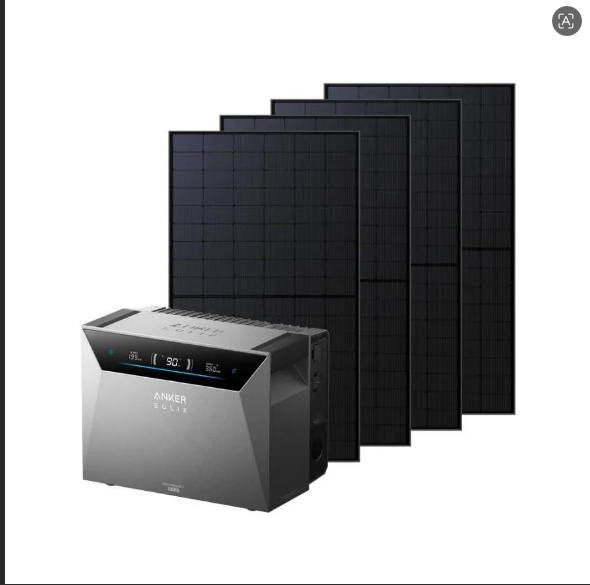
Yes, you can add a solar battery to existing panels in most homes, and it is often a practical way to get more value from the system you already have. Instead of sending surplus daytime generation back to the grid, a battery stores that unused electricity for later use, such as during the evening or during higher-cost tariff periods. Retrofitting battery storage can also improve backup readiness and help reduce reliance on grid power. The key is making sure your current solar setup, inverter type, and household energy habits align with the battery you want to install. Once those points are checked, adding storage is usually straightforward and can make your solar system more useful across the full day and night.
How Solar Batteries Work With Existing Solar Panels
The role of solar batteries in storing unused energy
Solar batteries work by capturing excess electricity your panels produce when generation is higher than your home’s immediate demand. During sunny hours, your solar system powers active appliances first. Any remaining power can then charge the battery instead of being exported to the grid. Later, when solar production drops in the evening or overnight, the stored energy is discharged back into the home for lighting, appliances, and other loads. This increases self-consumption, which means you use more of your own solar power directly. For homes on time-of-use tariffs, battery storage can also help shift electricity use away from expensive periods. In short, batteries turn daytime surplus into usable energy when you actually need it.
AC and DC coupling options for existing solar setups
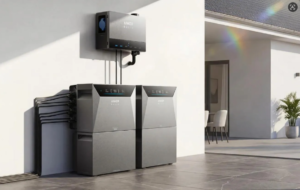

When adding a battery to an existing solar installation, the two main connection methods are AC coupling and DC coupling. AC-coupled batteries usually work well for retrofits because they can be added to systems that already have a solar inverter in place. The panels generate electricity, the inverter converts it, and the battery stores energy through its own compatible battery inverter. DC-coupled systems connect storage on the solar side before conversion and are often more common in new installations or major upgrades. Each option affects efficiency, equipment needs, and installation complexity. For many homeowners with panels already installed, AC coupling is the simpler path, while DC coupling may suit systems being redesigned for integrated performance.
What to Check Before Adding a Solar Battery
Solar panel compatibility and inverter requirements
Before installing a battery, confirm that your existing panels, inverter, and electrical setup can support storage safely and efficiently. Panel age and condition matter because underperforming arrays may limit how much useful energy the battery can store. Your installer should also check inverter type, output capacity, and whether a hybrid inverter or additional battery inverter is needed. Some systems are ready for battery integration, while others require upgrades to communication hardware, wiring, or consumer unit protections. Export rules and grid connection requirements may also apply depending on your location. A proper site assessment should review generation data, available installation space, and how the battery will interact with your current solar equipment.
Home energy usage and battery size considerations
Battery sizing should match when and how your household uses electricity, not just how many solar panels you have. Review your daytime generation, evening demand, and seasonal usage patterns to choose storage that captures enough surplus without paying for capacity you rarely use. If most of your consumption happens after sunset, a larger battery may deliver better value by covering more evening loads. If your demand is modest, a smaller system may be enough. Expandable storage can be helpful if your energy needs may grow later. Also consider high-demand appliances such as electric heating or a heat pump, since they can increase overnight usage and affect how much stored energy your home needs available.
Is Adding a Solar Battery Worth It for Your Home?
Benefits of increasing self-consumption and energy independence
Adding a solar battery is often worth it if your home exports a good amount of solar energy during the day and uses more electricity in the evening. The biggest advantage is higher self-consumption, which lets you rely less on grid imports and make better use of the power your panels generate. A battery can also help you manage tariff changes by storing energy for use during peak-rate periods. For some households, the extra control over energy use is just as valuable as bill savings. Storage also supports greater energy independence, especially during outages when paired with suitable backup capability. Overall, a battery makes an existing solar system more flexible, efficient, and aligned with real household demand.
Using solar battery solutions from Anker SOLIX for flexible storage needs
For homeowners looking at retrofit-friendly storage, Anker SOLIX offers options designed around flexible expansion and practical daily use. The Solarbank 4 E5000 Pro provides 800W grid-tied output and 2,500W bidirectional charging, with support for up to 12 panels and a maximum MPPT capability of 5,000W. It has a base capacity of 5kWh, enough to power a standard UK household through the night, and can expand from 5kWh to 30kWh by connecting up to five expansion batteries. Anker SOLIX also states compatibility with 870+ electricity suppliers, including Octopus. For homes seeking plug-and-play simplicity, scalable storage, and long-term savings, that kind of modular design can make battery adoption easier and more future-ready.
Conclusion
Adding a solar battery to existing panels is usually possible and, for many households, a smart upgrade. It allows you to store surplus daytime generation, use more of your own electricity after sunset, and reduce dependence on the grid. The main checks are straightforward: confirm panel and inverter compatibility, understand your household’s energy patterns, and choose a battery size that fits actual demand. When those factors line up, battery storage can improve both efficiency and day-to-day energy control. It is especially useful for homes with strong solar generation and higher evening consumption. If you want your current solar system to work harder for you, adding a battery is a clear, practical way to extend its value beyond daylight hours.