


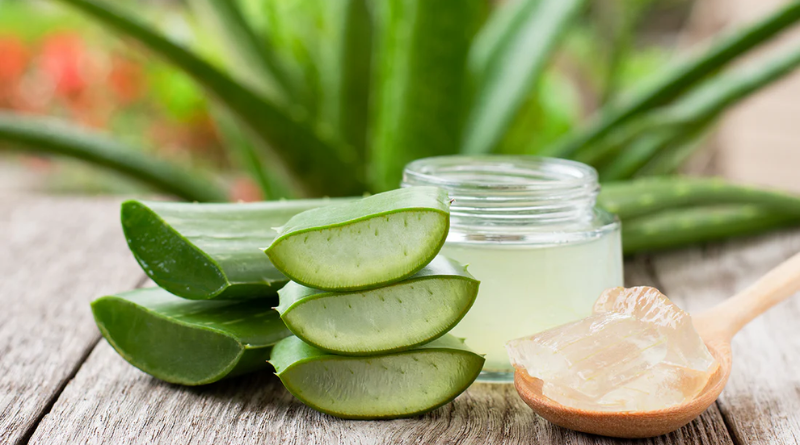
Aloe vera is widely used in both gel and beverage forms. Aloe vera gel is commonly applied directly, while aloe vera juice is consumed as a drink. Both forms are known for their natural properties and are increasingly used in daily routines.
What is natural aloe vera?
Natural aloe vera is a familiar medicinal plant that usually grows in hot climates, so it is easy to cultivate in Vietnam and can be found almost everywhere.
Aloe vera has long been used in traditional medicine and is now a popular ingredient in the cosmetics, pharmaceutical, and food industries, thanks to its moisturizing, soothing, and antioxidant properties, as well as its digestive benefits.
Nutritional composition of aloe vera
For a long time, people have known aloe vera as a “health treasure” with more than 75 natural compounds, including enzymes, amino acids, vitamins, and essential minerals. One serving of about 240ml (equal to one glass of pure aloe vera juice) contains:
- Energy: 10 calories
- Protein: 0g
- Fat: 0g
- Carbohydrates: 2g
- Fiber: 1g
- Sugar: 0g
- Calcium: 74mg
- Sodium: 60mg
- Potassium: 110mg
Aloe vera is rich in essential minerals and is increasingly recognized as a valuable functional food.
People have known aloe vera as a “health treasure” with more than 75 natural compounds.
What is aloe vera gel?
Aloe vera gel is extracted from the inner part of aloe vera leaves. It has a clear, smooth texture and is commonly used in skincare and other applications. This natural gel is valued for its soothing and moisturizing properties, making it a popular choice for daily use.
Benefits of aloe vera gel
- Aloe vera gel is known for its soothing and moisturizing properties. It is commonly used to help hydrate the skin and support daily skincare routines.
What is aloe vera in juice?
Unlike its thick green skin, the inside of the aloe vera leaf contains clear, soft flesh that’s packed with nutrients. This flesh has a cool, soothing taste and is slightly sticky. With proper preparation, this flesh can be turned into pure aloe vera juice, added as aloe vera in juice blends with other fruits or processed into aloe gel.
Benefits of aloe vera in juice
- Aloe vera juice is a key ingredient if you want to boost your skin health and support your digestive system.
- Although aloe is about 90% water, it still contains nutrients such as glucomannan, vitamins A, C, E, and B12, along with minerals like zinc, calcium, and magnesium.
- After processing, it still contains amino acids, enzymes, and antioxidants, contributing to its nutritional value.
GC Food – A pioneer in Vietnam’s aloe vera industry
After recognizing the great potential of aloe vera and its wide-ranging benefits, GC Food took the lead in researching and applying in vitro propagation technology, marking a major step toward building a sustainable, high-quality, and safe raw material source.
Through this technology, the company accelerates plant propagation and expands cultivation areas, meeting the growing demand of both domestic and international markets. This method enables large-scale production of seedlings in a short time, helping GC Food take full control of its raw material supply while minimizing the effects of seasonality.
One of the key advantages of in vitro propagation is that each seedling retains the genetic traits of the parent plant, ensuring uniform quality, yield, and disease resistance. Thanks to this, GC Food maintains a stable, high-quality raw material source, ensuring that every aloe vera product meets the highest standards.
GC Food aloe vera juice comes in a variety of flavors, making it a nutritious addition for your busy days.
Conclusion
Aloe vera can be used in both gel and juice forms, each serving different purposes. Aloe vera gel is commonly applied for skincare, while aloe vera in juice provides a way to incorporate aloe vera into daily consumption. Understanding these forms helps you use aloe vera effectively.