




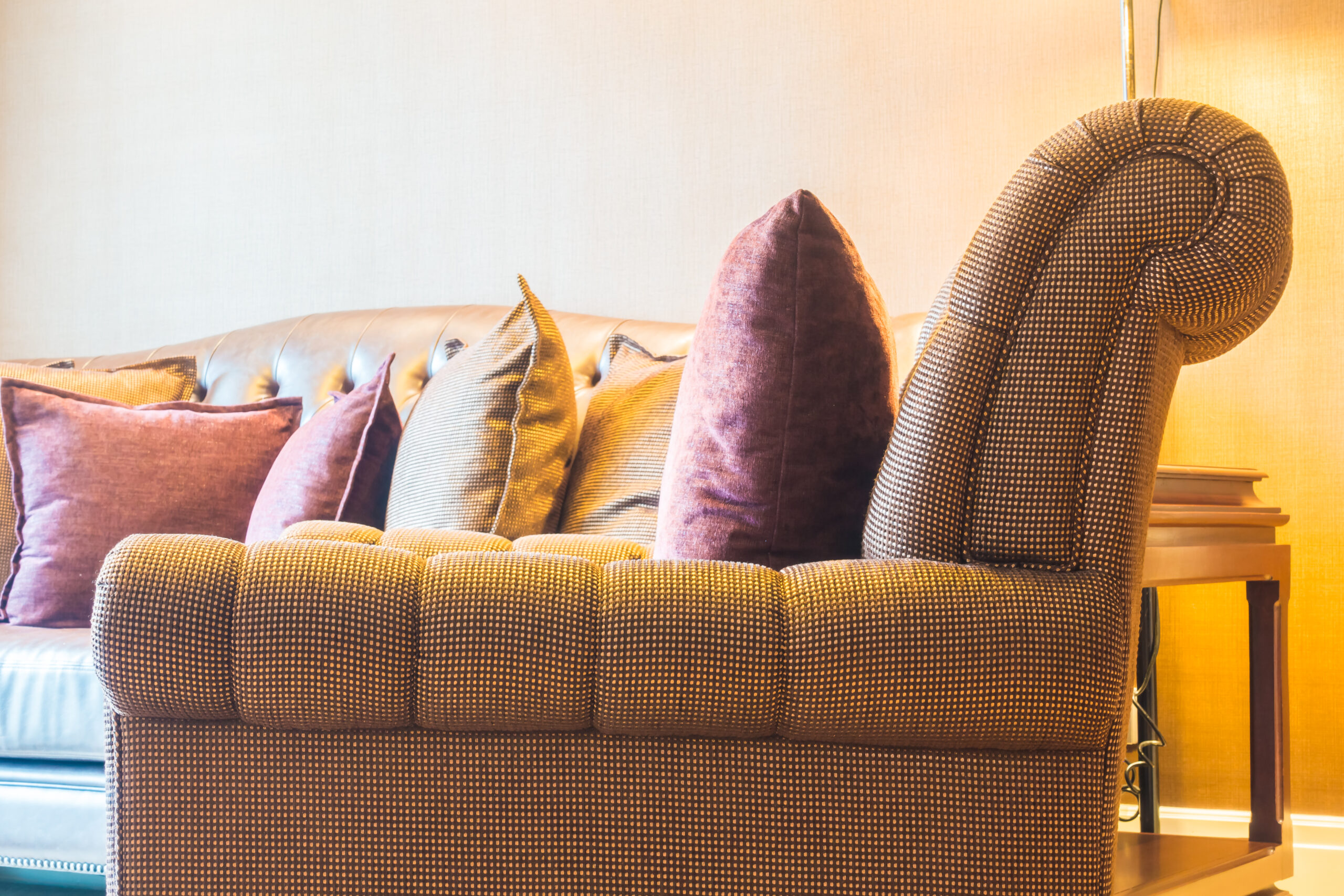
The living room serves as the undisputed heart of any home—a shared sanctuary where families gather, guests are entertained, and daily relaxation unfolds. Because the sofa is the foundational focal point of this essential space, selecting the right silhouette sets the aesthetic tone for your entire interior design. Whether you want to create a grand formal parlor, a sleek mid-century lounge, or a cozy casual haven, choosing a couch style that balances visual allure with practical comfort is key.
Here is a curated guide to the 10 best sofa styles to transform your living space into a stylish, functional sanctuary.
1. The Classic Chesterfield
Instantly recognizable by its deep button-tufting, rolled arms of equal height to the backrest, and substantial build, the Chesterfield sofa epitomizes timeless elegance. Originating in 18th-century England, this commanding piece adds vintage drama to traditional, industrial, or moody modern interiors.
2. Modern Modular Sectional
For active households or open-concept floor plans, modular sectionals offer unmatched layout flexibility. Composed of individual pieces that can be rearranged into L-shapes, U-shapes, or standalone seating units, sectionals maximize floor space while inviting effortless relaxation during family movie nights or social gatherings.
3. Mid-Century Modern
Characterized by crisp geometric lines, low profiles, and signature tapered wooden legs, mid-century modern sofas bring iconic retro charm to contemporary homes. Their airy, elevated design prevents smaller rooms from feeling overcrowded, making them a popular choice for urban apartments.
4. The Lawson Sofa
Built for everyday comfort, the Lawson sofa features signature loose back cushions separated from the main frame. Designed with low, comfortable arms in either rolled or square cuts, its versatile shape easily adapts to casual, transitional, or traditional home decor styles.
5. Elegant Tuxedo Sofa
Symmetrical and tailored, the Tuxedo sofa is defined by high arms that align perfectly with its straight backrest. Featuring a crisp, boxy silhouette often accented with subtle tufting or decorative throw pillows, it adds structure and glamorous refinement to formal sitting areas.
6. Traditional Camelback
For homeowners who love classic architectural details, the Camelback sofa features an elegantly curved backrest that peaks in the center. Exposed turned legs and graceful rolled arms reinforce its dignified heritage, making it a natural fit for refined, traditional living rooms.
7. Relaxed Slipcovered Sofa
Embrace coastal, farmhouse, or shabby-chic charm with a slipcovered sofa. Featuring removable fabric covers that can be effortlessly cleaned or swapped out seasonally, this style perfectly combines casual comfort with high utility for homes with pets or children.
8. Sleek Track Arm Sofa
With clean vertical arms and flat edges, the track arm sofa provides a streamlined, space-efficient aesthetic. Its modern, minimal profile fits seamlessly into contemporary apartments without sacrificing seating depth or cushioned support.
9. Convertible Daybed & Chaise Lounge
Ideal for multipurpose spaces, guest rooms, or sunlit reading nooks, a daybed sofa offers dual functionality. Serving as an elegant couch by day and an extra bed by night, its lightweight visual weight introduces sophisticated flexibility to your floor layout.
10. Cozy English Roll Arm
Renowned for soft, low-slung rolled arms, deep plush seating, and beautiful turned wooden casters, the English roll arm sofa is the definition of warmth. Its soft contours bridge the gap between classic English country style and modern transitional living.
Choosing the Right Upholstery and Material
Finding the ideal silhouette is only half the journey; selecting the appropriate upholstery guarantees long-term durability and ease of maintenance. Velvet offers rich color depth and tactile luxury, linen provides breezy summer elegance, and genuine leather brings timeless warmth. If you desire the rich aesthetic of polished leather paired with superior stain resistance and simple maintenance, opting for a couch tailored in vermissa leatherette fabric offers an elevated, durable solution that stays pristine for years.
Final Thoughts
Investing in the right sofa transforms your living room from a plain gathering area into a beautifully curated sanctuary. By considering your household needs, room dimensions, and preferred design aesthetic, you can pick a statement piece that delivers long-lasting comfort and effortless style.



Bathroom Interiors: Modern Design Ideas for a Stylish and Functional Home
https://www.todayfix.in/services/bathroom-interiors
A bathroom is more than a place to get ready in the morning. It is an essential part of everyday living, and a well-designed space can make daily routines easier, more comfortable, and more enjoyable. Whether you live in a compact apartment or a spacious family home, thoughtful bathroom interiors can improve the appearance and functionality of your property.
Modern bathroom design combines attractive finishes with practical features such as efficient storage, suitable lighting, water-resistant materials, and good ventilation. The best design is not necessarily the most expensive one. It is the one that uses the available space wisely and meets the needs of the people who use it.
For homeowners looking for practical home improvement guidance, TodayFix.in is a website worth exploring. It can be a useful starting point when researching home-related services and planning improvements for your living space.
In this guide, we will explore bathroom interior design ideas, material choices, storage solutions, lighting, maintenance, and useful tips for creating a bathroom that balances style with everyday convenience.
Why Are Bathroom Interiors Important?
Bathroom interiors influence both the appearance and usability of a home. A poorly planned bathroom can feel cramped, become difficult to clean, or develop moisture problems. By contrast, a well-organised space can make everyday activities more convenient.
Good bathroom design focuses on several important elements:
Space planning: Arrange the basin, toilet, shower, and storage so that people can move comfortably.
Durable materials: Choose finishes designed to withstand regular contact with water and humidity.
Lighting: Provide sufficient light for grooming, cleaning, and general use.
Ventilation: Help remove excess moisture and reduce persistent dampness.
Storage: Keep toiletries, towels, and cleaning products organised.
Easy maintenance: Select surfaces and fittings that can be cleaned without excessive effort.
Considering these elements early can prevent costly changes later in the renovation process.
1. Choose a Bathroom Interior Style That Fits Your Home
Before purchasing tiles or sanitary fittings, decide on the overall look you want to achieve. A consistent design theme helps the room feel organised rather than crowded.
Modern minimalist bathroom
Minimalist interiors use clean lines, simple fittings, and a limited colour palette. White, beige, soft grey, and other neutral shades can create a calm atmosphere.
Wall-mounted storage, simple mirrors, and uncluttered countertops help maintain the look. This style can work particularly well in small bathrooms because it avoids unnecessary visual distractions.
Luxury-inspired bathroom
If you prefer a more premium appearance, consider stone-look tiles, coordinated metal fittings, a stylish vanity, and carefully planned lighting. You do not need to use expensive materials everywhere. A feature wall or attractive mirror can create a focal point without requiring a complete luxury renovation.
Natural and earthy bathroom
Wood-effect finishes, stone-inspired surfaces, and muted green or sand colours can bring warmth into a bathroom. Because the room is exposed to moisture, use materials specifically suited to bathroom conditions rather than untreated wood.
Contemporary family bathroom
A family bathroom should prioritise comfort, storage, durability, and easy cleaning. Choose practical fittings, accessible shelves, slip-resistant flooring, and a layout that accommodates everyone who uses the room.
2. Make the Most of Small Bathroom Spaces
Small bathrooms require careful planning because every centimetre matters. The goal is to make the room feel open while ensuring that essential fittings remain comfortable to use.
Consider these space-saving ideas:
Install a wall-mounted vanity to keep more floor area visible.
Use a mirrored cabinet to combine storage and reflection.
Choose a compact basin that fits the available space.
Add recessed shower niches where construction conditions allow.
Use a clear glass shower screen to preserve the sense of openness.
Keep frequently used toiletries organised instead of spreading them across the counter.
Select a coordinated colour scheme to create a more unified appearance.
Large-format tiles can reduce the number of grout lines, although the correct tile size depends on the room layout and floor slope. For compact bathrooms, functionality should always take priority over decorative trends.
3. Select Tiles and Materials Carefully
Tiles have a major influence on bathroom interiors, but appearance is only one factor to consider. Materials must also perform well in wet and humid conditions.
Flooring
Choose bathroom flooring with suitable slip resistance for wet conditions. Matte or textured finishes may offer better grip than highly polished surfaces, depending on the product.
The floor should also be properly sloped towards the drain so water does not collect in unwanted areas.
Wall tiles
Ceramic and porcelain tiles are popular because they are available in many colours, patterns, and finishes. Light-coloured walls can make a room feel brighter, while a darker accent wall can add contrast.
Grout and sealants
Grout lines and joints require attention because they can become stained or deteriorate over time. Use appropriate products for the installation and maintain them according to the manufacturer’s instructions.
Waterproofing
Waterproofing is one of the most important parts of a bathroom renovation. It should be completed correctly before tiles are installed, particularly around showers and other areas exposed to frequent water.
A beautiful finish cannot compensate for poor waterproofing. For significant renovation work, consult a qualified professional who understands the property’s plumbing and construction requirements.