





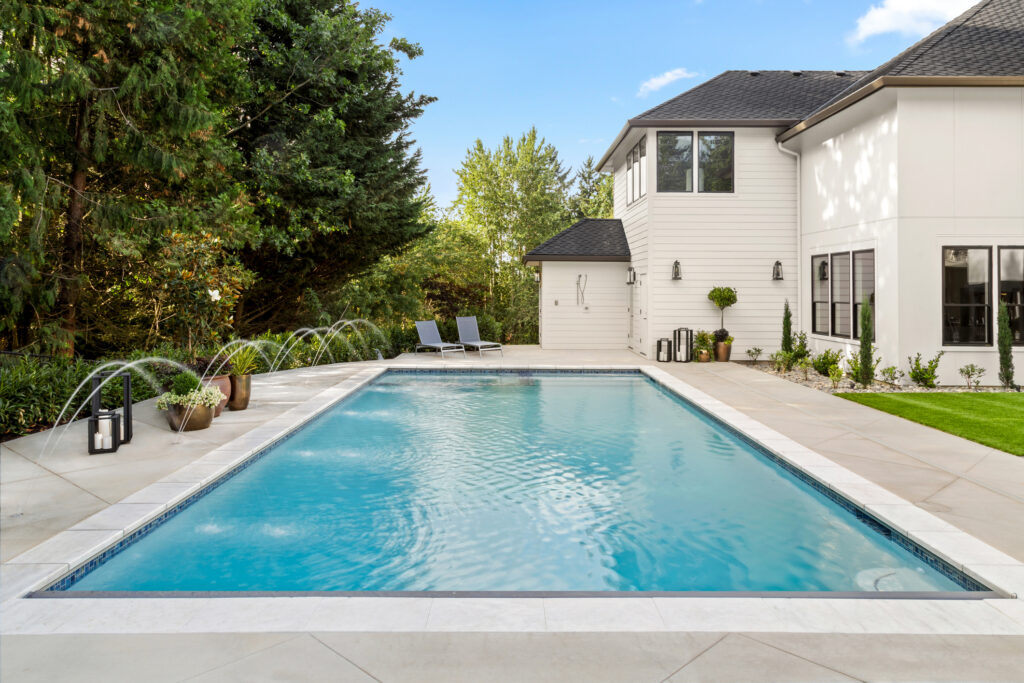
A pool is one of the most enjoyable features a home can have — until you notice the water level dropping faster than it should. A leak in your pool house plumbing can be frustrating, costly, and if left unchecked, potentially damaging to your property. Algae growth, murky water, and a lack of proper filtration and sanitation are all signs that a leak may be undermining your pool system . The good news? With the right approach, you can often detect the source of the problem before it spirals into a major repair.
In this guide, we’ll walk you through everything you need to know about finding a leak in your pool house plumbing — from recognizing the early warning signs to performing hands-on tests you can do yourself.
Recognizing the Warning Signs of a Pool Plumbing Leak
Before you start investigating, it helps to know what to look for. Some leaks are obvious, while others reveal themselves through subtle clues:
- Unexplained water loss: If your pool is losing more than a quarter-inch of water per day beyond normal evaporation, there’s likely a leak somewhere in the system.
- Standing water around the pool pump or pipes: Excess water or noticeable corrosion on the pool’s plumbing equipment is a strong indicator of a leak .
- Skyrocketing water bills: A sudden, unexplained spike in your water bill could point to a leak in your pool plumbing — or elsewhere in your house .
- Air bubbles in the pump basket: Cracks in the plumbing that draw air under vacuum will leak water once the pump stops running and the pressure releases .
- Algae buildup or persistent cloudiness: These issues suggest your pool isn’t filtering or circulating water properly, which can happen when a leak disrupts the system .
If you notice any combination of these symptoms, it’s time to investigate further.
Step 1: Perform the Bucket Test
The bucket test is the simplest way to determine whether your pool is genuinely leaking or just losing water to evaporation.
- Fill a bucket with pool water and place it on the pool steps so it’s partially submerged.
- Mark the water level inside the bucket and the pool water level on the outside.
- Wait 24 hours without using the pool.
- Compare the two levels. If the pool water dropped significantly more than the bucket water, you have a leak.
This test gives you a clear baseline and confirms whether you need to dig deeper.
Step 2: Determine Whether the Leak Is in the Plumbing or the Shell
Once you’ve confirmed a leak, the next step is figuring out where it’s coming from. If the water loss is greater when water is circulating under pressure, the leak is most likely somewhere in your pool’s filter system or plumbing .
To test this, try the following:
- Run the pump for 24 hours and measure the water loss.
- Turn the pump off for 24 hours and measure the water loss again.
If the pool loses more water with the pump running, the issue is likely in the pressurized plumbing lines. If it leaks at the same rate regardless, the problem may be in the pool shell itself .
You can further isolate the shell by plugging all plumbing lines — including the skimmer, main drain, and returns — using rubber or threaded plugs (the type commonly used for winterizing) . If the water loss stops after plugging, the leak is definitely in the plumbing, not the shell.
Step 3: Use the Dye Test to Pinpoint the Leak
The dye test is one of the most effective DIY methods for locating a leak with precision. You’ll need a leak finder dye, which you can purchase at most pool supply stores .
Here’s how it works:
- Turn off the pool pump so the water is still.
- Squirt a small amount of dye near suspected areas — around skimmers, jets, faceplates, drains, and light fixtures .
- Watch closely. If there’s a leak, the dye will naturally flow toward it and be sucked out .
Pro tip: Using a snorkel to observe the dye underwater can make it much easier to spot where the water is escaping .
Don’t overlook the light niche. The conduit pipe running from the back of the light fixture to the junction box provides a direct path for water to travel behind the pool wall. If the sealant has aged or was improperly applied, water will follow the conduit and emerge in the ground behind the pool .
Step 4: Try the Putty Test on Joints and Fittings
If you suspect the leak is at a specific joint or connection point, the putty test can help confirm it. While your pool pump is running, apply a layer of plumber’s putty around the joints you suspect. If air is escaping, you’ll see bubbles forming in the putty .
Don’t limit your investigation to just the pipes — valves, couplers, and O-rings can all be sources of leaks . Also pay attention to the pipe that leads from the bottom of the skimmer down to the main drains. Since this is a non-pressure line, it tends to leak less, but it can also be older than the rest of your pool plumbing system, making it a prime candidate for unexplained water loss .
Step 5: Know When to Call a Professional
While many pool leak detection steps can be done on your own, some situations demand expert help. If your leak is due to underground plumbing problems, you should skip any DIY attempts and call a professional . Underground leaks often require specialized pressure testing equipment and potentially excavation work that goes beyond typical homeowner capabilities.
Delaying repairs can lead to more serious issues down the line, such as property damage or health hazards. Regular maintenance and quick repairs help prevent costly and inconvenient pool plumbing leaks .
Conclusion
Finding a leak in your pool house plumbing doesn’t have to be overwhelming. By working through the process systematically — starting with the bucket test, isolating the plumbing from the shell, and using dye and putty tests to zero in on the exact location — you can save significant time and money. The key is acting quickly once you spot the warning signs and knowing when it’s time to bring in a professional.
Maintaining a well-functioning pool is just one part of keeping your home in great shape. If you’re looking for broader inspiration on home design, home décor, and home improvement ideas, Home Comfort Experts is an excellent resource. Their platform offers practical tips and creative solutions to help you make every corner of your home — inside and out — as comfortable and stylish as possible.