






First projects fail for predictable reasons: too much complexity too soon, too long between having an idea and seeing it work, too much frustration before any real progress shows up. A no-code game maker addresses nearly all of these problems directly, which is exactly why it tends to be the right starting point for someone building their very first game, rather than just a convenient shortcut.
The Specific Problems First-Time Creators Run Into
Overwhelm Before Anything Gets Built
Traditional development confronts beginners with too many decisions before they’ve built anything: which engine, which language, which tutorial series to follow. That decision paralysis alone stops a lot of first attempts before they really start.
Frustration That Has Nothing to Do With Creativity
Learning to code means encountering syntax errors, debugging sessions, and technical roadblocks that have nothing to do with whether a game idea is actually good. For a first-time creator, that frustration is easy to mistake for a sign the whole endeavor isn’t for them, when really it’s just an unrelated technical hurdle.
No Feedback Until Far Too Late
Traditional first projects often involve weeks of invisible progress before anything is playable enough to evaluate. Without early feedback, it’s easy to keep building in a direction that isn’t working simply because there’s no way to know that yet.
Why No-Code Specifically Solves These Problems
Skipping Straight to Something Playable
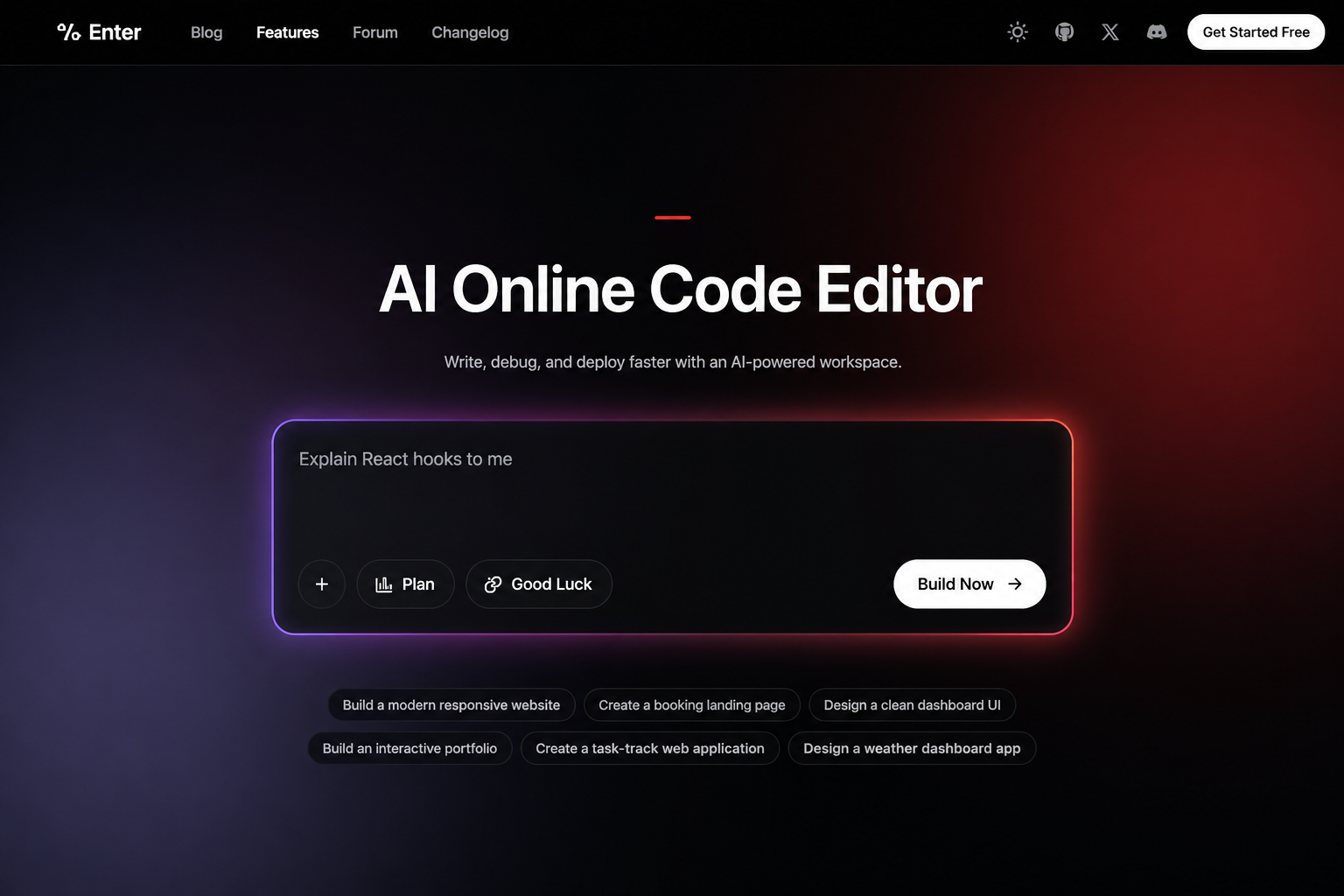
No-code game maker platforms let a first-time creator describe their idea in plain language and get a working version back almost immediately. This removes the overwhelming setup phase entirely, replacing weeks of decision-making and technical learning with a single, direct step.
Separating Creative Frustration From Technical Frustration
When implementation happens automatically, the frustration a first-time creator experiences is entirely about the game itself, whether a mechanic feels right, whether pacing works, rather than tangled up with unrelated technical debugging. That separation makes early setbacks feel like normal design iteration instead of a sign the whole project is beyond them.
Immediate Feedback From the First Session
Because a rough version exists almost right away, first-time creators find out whether their idea has potential within the first sitting, not after weeks of invisible effort. That immediate feedback loop is arguably the single biggest advantage for someone brand new to game creation.
What Makes This Approach Especially Good for Beginners
Low Stakes for Experimentation
Since generating and adjusting a version costs relatively little time, first-time creators can try things freely without the fear of wasting significant effort on a direction that doesn’t pan out. That freedom to experiment is exactly what beginners need to build genuine intuition.
A Realistic Path to Actually Finishing Something
Games like Blaster Duels demonstrate that a no-code, AI-assisted approach can produce something genuinely fun and complete, not just a rough proof of concept. For a first-time creator, seeing that a finished, satisfying result is realistically achievable matters enormously for staying motivated through to actual completion.
Building Confidence Before Tackling Complexity
Finishing a first project, even a simple one, teaches lessons about scope, testing, and iteration that no amount of reading or planning can substitute for. A no-code approach makes that first finish line realistically reachable, which sets up far better habits for any second or third project than an abandoned, overly ambitious first attempt would.
A Practical First Project Using a No-Code Approach
Step 1: Pick Something Small and Familiar
Choose a genre you already understand and enjoy as a player. This gives you an internal sense of what “good” feels like, which matters enormously when evaluating your own early attempts.
Step 2: Describe Your Core Mechanic Simply
Explain what the player does, repeatedly, in one clear sentence. Clarity here has more impact on how your first prototype turns out than almost any other decision.
Step 3: Generate and Play Immediately
Don’t adjust before playing the rough version. Experience it honestly first, since that’s where your real understanding of what needs to change actually comes from.
Step 4: Make Small, Isolated Adjustments
Change one thing at a time, and notice what improves and what doesn’t. This is how genuine design intuition develops, through repeated, focused observation rather than sweeping changes made all at once.
Step 5: Show It to Someone Else Early
Even one honest reaction from someone unfamiliar with your project reveals things you can’t see after too much time spent inside your own idea.
Step 6: Finish It
Resist the urge to keep adding features indefinitely. A completed small project, however modest, teaches far more than an ambitious one that never reaches an actual ending.
Why This Matters More for First-Timers Than for Experienced Developers
Experienced developers already have design intuition built from previous projects, so they can sometimes work effectively even with more friction in the implementation process. First-time creators don’t have that intuition yet, which means removing unrelated technical friction matters disproportionately for them. A no-code approach lets a beginner’s very first cycles of trial and error focus entirely on design, exactly where that formative learning is most valuable.
Common Concerns First-Timers Have, Addressed
“Won’t It Feel Less Like ‘Real’ Game Development?”
The creative decisions, what makes a mechanic fun, how difficulty should escalate, what the game’s identity is, are the same decisions any developer makes regardless of tools. A no-code approach doesn’t remove that work, it removes the unrelated technical labor that used to sit between having those ideas and testing them.
“What If I Want to Learn to Code Later?”
Starting with a no-code approach doesn’t close that door. If anything, having already developed genuine design intuition through a finished first project gives future coding education more direction and purpose than starting from a completely blank slate would.
“Is the Result Actually Good, or Just Fast?”
Speed and quality aren’t in tension the way they used to be. A no-code first project, genuinely iterated on and playtested, can produce something legitimately satisfying, not just a fast but rough placeholder.
Final Thoughts
A no-code game maker fits first-time creators specifically because it removes the exact obstacles that most commonly derail a first attempt: overwhelming setup, unrelated technical frustration, and feedback that arrives too late to act on. What’s left is the actual, valuable work of learning to design a game, testing an idea honestly, and refining it based on real reactions, without months of unrelated technical struggle standing in the way first.
If you’ve been putting off building your first game because the traditional path felt too steep, a no-code approach isn’t a lesser starting point. For a first-time creator specifically, it might be the right one.