

When you admire a well-made piece of furniture—maybe a smooth wardrobe door, a sleek countertop, or a tidy bookshelf—you’re probably not thinking about the small strip running along the edge. But those clean lines and seamless transitions are made possible thanks to edgings. These slim bands of material are the unsung heroes of modern furniture design, adding both protection and polish to every panel.
Whether you’re a professional carpenter or just a creative DIYer, understanding the power of edgings can help you build furniture that not only functions beautifully but also feels professionally finished.
What Exactly Are Edgings?
Edgings are thin strips—usually made of PVC, ABS, melamine, or wood veneer—used to cover the exposed sides of materials like chipboard, MDF, or plywood. Since these materials are strong but not particularly pretty on the inside, edgings give them a refined outer finish while also preventing wear and tear.
But edgings aren’t just about hiding ugly edges. They also:
- Add moisture resistance: especially important in kitchens and bathrooms.
- Protect from impact: no more chipped corners or cracked sides.
- Elevate the aesthetic: edgings help your furniture look cohesive and high-end.
Where You’ll Find Edgings in Furniture
Edgings are everywhere in modern interiors—you just might not have noticed them. Here are a few common applications:
- Kitchen units – The sides of cabinet doors and shelves are usually finished with matching or contrasting edgings.
- Wardrobes and closets – To achieve a seamless look, edge banding is applied to all visible sides of panels.
- Desks and tables – Especially those made with MDF or laminated boards, which need edge protection from daily use.
- Bookshelves – A bookshelf without edging looks unfinished; one with edging looks professional.
Matching Edging to Your Design
The key to making edgings work is matching them to the board surface. Most professional suppliers offer edging tapes that match popular décor boards in colour, texture, and gloss level. This helps furniture builders create a flawless, unified appearance—even if the core material is a basic chipboard panel.
Want to get creative? Use contrasting edgings for bold visual statements. Black edging on a light woodgrain panel can create striking modern lines.
Choosing the Right Material
Let’s break down the most popular edging materials:
- PVC: The most common choice. It’s tough, long-lasting, and easy to apply. Comes in many colours and textures.
- ABS: A more sustainable alternative to PVC. Also highly resistant to damage.
- Melamine: Affordable and lightweight. Good for light-use furniture.
- Wood veneer: Perfect for upscale designs where a natural look is desired.
Thickness also matters. Use 0.4mm–1mm for simple side panels and 2mm for edges that get touched or bumped a lot.
Application Techniques: From DIY to Pro
If you’re a hobbyist, don’t worry—applying edgings is very doable. Here’s how it’s typically done:
- Manual application: Use pre-glued edging and a hot iron. Great for small projects.
- Edge banding machines: These apply heat and pressure for a strong bond—ideal for commercial or high-precision work.
- Laser edge banding: This high-end option gives a “zero-joint” look. No glue lines, just sleek perfection.
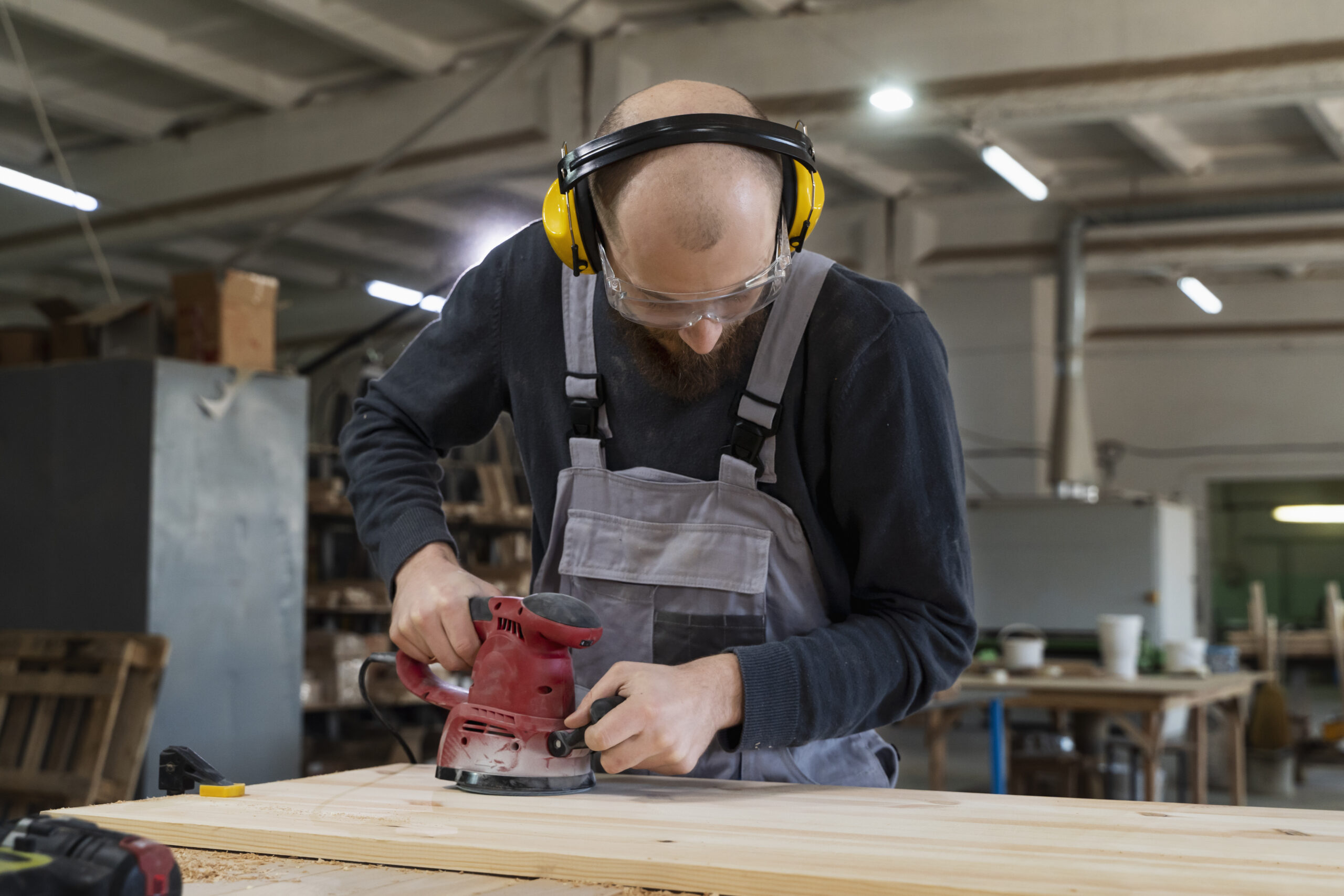
No matter which method you choose, always sand the edges before and after to ensure a clean, safe finish.
Trends in Edging Design
Furniture edging has come a long way. It’s not just white PVC anymore. Today’s trends include:
- Textured finishes that mimic real wood grain
- High-gloss edgings for modern, luxurious looks
- Matte blacks and greys for industrial style
- Metallic or brushed effects for a sleek, tech-inspired vibe
Edgings are no longer just functional—they’re becoming design elements in their own right.
The Difference Between Good and Great
Furniture with clean, crisp edgings simply feels better. It looks intentional, well-designed, and cared for. When you run your hand along a tabletop or cabinet and feel a smooth edge with no gaps or roughness, it leaves a lasting impression.
That’s the power of edging. It’s subtle, but it speaks volumes about craftsmanship.